
Overview
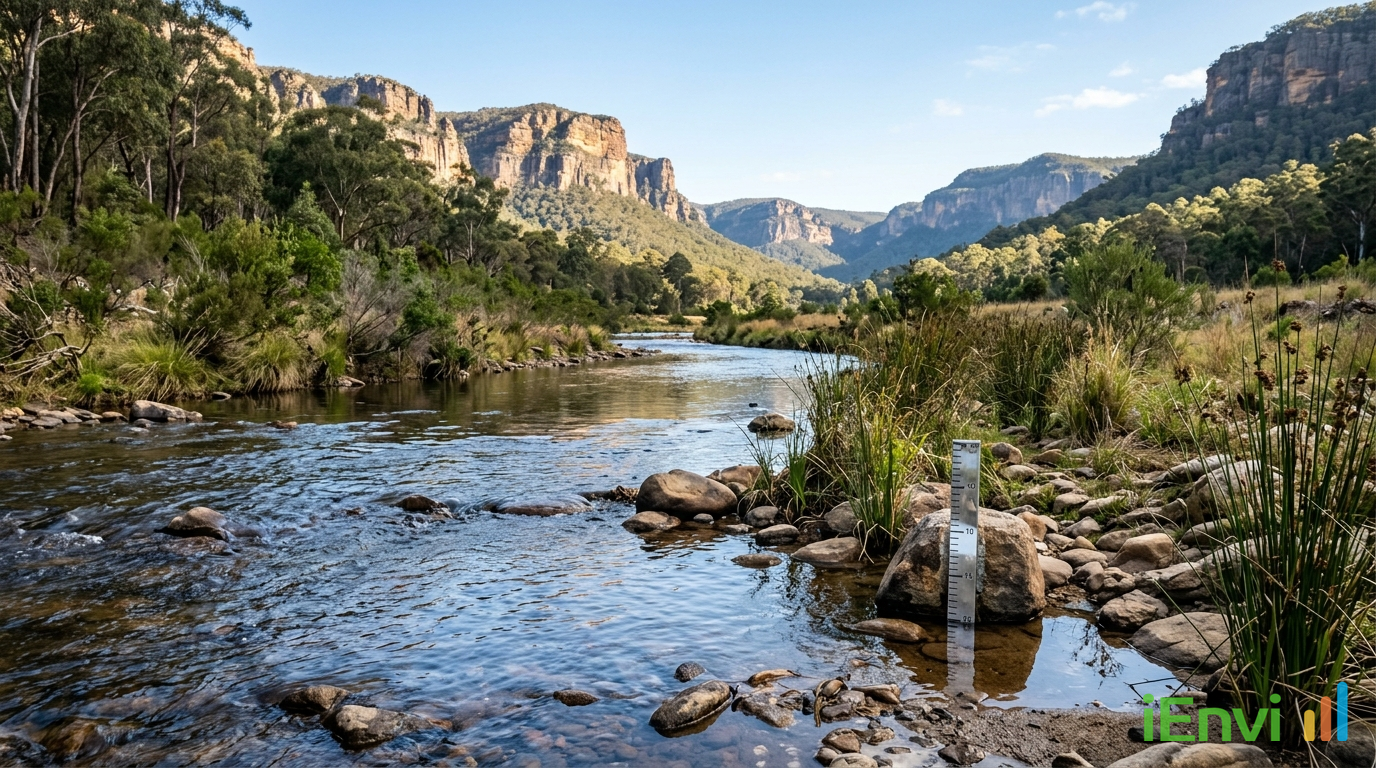
On 16 April 2026, the NSW Environment Protection Authority issued an amended Clean Up Notice to 3M Australia following the detection of per- and polyfluoroalkyl substances (PFAS) in the Capertee River, downstream of the inactive Brogans Creek Quarry. The detected concentrations exceeded the current national drinking water guidelines but remained below recreational water quality thresholds. The escalation represents a shift in the regulatory posture of the NSW EPA, moving from site-boundary containment to active community exposure pathway investigation across a broader catchment area that includes Ulumbra Creek and the Capertee River system.
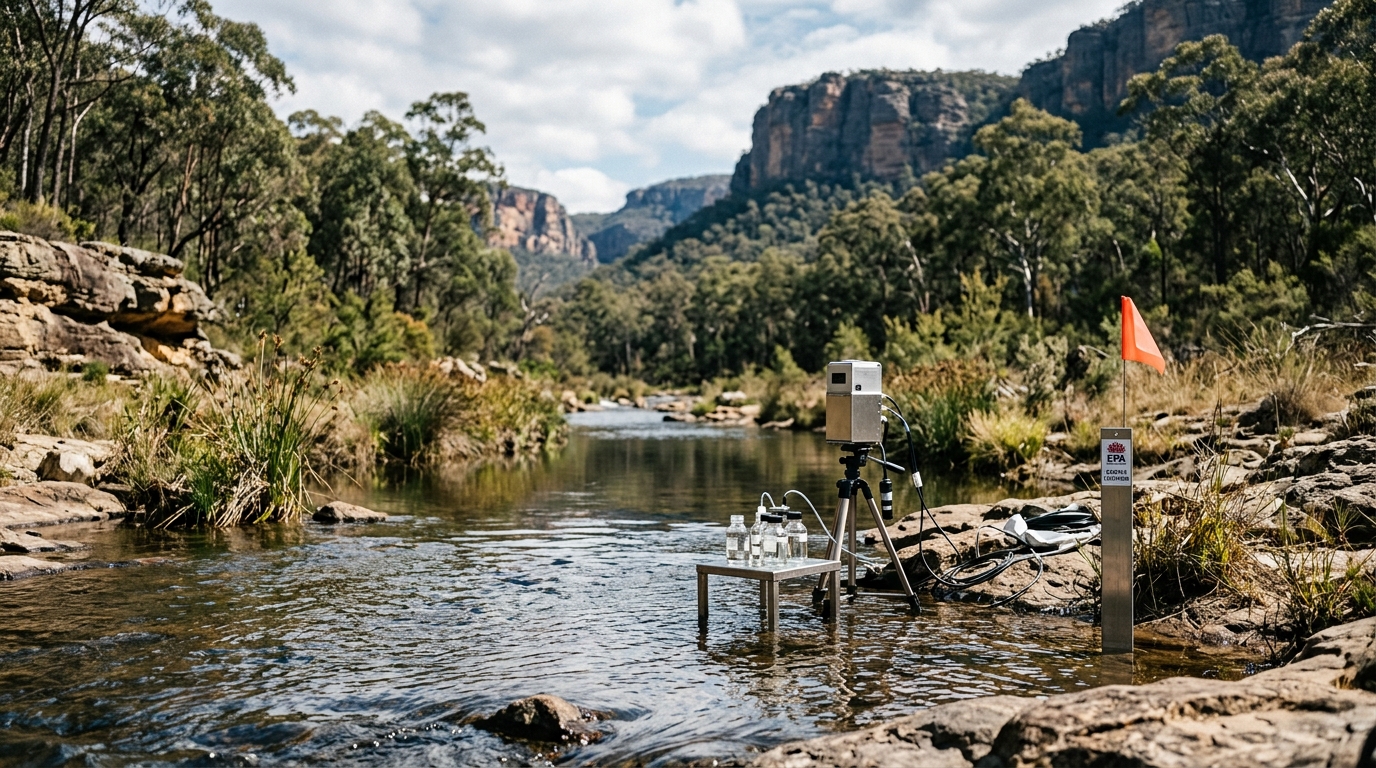
The amended notice compels 3M Australia to undertake comprehensive land and water use surveys for residents and agricultural operators living and working along both water bodies. The core objective is to map all plausible human exposure routes, including direct extraction of river water for drinking purposes, the consumption of agricultural produce irrigated from the river, and any other pathway by which PFAS-affected water may reach people. The EPA is also requiring further environmental sampling to properly delineate the expanding contamination footprint, acknowledging that the original Clean Up Notice did not account for the extent of downstream migration now observed.
For contaminated land practitioners, environmental lawyers, developers, and local councils operating anywhere near legacy industrial sites, this enforcement action carries direct professional relevance. It demonstrates how regulators are applying the exposure pathway frameworks formalised in the PFAS National Environmental Management Plan (NEMP) 3.0, published in March 2025, and it reinforces that the polluter-pays principle does not expire when a facility becomes inactive. Legacy contamination liabilities can re-emerge decades after operations cease, particularly when persistent and mobile compounds such as PFAS are involved and when surface water provides a long-range transport vector well beyond the original site boundary.
Key details of the NSW EPA amended Clean Up Notice against 3M Australia
The Brogans Creek Quarry, previously associated with 3M Australia, is understood to be inactive. Despite this, legacy PFAS contamination linked to historical operations at the site has been detected migrating through the surface water system into Ulumbra Creek and the Capertee River. Environmental sampling confirmed that PFAS concentrations in the Capertee River exceed the current Australian Drinking Water Guidelines (ADWG), the June 2025 version of which sets the applicable criteria for this assessment. The fact that concentrations exceed drinking water thresholds but not recreational thresholds is a technically notable distinction: it means the primary regulatory concern is not dermal or incidental contact during recreational activity, but rather the extraction of river water for consumption, whether directly by residents or indirectly through irrigation of food crops.
The amended Clean Up Notice issued under the Protection of the Environment Operations Act 1997 (NSW) requires 3M Australia to conduct targeted land and water use surveys across the affected communities along Ulumbra Creek and the Capertee River. These surveys are designed to identify all domestic and agricultural extraction points, determine whether residents are relying on surface water for drinking or cooking, and establish the extent to which irrigated agricultural produce may represent a PFAS exposure pathway. The EPA’s approach here reflects the tiered, pathway-specific framework in PFAS NEMP 3.0, which requires investigators to identify receptor populations and their actual interaction with contaminated media rather than relying on generic conservative assumptions alone.
The requirement for further environmental sampling is equally notable. The amended notice is premised on the recognition that the original contamination footprint, as understood at the time of the first Clean Up Notice, was incomplete. Downstream detections in the Capertee River indicate that the PFAS plume has travelled further than the initial model predicted, which is consistent with the known behaviour of short-chain and long-chain PFAS compounds in surface water environments. PFAS compounds are characterised by their persistence, resistance to environmental degradation, and in many cases high aqueous mobility. The specific compounds detected in this catchment have not been publicly specified in available reporting, and practitioners reviewing this case should consult the amended notice directly, as chain length and functional group determine sorption behaviour, bioaccumulation potential, and the applicable guideline threshold for each compound.
The amended Clean Up Notice is a legally binding instrument under the Protection of the Environment Operations Act 1997, which grants the NSW EPA broad powers to compel polluters to investigate and remediate contamination at their cost. Failure to comply with a Clean Up Notice can attract substantial penalties under the Act. The use of an amended notice, rather than a new notice, is also procedurally notable: it signals that the EPA views this as a continuation and escalation of the existing regulatory action rather than a separate matter, maintaining the regulatory history and accountability attached to the original notice.
Australian context: PFAS NEMP 3.0, the ADWG, and NSW contaminated land regulation
The NSW EPA’s enforcement action sits squarely within the national PFAS regulatory architecture. The PFAS National Environmental Management Plan 3.0, published in March 2025 by the heads of EPAs across Australia and New Zealand, provides the primary national framework for managing PFAS contamination. PFAS NEMP 3.0 formalises exposure pathway assessment as a core investigative requirement, mo
References and related sources
- Primary source: www.epa.nsw.gov.au
- PFAS National Environmental Management Plan (NEMP)
- NSW EPA
- Australian Drinking Water Guidelines
How iEnvi can help
iEnvi provides specialist consulting services relevant to this topic. Our team includes CEnvP Site Contamination Specialists with experience across contaminated land, groundwater, remediation, ecology, and regulatory compliance.
- iEnvi groundwater services
- iEnvi remediation and validation services
- iEnvi expert services and independent review services
This is an iEnvi Machete news summary. Prepared by iEnvi to summarise the source article for contaminated land, groundwater, remediation, approvals and site risk professionals.
Published: 17 Apr 2026
Need advice on this topic? Speak to an iEnvi expert at info@ienvi.com.au or 1300 043 684, or contact us online.
Need advice on this issue? iEnvironmental Australia provides practical, senior-led environmental consulting across contaminated land, remediation, ecology and environmental risk.
Contaminated land advice Remediation services Groundwater services Ecology consulting Talk to iEnvi