
Automation in Biotechnology Facilities
The establishment of Cellafa, a joint venture between Astellas Pharma Inc. and YASKAWA Electric Corporation, represents a significant milestone in the commercialisation of advanced biotechnology. By combining Astellas’ pharmaceutical expertise with YASKAWA’s industrial robotics capability, the new entity aims to solve one of the most persistent bottlenecks in modern medicine: the highly variable, labour-intensive manufacturing of cell therapies. For environmental consultants, property developers, and legal advisors working within the high-tech and biomanufacturing sectors, this integration of artificial intelligence and humanoid robotics signals a fundamental shift in how laboratory facilities will be designed, operated, and decommissioned in the coming decade.
The traditional production of personalised cell therapies has relied heavily on manual intervention in highly controlled cleanroom environments. This reliance introduces substantial human error, batch-to-batch inconsistency, and elevated operational risks. The introduction of Cellafa’s automated systems, which utilise the Maholo humanoid robot, aims to standardise these biological processes, ensuring consistent quality while significantly reducing the physical footprint required for sterile manufacturing. As these autonomous technologies transition from experimental laboratories to commercial-scale production, they will redefine industrial space requirements and the regulatory frameworks governing high-tech manufacturing precincts.
From a commercial real estate and project planning perspective, the emergence of modular, automated biomanufacturing systems will disrupt standard development timelines and utility demand profiles. Traditional facilities require complex, energy-intensive heating, ventilation, and air conditioning systems to maintain sterile environments for human workers. By transitioning the sterile boundary from an entire room to a localised robotic enclosure, developers can construct more efficient, flexible, and sustainable buildings. This technological shift demands a proactive reassessment of environmental due diligence, operational safety, and building design criteria for future biotechnology developments.
Technical Specifications of the Maholo Platform
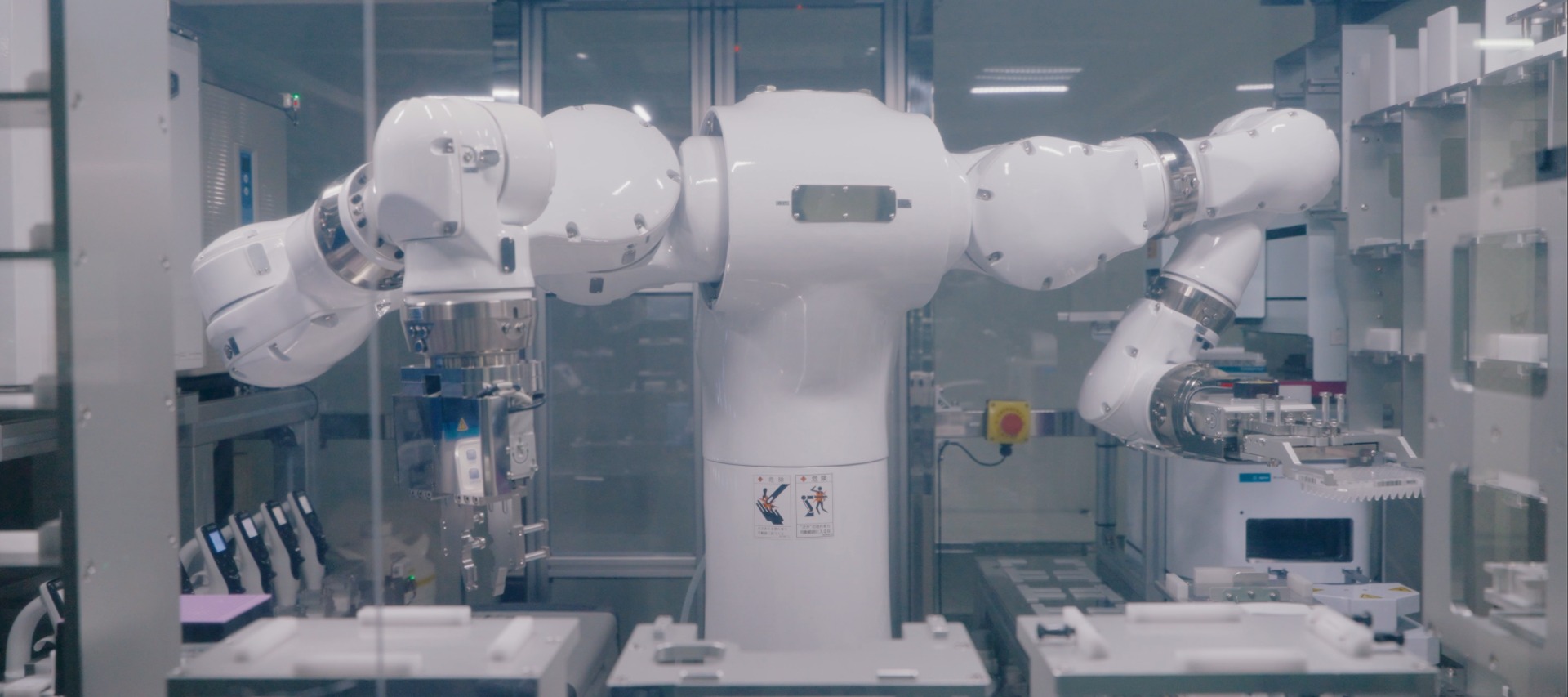
At the core of Cellafa’s technical strategy is the integration of YASKAWA’s advanced robotic systems with the Maholo humanoid robot platform, driven by dedicated artificial intelligence algorithms. The Maholo platform is designed specifically to replicate the precise, multi-axis movements of human hands and arms within sterile laboratory enclosures. Unlike traditional, single-purpose automation lines, this dual-arm humanoid robot can execute highly complex, variable tasks such as cell culture seeding, medium exchange, pipetting, and centrifugal separation. By mimicking human morphology, the robot can operate within existing laboratory layouts without requiring complete facility redesigns, utilising standard laboratory equipment with high precision.
The joint venture is structured to deliver commercialised research support services by April 2026. This timeline highlights the rapid pace of development, transitioning from laboratory proof-of-concept to active commercial deployment in less than two years. The artificial intelligence component of the platform is trained using deep learning models that analyse human movements and biological outcomes, optimising pipette angles, transfer speeds, and material handling techniques. This constant refinement aims to eliminate common points of physical failure, such as cell shear stress caused by inconsistent fluid dynamics during manual handling, thereby ensuring higher cell viability rates.
From a facility management and engineering perspective, the deployment of automated robotic chambers shifts the design paradigm away from expansive, human-occupied cleanrooms. Standard cleanroom classifications, such as ISO Class 5 or Class 6 environments, require massive volume air changes, high-efficiency particulate air filtration networks, and strict gowning protocols to mitigate human shedding of particulates. By enclosing the humanoid robot within a localised, sealed isolator unit, the sterile zone is confined to a fraction of the space. This micro-environment approach dramatically reduces the energy demand of mechanical ventilation systems and minimises the volume of hazardous chemical disinfectants required for sterilisation, as the robot can be sterilised using automated vaporised hydrogen peroxide systems.
Additionally, the automated tracking of every movement and chemical interaction within the robotic enclosure provides an unbroken, digitally auditable record of the manufacturing process. This level of traceability is critical for regulatory compliance in cellular therapy, where product consistency is paramount. By linking robotic action logs with environmental sensor data, such as real-time temperature, humidity, and particle counts, the system generates comprehensive data packages for each batch. This digital integration reduces the reliance on manual paper-based logs, minimising transcription errors and accelerating the quality assurance review process before product release.
Australian context
For the Australian professional services sector, the emergence of AI-driven robotic biomanufacturing carries significant regulatory and operational implications. The Therapeutic Goods Administration regulates cell and tissue products under the Australian Regulatory Guidelines for Biologicals and the Code of Good Manufacturing Practice. Under current Therapeutic Goods Administration frameworks, validation processes are deeply tied to human training, manual standard operating procedures, and physical verification. Incorporating autonomous, AI-driven humanoid systems like Maholo will require a fundamental restructure of how quality assurance and data integrity, such as ALCOA plus principles, are applied in Australian biomanufacturing facilities.
References and related sources
- Primary source: newsroom.astellas.com
How iEnvi can help
iEnvi provides specialist consulting services relevant to this topic. Our team includes CEnvP Site Contamination Specialists with experience across contaminated land, groundwater, remediation, ecology, and regulatory compliance.
- iEnvi contaminated land investigation services
- iEnvi remediation and validation services
- iEnvi expert services and independent review services
This is an iEnvi Machete news summary. Prepared by iEnvi to summarise the source article for contaminated land, groundwater, remediation, approvals and site risk professionals.
Published: 17 Jun 2026
Need advice on this topic? Speak to an iEnvi expert at info@ienvi.com.au or 1300 043 684, or contact us online.
Need advice on this issue? iEnvi provides practical, senior-led environmental consulting across contaminated land, remediation, ecology and environmental risk.
Team credentials Contaminated land services Remediation services Groundwater services Talk to iEnvi