
Overview
The Australian Department of Climate Change, Energy, the Environment and Water (DCCEEW) and the CSIRO have jointly released the final synthesis and site-specific reports for the Murray-Darling Basin Ramsar Climate Change Vulnerability and Adaptation Project, a three-year, $2.5 million research programme. The study assessed climate change vulnerability at three internationally significant Ramsar-listed wetlands: the Macquarie Marshes near Nyngan in New South Wales, the Riverland site along the Murray River in South Australia, and Barmah Forest straddling the NSW-Victorian border. This is one of the most substantial government-funded investigations into climate-driven ecological risk at Australian Ramsar sites ever conducted, and its release marks a clear shift in the standard of evidence regulators will expect from project proponents operating in these catchments.
The study’s findings establish two distinct threat horizons. In the short term, the dominant pressure on all three wetlands is the continued disruption of already irregular and heavily regulated water flows. Over the longer term, as the Murray-Darling Basin becomes progressively hotter and drier under climate projections, these baseline stressors will be compounded dramatically. The research identifies that altered land-use patterns and modified natural flow regimes will interact with warming temperatures to produce ecological outcomes that cannot be predicted from historical baseline data alone. For environmental practitioners, this is the central operational finding: historical hydrology is no longer a defensible proxy for future ecological conditions at these sites.
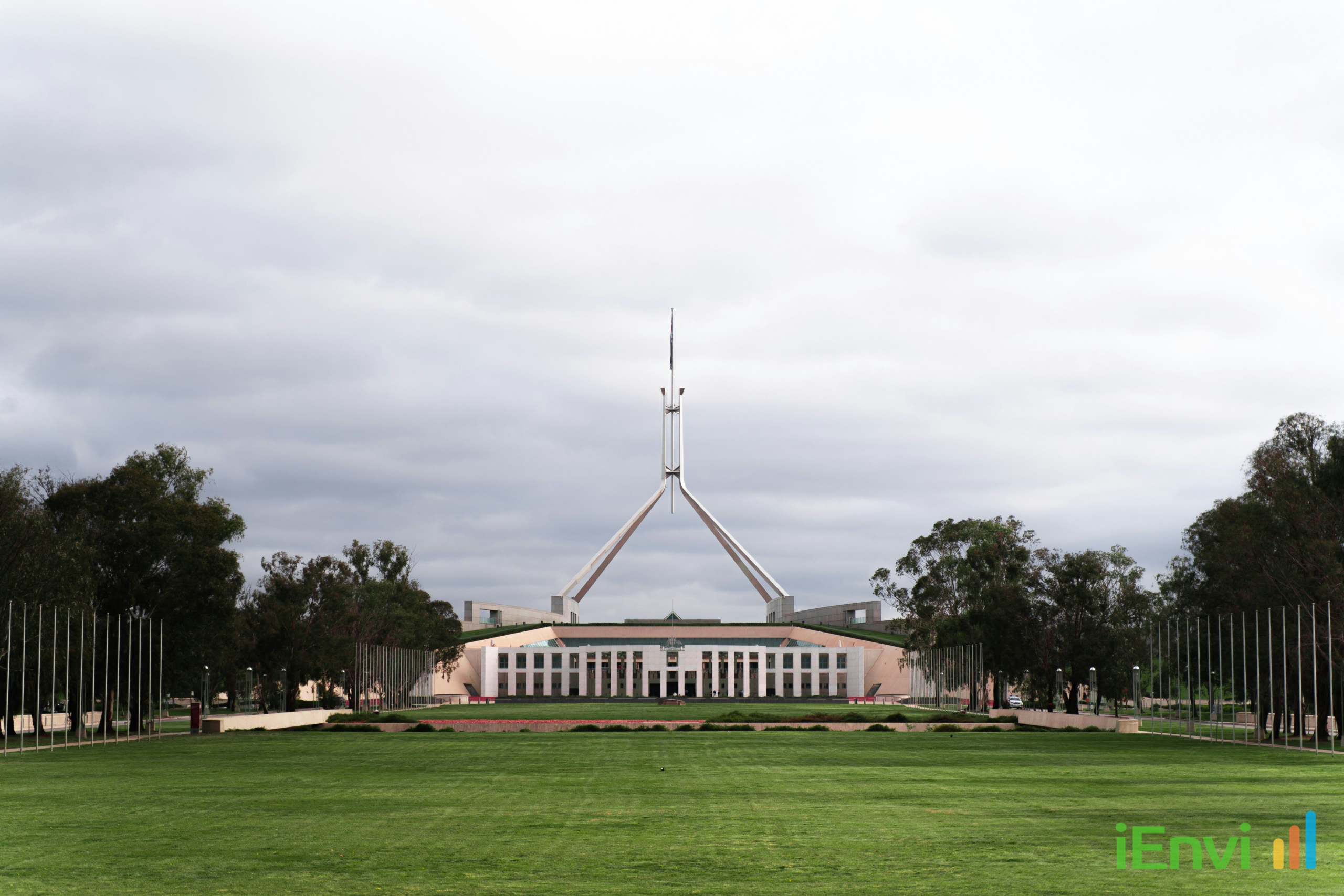
The release matters beyond academic interest. Because Ramsar wetlands are declared Matters of National Environmental Significance (MNES) under the Environment Protection and Biodiversity Conservation Act 1999 (Cth) (EPBC Act), any development, agricultural activity, or infrastructure project with potential hydrologic or ecological connections to these catchments is subject to federal referral and assessment obligations. This study now forms part of the evidentiary baseline that DCCEEW and the Department’s assessment officers will expect proponents to engage with directly when preparing Environmental Impact Statements and related documentation.
Key details of the Murray-Darling Ramsar climate vulnerability study
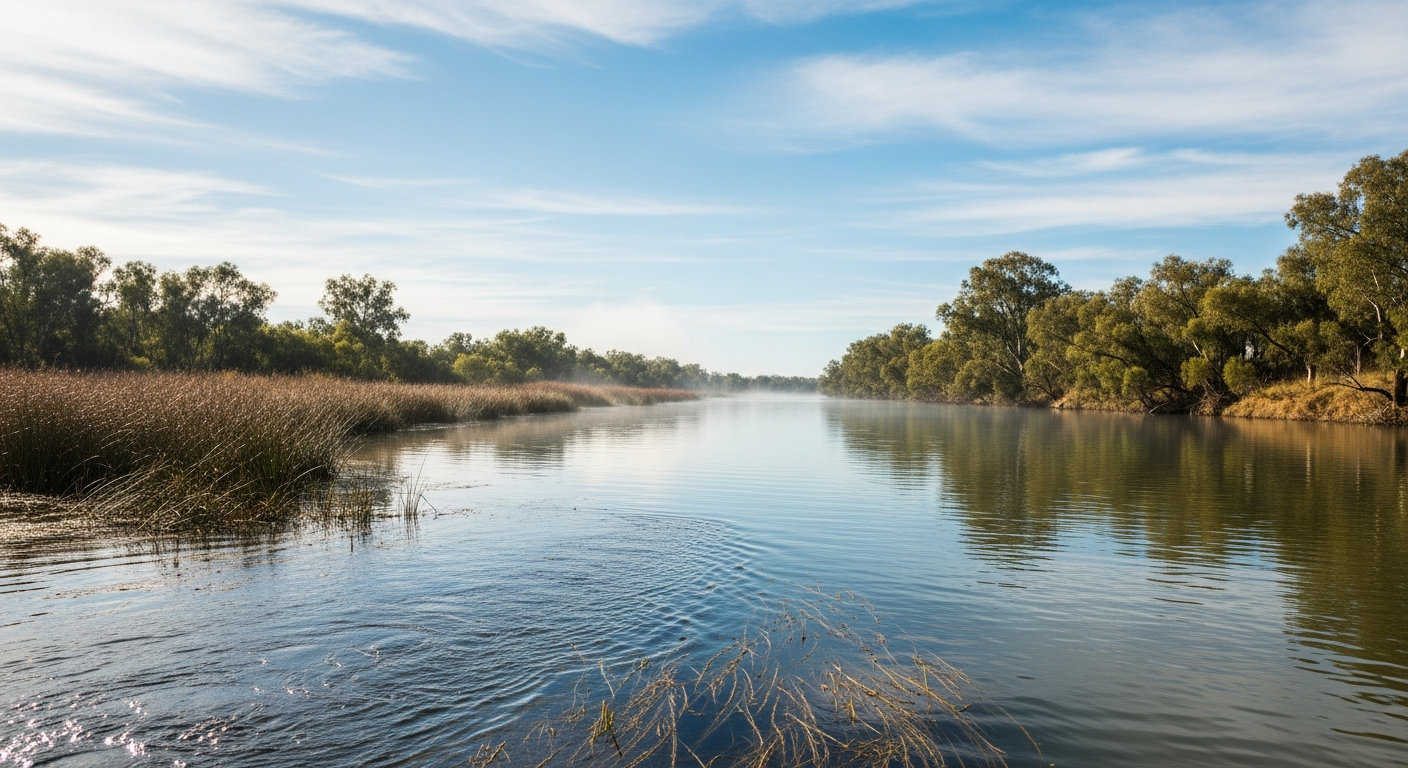
The three wetland sites selected for investigation represent a cross-section of the Murray-Darling Basin’s most ecologically sensitive and internationally recognised freshwater systems. The Macquarie Marshes Ramsar site, located approximately 100 kilometres north of Nyngan in central-western New South Wales, is one of the largest temperate inland wetland systems in Australia and supports globally significant waterbird breeding colonies. The Riverland Ramsar site in South Australia encompasses a stretch of the Murray River corridor and associated floodplain lakes, while Barmah Forest, listed separately but ecologically connected to the broader Murray system, contains the largest river red gum forest on Earth, covering approximately 28,800 hectares (71,000 acres). Each site was assessed individually, with site-specific reports produced alongside the overarching synthesis document.
The study’s findings on short-term threats centre on flow regulation and extraction pressures that have already altered the natural inundation regimes these wetlands depend upon. River regulation in the Murray-Darling system has substantially reduced the frequency and duration of flood events that historically drove wetland productivity, seed germination cycles, and waterbird breeding triggers. The research confirms that this existing hydrological stress is the most immediately critical factor for ecological character maintenance at all three sites. This is directly relevant to how practitioners must frame existing conditions in referral documentation and ecological character descriptions prepared under Ramsar obligations.
For long-term projections, the study draws on climate modelling that indicates the Murray-Darling Basin will experience reduced annual average rainfall, increased temperatures, and more frequent and severe drought periods through the latter half of this century. These projections introduce a layer of compounding risk: wetlands that are already stressed by flow modification will have progressively less water available to support ecological function, even in years classified as average under historical records. The study explicitly identifies that altered land-use patterns, including changes to irrigation demand and dryland farming extent, will interact with these climate shifts to produce outcomes that no historical dataset can reliably model.
From a regulatory mechanics perspective, the study’s release has immediate consequences for how the EPBC Act’s significance thresholds operate in practice. Section 16 of the EPBC Act establishes the prohibition on actions that have, will have, or are likely to have a significant impact on a declared Ramsar wetland. Section 17B provides the formal mechanism by which wetlands are declared wetlands of international importance under the Ramsar Convention, grounding the regulatory protection. The threshold for triggering a significant impact assessment under Section 16 is deliberately set low, and DCCEEW’s policy guidance makes clear that potential impacts on the ecological character of a Ramsar wetland, including indirect impacts on hydrology from upstream or catchment-scale activities, can meet that threshold. This new CSIRO dataset will inform how that threshold is applied going forward.
Australian context: EPBC Act, ANZG 2018, and Ramsar obligations for catchment projects
Australia has 66 Ramsar-listed wetlands, covering approximately 8.3 million hectares, and the three sites examined in this study are among the most ecologically significant within the Murray-Darling Basin. For project proponents and environmental practitioners operating anywhere within these catchments, the release of this research reinforces that Ramsar obligations extend well beyond the physical boundaries of listed sites. Upstream and catchment-scale activities that alter hydrology, water quality, or sediment dynamics can trigger federal referral requirements under the EPBC Act, and this study’s findings on compounding climate and land-use pressures will now form part of the evidentiary context within which those assessments are conducted.
References and related sources
- Primary source: www.dcceew.gov.au
- dcceew.gov.au
- miragenews.com
- ANZG Water Quality Guidelines
- EPBC Act
How iEnvi can help
iEnvi provides specialist consulting services relevant to this topic. Our team includes CEnvP Site Contamination Specialists with experience across contaminated land, groundwater, remediation, ecology, and regulatory compliance.
- iEnvi contaminated land investigation services
- iEnvi remediation and validation services
- iEnvi expert services and independent review services
This is an iEnvi Machete news summary. Prepared by iEnvi to summarise the source article for contaminated land, groundwater, remediation, approvals and site risk professionals.
Published: 31 May 2026
Need advice on this topic? Speak to an iEnvi expert at info@ienvi.com.au or 1300 043 684, or contact us online.
Need advice on this issue? iEnvi provides practical, senior-led environmental consulting across contaminated land, remediation, ecology and environmental risk.
Team credentials Contaminated land services Remediation services Groundwater services Talk to iEnvi