
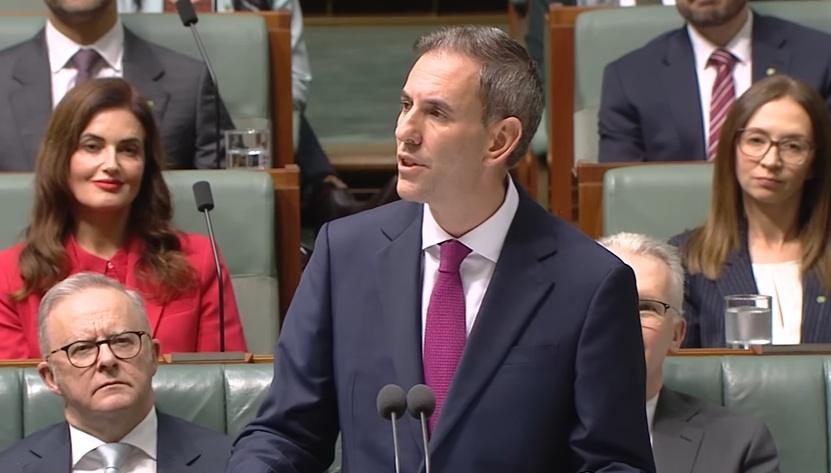
Proposed Changes to Australia’s Mandatory Climate Reporting
The Australian Federal Government has announced a significant proposed amendment to its corporate reporting rules, representing a major policy shift announced in late 2024. Under the new proposal, the government plans to double the financial thresholds that determine which companies must publish audited financial and sustainability reports. By raising these limits, the policy effectively exempts smaller corporate entities from the mandatory climate-related financial disclosure framework that was originally structured to capture them by the 2027 to 2028 reporting cycle. For environmental practitioners, corporate advisors, land developers, and legal specialists, this development recalibrates the compliance trajectory for hundreds of mid-tier companies across the country.
Historically, the push toward mandatory environmental, social, and governance reporting in Australia was viewed as an all-encompassing wave that would eventually sweep up almost every mid-sized business. The initial framework, established under legislative reforms passed in 2024, was designed to introduce a phased roll-out over several years, culminating in the inclusion of smaller Group 3 entities. By proposing to raise the threshold to one hundred million Australian dollars in annual revenue and fifty million Australian dollars in assets, the government has signalled a pragmatic adjustment. This change aims to balance the urgent national drive toward net-zero emissions with the practical economic realities and administrative costs faced by smaller businesses in a challenging economic climate.
For senior environmental consultants and their clients, this regulatory shift does not signify a retreat from environmental accountability, but rather a restructuring of where compliance costs will be concentrated. While direct statutory obligations are being lifted for smaller firms, the indirect pressures of carbon accounting and climate risk management will persist through supply chain demands and commercial transactions. Understanding the fine boundaries of these proposed changes is essential for advising clients on corporate governance, transaction risks, and the allocation of environmental management resources over the coming decade.
New Revenue and Asset Thresholds for Group 3 Compliance
To appreciate the impact of the proposed changes, it is necessary to examine the technical structure of the original 2024 mandatory climate disclosure framework. The legislation established a three-tiered implementation schedule categorised into Group 1, Group 2, and Group 3 entities. Under the original definitions, Group 3 entities represented the smallest cohort of businesses subject to mandatory disclosures. A company was classified under Group 3 if it met at least two of three distinct criteria: a consolidated gross revenue of fifty million Australian dollars or more, consolidated gross assets of twenty-five million Australian dollars or more, or an average employee count of one hundred or more. These entities were legally mandated to begin reporting on their climate-related risks, opportunities, and greenhouse gas emissions for financial years commencing on or after 1 July 2027.
The newly proposed changes plan to double the financial triggers for these reporting requirements. Under the new proposal, the minimum consolidated revenue threshold will rise from fifty million Australian dollars to one hundred million Australian dollars. Simultaneously, the minimum consolidated asset threshold will double from twenty-five million Australian dollars to fifty million Australian dollars. Consequently, any company that falls below both of these new financial thresholds will be exempt from the mandatory sustainability and climate-related financial reporting regime, regardless of their employee count. This change effectively removes a vast number of mid-sized Australian enterprises from the direct oversight of the Australian Securities and Investments Commission in relation to climate disclosures.
The primary drivers behind this threshold adjustment are the high cost and complexity associated with preparing audit-ready climate disclosures. Under the standards developed by the Australian Accounting Standards Board, which are heavily based on the International Sustainability Standards Board framework, covered entities must provide detailed reports. These reports require a comprehensive analysis of climate governance, corporate strategy, risk management protocols, and specific transition metrics. Furthermore, the legislation requires these disclosures to be progressively subjected to mandatory independent assurance and auditing. For a mid-tier business, establishing the necessary internal accounting systems, tracking scope 1 and scope 2 emissions, and hiring external auditors represents a significant financial commitment that the government has now deemed disproportionate to the public benefit.
However, the core reporting requirements for larger organisations remain entirely unchanged. Group 1 and Group 2 entities, which encompass Australia’s largest corporate emitters, financial institutions, and multi-national corporations, must still adhere to their established timelines. Group 1 entities are already navigating their initial reporting periods, while Group 2 entities are preparing for their compliance window. Because these larger organisations are legally required to disclose their value-chain, or Scope 3, greenhouse gas emissions, they must continue to seek emissions data from their suppliers. To prevent these larger entities from simply passing the compliance burden down to their now-exempt smaller business partners, the Federal Government has also announced plans to consult on further regulatory reforms. These future consultations will focus on setting clear boundaries and limitations on the types and extent of information requests that large entities can make of smaller suppliers, ensuring that exempt businesses are not forced to produce the same detailed climate data through contractual or commercial channels that they have been spared from providing under statute.

References and related sources
- Primary source: esgtoday.com
How iEnvi can help
iEnvi provides specialist consulting services relevant to this topic. Our team includes CEnvP Site Contamination Specialists with experience across contaminated land, groundwater, remediation, ecology, and regulatory compliance.
- iEnvi ESG services
- iEnvi contaminated land investigation services
- iEnvi remediation and validation services
- iEnvi expert services and independent review services
This is an iEnvi Machete news summary. Prepared by iEnvi to summarise the source article for contaminated land, groundwater, remediation, approvals and site risk professionals.
Published: 21 May 2026
Need advice on this topic? Speak to an iEnvi expert at info@ienvi.com.au or 1300 043 684, or contact us online.
Need advice on this issue? iEnvi provides practical, senior-led environmental consulting across contaminated land, remediation, ecology and environmental risk.
Team credentials Contaminated land services Remediation services Groundwater services Talk to iEnvi