
Most projects that generate or require soil — new buildings, underground storage tank (UST) removals, sports field upgrades or contaminated-site remediation — follow a default approach: export excavated soil to landfill and import clean fill. With targeted soil science and regulatory planning many materials can instead be designed and reused on-site or between nearby projects. This reduces cost, waste and the need for quarry-sourced material while managing human health and environmental risk.
What we mean by beneficial reuse
Beneficial reuse means reusing excavated or remediated soil as a resource (for example as engineered fill, drainage sand or turf growth media) rather than treating it as waste requiring landfill disposal. Reuse is only appropriate when soils meet environmental and engineering acceptance criteria and when regulatory approvals and chain-of-custody controls are in place.
Case study summary (SITE A and SITE B)
iEnvi managed two linked projects that converted waste into resource between two sites, producing both commercial and environmental benefits:
- SITE A — UST/UPSS removal and tank-pit sand excavation. Excavated sand was contaminated with solvent hydrocarbons and treated using biodegradable surfactants and soil bioremediation methods.
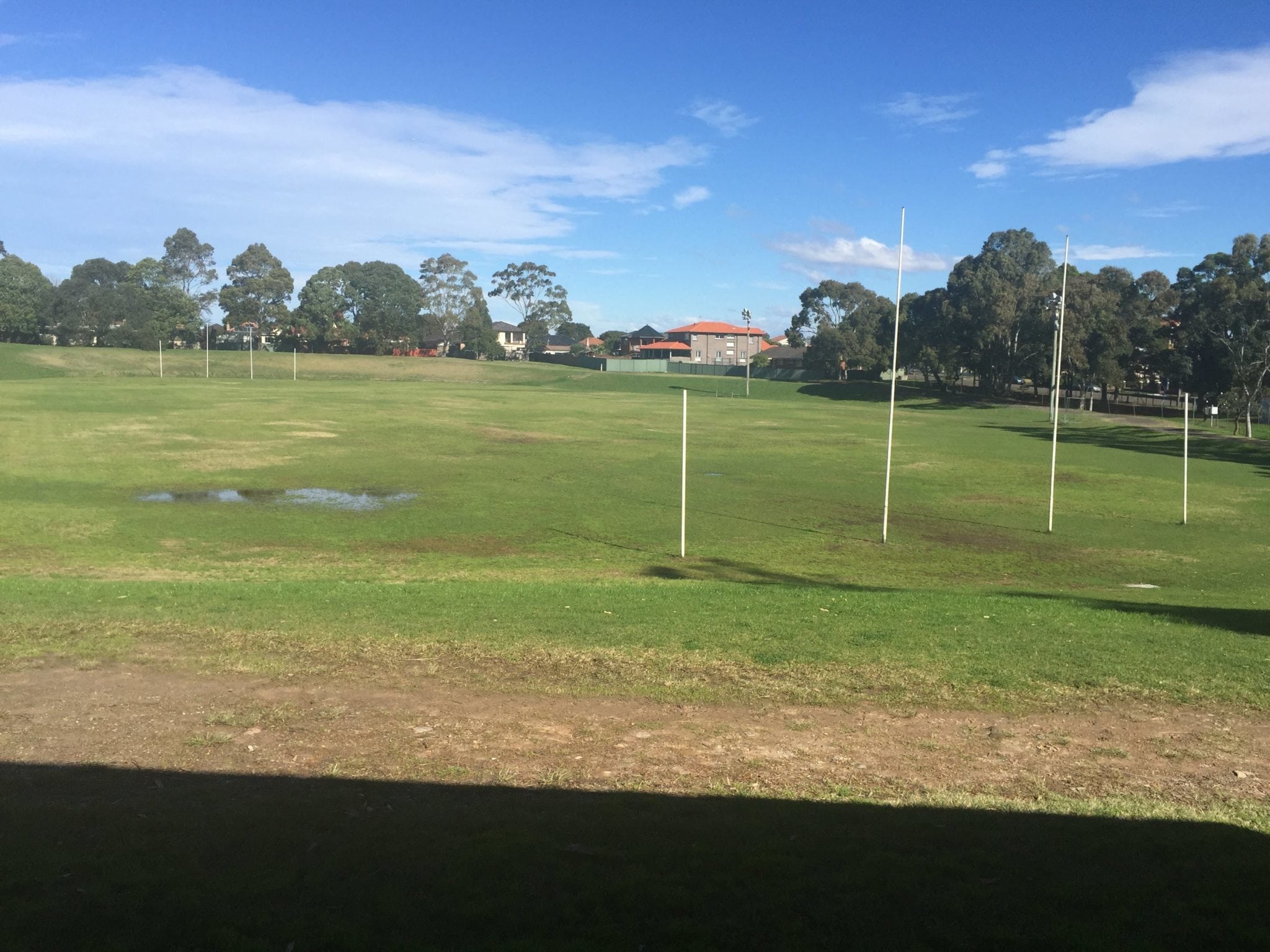
- SITE B — AFL sports field upgrade on a former landfill. Recovered soils were assessed and designed as turf growth media.
Remediated sand from SITE A was reused at SITE B to improve drainage and assist turf establishment. SESL Australia undertook a beneficial reuse survey and soil design for SITE B, identifying soil fractions that could be retained and recommending amendments to meet turf performance and environmental criteria.
Regulatory approvals
Because the material from SITE A had been “processed” by remediation, reuse required a Specific Resource Recovery Order and Exemption from the NSW Environment Protection Authority (EPA). The project team lodged the application and the EPA granted approval within a few weeks. Note: approval pathways vary by jurisdiction and some reuse routes are subject to pre-approved exemptions; other proposals are assessed case-by-case and generally require an expert land consultant to coordinate risk assessment and approval documentation.
Measured outcomes
- Financial savings: SITE A net saving estimated at $77,500 (remediation + approvals versus landfill disposal) and SITE B net saving estimated at $1,002,300 (avoided disposal and import of clean fill).
- Waste and resource savings: approximately 6,500 tonnes diverted from landfill and about 6,800 tonnes of quarry material avoided.
Practical benefits for developers and landowners
- Cost control — lower waste disposal and transport costs plus avoided purchase of large volumes of clean fill or engineered materials.
- Time and logistics — onsite rework and coordinated reuse can reduce time spent sourcing and transporting fill, but allows for extra time upfront for testing and approvals.
- Risk management — engineered reuse requires confirmatory sampling, validated remediation, clear material classification and chain-of-custody to satisfy regulators and future due diligence.
- Sustainability — reduced landfill, lower emissions from transport and reduced quarrying footprints support ESG commitments and can improve community and stakeholder outcomes.
Practical checklist for a successful beneficial reuse project
- Commission a qualified soil scientist or contaminated-land consultant to classify materials and design reuse specifications.
- Confirm contaminant concentrations through representative sampling and laboratory analysis to determine suitability for reuse or need for remediation.
- If remediation is required, select a validated remediation method and prepare verification sampling protocols.
- Engage early with the relevant environmental regulator to determine whether an exemption, order or other approval is needed and the information required.
- Document the chain-of-custody, placement specifications and post-placement verification to support approvals and future property due diligence.
- Factor the approvals timeline and verification costs into project budgets — reuse can save substantial sums overall but requires up-front investment in technical and regulatory work.
Key takeaways
- Beneficial reuse of clean or remediated soil can deliver major cost savings and environmental benefits when supported by competent soil science and appropriate regulatory approvals.
- Early planning and specialist input are essential to convert a waste problem into a reusable resource while managing liability and compliance risks.
- Regulators typically assess reuse proposals case-by-case; an experienced consultant can streamline approvals and provide defensible technical justification.
Want help converting soil liability into commercial advantage?
iEnvi provides practical contaminated-land, soil science and approvals support for developers, asset owners and contractors. We coordinate remediation, soil reuse design and EPA approvals to help projects reduce cost, landfill and schedule risk.
Call us on 13000 43684 or visit /contact/ to discuss your project.
Related services for this project. iEnvi links delivered project work back to the service pathways clients use for similar sites — investigation, remediation, ecology and environmental management.
UPSS investigation and validation Site remediation Environmental due diligence Talk to iEnvi