
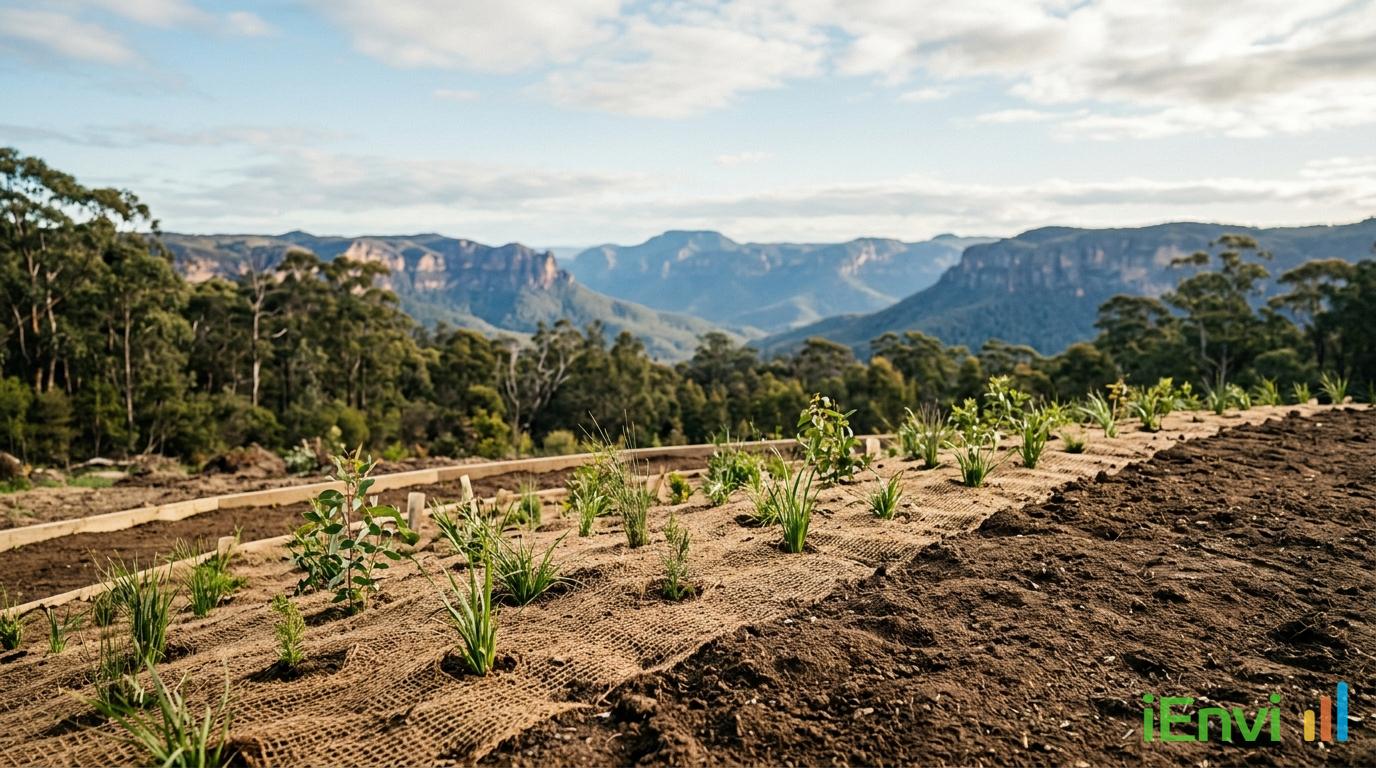
NSW EPA Funding Boost for Blue Mountains Illegal Dumping Remediation
Blue Mountains City Council announced on 15 April 2026 that it has secured targeted funding from the NSW Environment Protection Authority (EPA) to address illegal dumping across its World Heritage-listed region. The programme extends well beyond conventional enforcement activity, specifically funding the physical remediation and ecological restoration of sites already impacted by illegal dumping, as well as the safe removal of hazardous materials including asbestos and contaminated soil. This marks a departure from the reactive, penalty-driven model that has historically characterised illegal dumping responses across New South Wales.
The announcement carries practical weight for environmental professionals operating in the peri-urban and regional local government space. It signals a funded pipeline of contaminated land assessment, remediation planning, and ecological rehabilitation work tied to a council area that spans some of the most ecologically sensitive terrain in the country. The Blue Mountains World Heritage Area encompasses approximately 1.03 million hectares of protected landscape, including nationally significant eucalypt woodland, waterway systems, and threatened species habitat — though the Blue Mountains City Council local government area itself covers around 143,000 hectares of that broader protected region. Conducting hazardous waste removal and soil remediation within or adjacent to this environment demands a level of technical rigour and regulatory compliance that goes well beyond standard residential or industrial site clean-ups.
For developers, lawyers advising councils, and environmental consultants alike, the initiative also illustrates how the NSW EPA is deploying grant funding as a proactive regulatory tool, one that incentivises councils to address contamination and hazard risks before they migrate into protected ecological systems or present acute public health consequences. Understanding the scope of what this programme funds, and the compliance obligations it creates, is essential for any professional likely to tender for or advise on work of this nature.
Key details of the Blue Mountains illegal dumping remediation programme
The funded programme comprises three distinct workstreams. The first is physical site remediation and ecological restoration, covering the safe removal of hazardous waste materials that have been illegally deposited across the council area. Confirmed hazardous materials at illegal dump sites include friable and non-friable asbestos, contaminated soil, and chemical waste. Asbestos in peri-urban environments is a complex remediation challenge because material may have been dumped across uneven, vegetated terrain, making delineation, containment, and validation substantially more involved than a conventional structured demolition or building remediation project.
The second workstream involves preventative physical infrastructure installed at known and repeat dumping hotspots. This includes both fixed and portable closed-circuit television (CCTV) surveillance systems, along with physical access control measures such as gates and bollards designed to prevent vehicle access to vulnerable sites. The use of portable CCTV systems in particular reflects an intelligence-led approach, allowing council officers to redeploy surveillance assets to emerging hotspots rather than committing infrastructure permanently to locations that may shift over time as offender behaviour adapts.
The third workstream is a workforce education and training initiative. The Council is developing animated training videos specifically designed to inform workers attending illegal dump sites about the range of hazards they may encounter. The source material confirms that these videos will cover asbestos, mould, lead, manual handling risks, and chemical exposures. This is a critical component that is often under-resourced in illegal dumping response programmes. Workers conducting initial site assessments or early-stage waste characterisation, including council rangers, field staff, and remediation crews, face genuine acute exposure risks if they are not equipped to recognise and respond to the hazard profile of an illegal dump site before commencing any physical work.
The primary legislative instrument governing illegal dumping and hazardous waste offences in New South Wales is the Protection of the Environment Operations Act 1997 (POEO Act). The POEO Act establishes the offence framework, sets out the conditions under which the EPA and local councils can issue notices and penalties, and defines the waste classification and transport requirements that apply to the removal of hazardous materials. This funding initiative demonstrates how the NSW EPA is using financial mechanisms to complement and reinforce the POEO Act’s enforcement provisions, rather than relying on fines and prosecution as the sole deterrent.
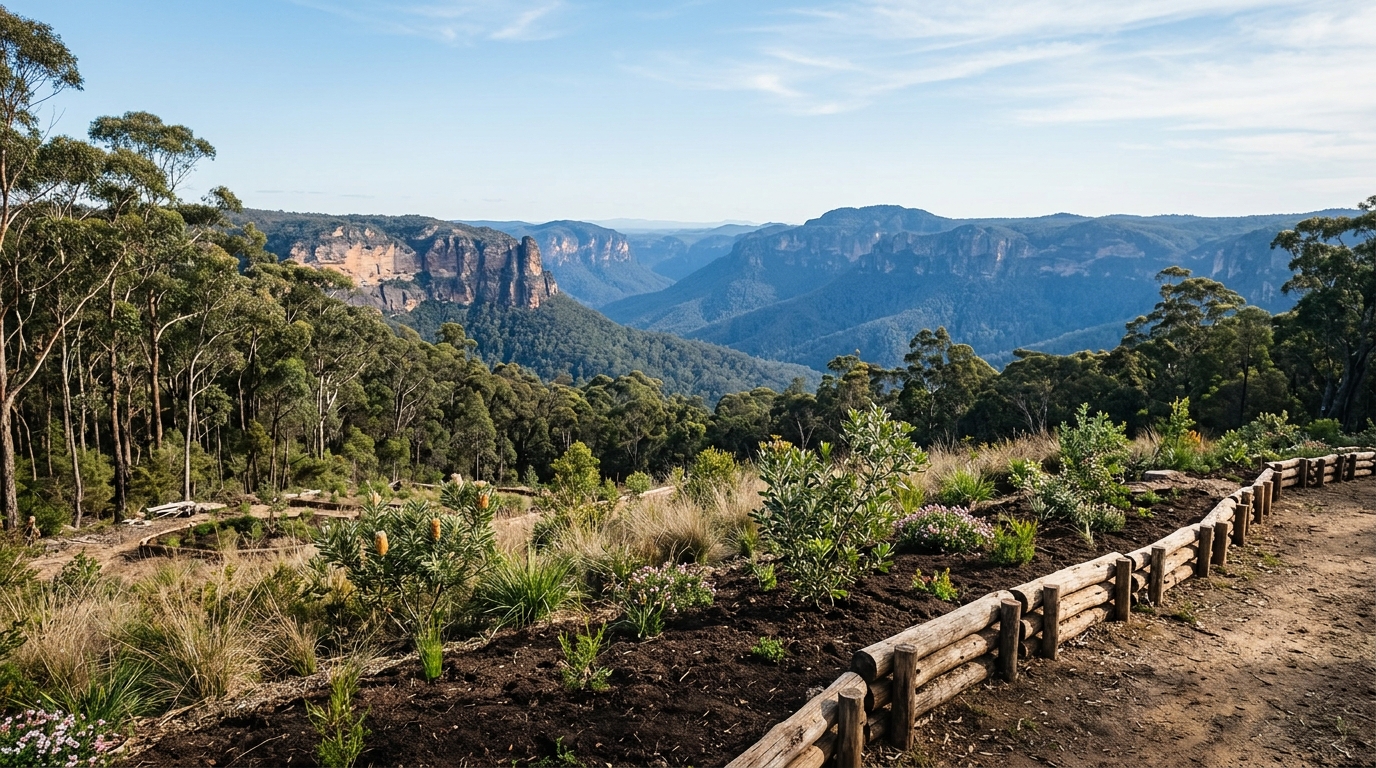
Australian regulatory context for asbestos remediation and contaminated land assessment in World Heritage areas
Any assessment and validation of contaminated soil and asbestos removal arising from this programme will be governed by the National Environment Protection (Assessment of Site Contamination) Measure 1999, as amended in 2013 (ASC NEPM 2013). The ASC NEPM 2013 is the primary national framework guiding how contaminated land is assessed, characterised, and verified in Australia. Schedule B1 of the Measure sets out health-based investigation levels for soil, and Schedule B3 provides specific guidance on ecological risk assessment, which becomes especially relevant when contamination occurs within or adjacent to a protected ecological area such as the Blue Mountains World Heritage Area. Remediation validation under the NEPM framework requires confirmatory sampling at densities sufficient to demonstrate that contamination has been reduced to below applicable investigation levels, with the required sampling density dictated by the area, depth, and heterogeneity of contamination present at each site.
References and related sources
- Primary source: www.bmcc.nsw.gov.au
- NEPM Assessment of Site Contamination
- NSW EPA
How iEnvi can help
iEnvi provides specialist consulting services relevant to this topic. Our team includes CEnvP Site Contamination Specialists with experience across contaminated land, groundwater, remediation, ecology, and regulatory compliance.
- iEnvi remediation services
- iEnvi asbestos services
- iEnvi contaminated land investigation services
- iEnvi expert services and independent review services
This is an iEnvi Machete news summary. Prepared by iEnvi to summarise the source article for contaminated land, groundwater, remediation, approvals and site risk professionals.
Published: 16 Apr 2026
Need advice on this topic? Speak to an iEnvi expert at info@ienvi.com.au or 1300 043 684, or contact us online.
Need advice on this issue? iEnvi provides practical, senior-led environmental consulting across contaminated land, remediation, ecology and environmental risk.
Team credentials Soil remediation Ecological risk assessment Contaminated land services Talk to iEnvi