
Overview
On 24 March 2026, researchers led by the University of Cambridge published a landmark study in the journal Science Advances, unveiling a novel brain-inspired computer chip material that could reduce artificial intelligence energy consumption by up to 70 per cent. This technological breakthrough addresses one of the most pressing sustainability challenges of the modern era: the exponential growth of electricity demand driven by high-parameter AI models. As corporate entities, developers, and government bodies rapidly adopt machine learning applications, the physical infrastructure supporting these technologies has placed an unprecedented burden on electrical grids. For Australian environmental professionals, sustainability advisors, and corporate legal counsels, this hardware development represents a significant shift in how the carbon footprint of digital infrastructure must be evaluated.
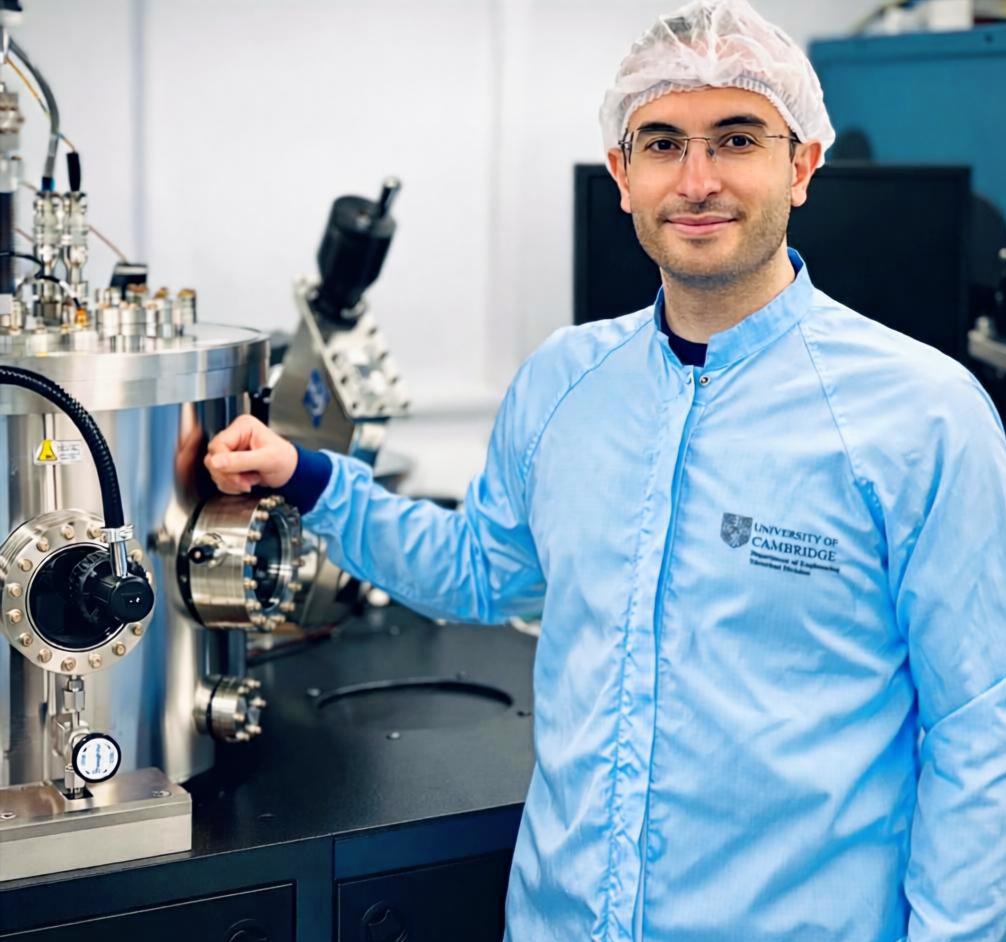
The research group successfully engineered a nanoelectronic device utilising a specialised form of hafnium oxide that operates as a highly stable, low-energy memristor. By mimicking the biological function of human synapses, this neuromorphic computing architecture effectively eliminates the traditional separation between data storage and data processing. Traditional computing relies on the constant shuttling of information between distinct memory and processor units, a structural limitation known as the von Neumann bottleneck which generates significant heat and consumes massive volumes of electricity. This new Cambridge technology integrates memory and processing directly, enabling ultra-efficient, local data processing.
Understanding this shift is critical for environmental consultants and legal advisors managing corporate sustainability disclosures and large-scale industrial developments. The rapid expansion of energy-intensive data centres across Australia is already prompting regulatory scrutiny regarding grid stability and Scope 2 emissions. By introducing a technology that can perform complex AI inference at a fraction of the current energy cost, the timeline and economic feasibility of enterprise-level sustainability strategies are set to undergo a dramatic realignment.
How Brain-Inspired Chips Reduce AI Energy Consumption
The technical foundation of the Cambridge research, detailed in Science Advances, centres on the application of hafnium oxide to create memristors, which are electronic components that can both remember and process data. In conventional silicon-based architectures, the constant transfer of data between the central processing unit and the random-access memory creates a physical constraint where the bandwidth of the bus limits processing speed and increases energy dissipation. The memristor-based hardware developed by the Cambridge team mimics synaptic connections in the human brain, allowing for in-memory computing where calculations occur within the memory cells themselves.
The researchers demonstrated that this hafnium oxide configuration achieves exceptional stability while operating at significantly lower energy thresholds than existing neuromorphic alternatives. This stability is crucial for commercial viability, as previous experimental memristor materials suffered from high degradation rates and inconsistent switching behaviours. By solving these performance issues, the new device can maintain precise electrical states over extended cycles, allowing for reliable and continuous machine learning operations.
The primary operational metric established by the study is a potential energy reduction of up to 70 per cent compared to standard computing hardware during AI tasks. This reduction is achieved not only by eliminating high-bandwidth data transport but also by reducing the associated cooling requirements. High-density graphics processing units currently used in AI training and inference generate intense thermal energy, requiring extensive liquid-cooling or air-cooling infrastructure. The low-energy operation of these hafnium oxide memristors drastically lowers heat generation, presenting a double-sided energy saving of reduced computing power and diminished cooling overheads. Cambridge Enterprise has secured the intellectual property by filing a patent, marking the initiation of the transition from a laboratory prototype to commercial licensing and manufacturing pipelines.

Impacts on Australian Data Infrastructure and NGER Compliance
While the initial material development has occurred internationally, the implications for the Australian business and professional services sectors are profound. Australia is currently experiencing a surge in data centre construction, driven by the expansion of cloud services and the localised deployment of large language models. This infrastructure boom directly collides with the strict compliance mandates of the National Greenhouse and Energy Reporting Scheme (NGER) and the newly implemented Climate-related Financial Disclosures framework. Under the Australian treasury mandates, large corporations and financial institutions are required to report detailed Scope 1, Scope 2, and eventually Scope 3 emissions. The energy consumption of third-party data centres, which represents a substantial portion of corporate Scope 3 footprints, will become a central liability for companies scaling their digital services.
Furthermore, the Australian energy market is navigating a complex transition towards renewable generation, with regional grids in New South Wales, Victoria, and Queensland facing capacity pressures. The deployment of AI-driven systems within municipal operations, environmental monitoring, and corporate logistics has previously threatened to offset gains made through carbon reduction programmes. If Australian enterprise deployments transition to neuromorphic hardware capable of reducing operational energy demands by 70 per cent, the projection models for corporate grid consumption will require major adjustments.
The arrival of commercially viable neuromorphic chips offers Australian environmental consultants, sustainability advisors, and corporate counsels a tangible lever to reconcile rapid AI adoption with binding emissions disclosure obligations, and stakeholders should begin factoring this hardware shift into procurement guidance, climate risk assessments, and long-term Scope 2 and Scope 3 reduction roadmaps.
References and related sources
- Primary source: www.enterprise.cam.ac.uk
How iEnvi can help
iEnvi provides specialist consulting services relevant to this topic. Our team includes CEnvP Site Contamination Specialists with experience across contaminated land, groundwater, remediation, ecology, and regulatory compliance.
- iEnvi contaminated land investigation services
- iEnvi remediation and validation services
- iEnvi expert services and independent review services
This is an iEnvi Machete news summary. Prepared by iEnvi to summarise the source article for contaminated land, groundwater, remediation, approvals and site risk professionals.
Published: 17 Jun 2026
Need advice on this topic? Speak to an iEnvi expert at info@ienvi.com.au or 1300 043 684, or contact us online.
Need advice on this issue? iEnvi provides practical, senior-led environmental consulting across contaminated land, remediation, ecology and environmental risk.
Team credentials Contaminated land services Remediation services Groundwater services Talk to iEnvi