
Overview
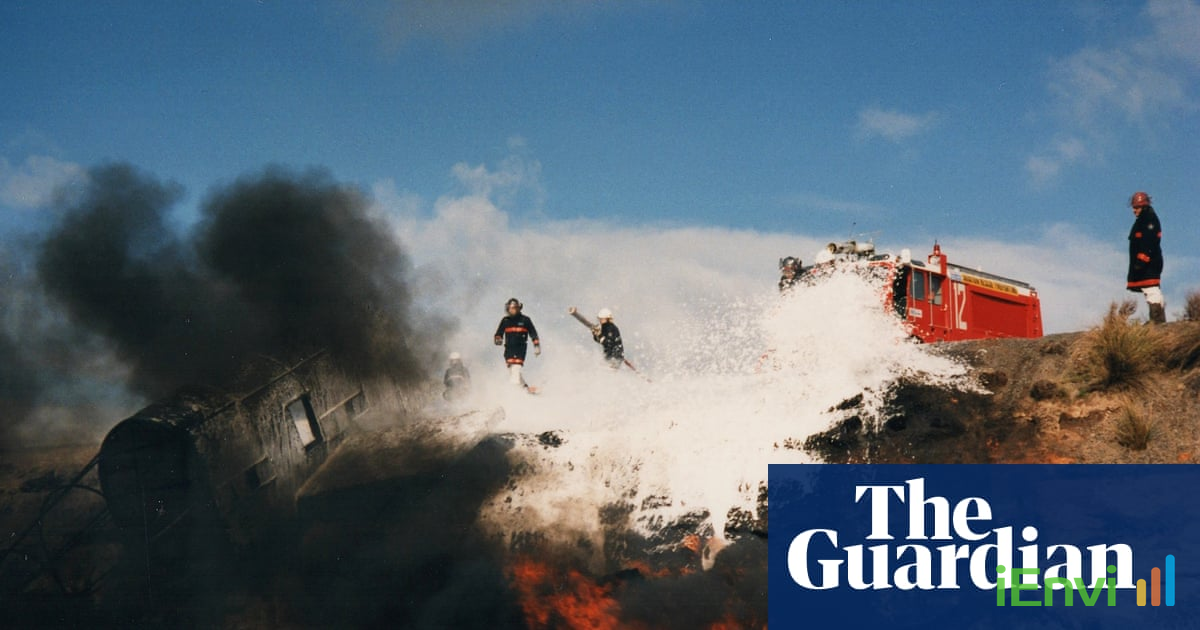
Newly lodged court filings in the Federal Court of Australia allege that American manufacturer 3M knew for more than 50 years that its aqueous film-forming foam (AFFF) products, containing per- and polyfluoroalkyl substances (PFAS), were toxic to humans and animals and highly persistent in soil and water. The claim forms part of the Commonwealth’s $2 billion lawsuit against 3M and its Australian subsidiary over PFAS contamination at 28 Department of Defence bases across the country, reported by The Guardian on 18 August 2026. This is understood to be the largest environmental legal claim ever brought by the Australian Commonwealth government.
For environmental professionals working in contaminated land, this proceeding matters well beyond the defence estate. It puts corporate knowledge and historical decision making squarely into a legal record that consultants, insurers, and property lawyers will reference for years. Where a manufacturer’s internal documents are found to demonstrate decades of awareness of bioaccumulation and toxicity, every subsequent conversation about legacy contamination, from airport fire training grounds to industrial sites that stored AFFF, becomes harder to frame as an unforeseeable historical practice.
Developers, councils, and legal teams handling due diligence or planning approvals on sites with any firefighting or fire training history should treat this filing as a signal that PFAS liability exposure is moving from a technical risk category into a well documented legal one. The statement of claim itself, even before judgement, changes the evidentiary landscape that site auditors and expert witnesses will draw on in future disputes.
Key details
The Commonwealth’s statement of claim alleges that internal 3M documents show the company understood, for over five decades, that PFAS compounds used in its AFFF products caused reduced kidney function, altered immune response, and reproductive and developmental impacts in exposed animals and humans. The claim also alleges the company knew these compounds bioaccumulate in living tissue and persist in the environment largely unchanged, the defining characteristic that has earned PFAS the “forever chemicals” label.
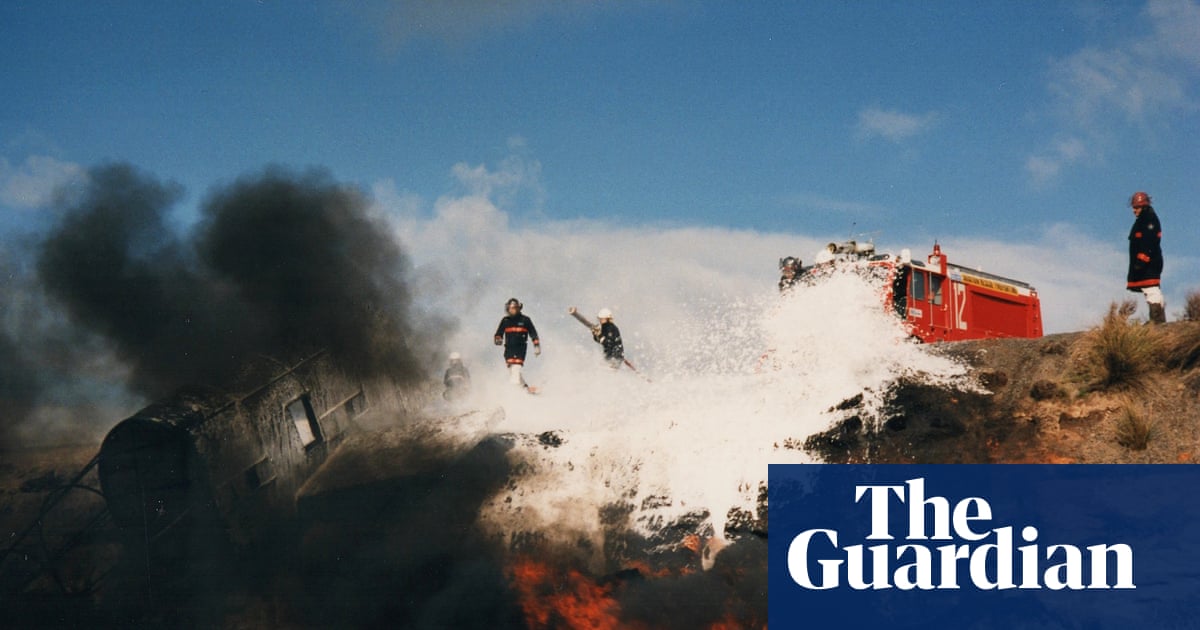
The lawsuit covers PFAS contamination across 28 Department of Defence bases nationwide, where AFFF was routinely used for fire suppression and training exercises over several decades. This scale of contamination is consistent with what environmental consultants have already documented at numerous defence, aviation, and emergency services sites through PFAS management area investigations conducted since the mid 2010s. The $2 billion claim figure reflects the anticipated cost of long-term remediation, monitoring, and compensation across this network of sites, though the final liability will depend on how the Federal Court weighs the evidence of corporate knowledge against causation and damages.
Legally, the action sits within general civil liability principles rather than a specific PFAS statute, since Australia does not yet have dedicated PFAS liability legislation. The Commonwealth is instead relying on common law causes of action, supported by the regulatory backdrop of the Environment Protection and Biodiversity Conservation Act 1999 and the technical assessment framework under the National Environment Protection (Assessment of Site Contamination) Measure 2013 (NEPM 2013). The PFAS National Environmental Management Plan (PFAS NEMP), now in its later iterations under the Heads of EPA Australia and New Zealand (HEPA) and the Department of Climate Change, Energy, the Environment and Water (DCCEEW), continues to guide investigation and management levels referenced in these matters.
What distinguishes this filing from prior PFAS class actions, such as those settled around Williamtown, Oakey, and Katherine, is the explicit focus on manufacturer knowledge rather than solely on Commonwealth land management practices. Previous Australian PFAS litigation largely targeted the Department of Defence as landholder and generator. This claim instead pursues the chemical manufacturer directly, mirroring the strategy used in major US settlements where 3M and other AFFF manufacturers agreed to multi-billion dollar payouts over municipal water contamination.
PFAS NEMP implications for Australian site assessments
Australian practitioners already work within a mature PFAS regulatory structure, but this litigation reinforces why conceptual site models (CSMs) built around AFFF usage need forensic rigour, not assumption. Where a site has any history of fire training, bulk fuel storage with foam suppression systems, or emergency response activity, the historical record of AFFF product type, application volume, and disposal practice becomes directly relevant to both technical risk characterisation and legal exposure. NEPM 2013 health investigation levels and ecological investigation levels remain the primary assessment benchmarks, but the PFAS NEMP’s guidance on managing PFAS-impacted groundwater, surface water, and biosolids continues to be the practical reference point for site management plans.
The Australian and New Zealand Guidelines for Fresh and Marine Water Quality (ANZG) default guideline values for PFOS and PFOA in aquatic ecosystems remain central to assessing off-site migration risk, particularly for sites near sensitive receiving environments such as estuaries, wetlands, or drinking water catchments. Given that PFAS compounds migrate readily through groundwater due to their high solubility and low sorption to soil, multi-depth monitoring well networks and surface water transect sampling are standard requirements for any site assessment where AFFF use is suspected or confirmed.
This case also has implications for how consultants approach state-based contaminated land frameworks, including NSW’s contaminated land regime under the Contaminated Land Management Act 1997 and equivalent statutes in other jurisdictions. Where a manufacturer’s knowledge of product hazards becomes an established part of the evidentiary record, questions of duty to report, historical due diligence, and apportionment of remediation liability between site owners, occupiers, and product suppliers will need to be revisited. Consultants preparing site audit statements, remediation action plans, or expert evidence should watch this proceeding closely, as its findings on corporate knowledge and causation are likely to shape how PFAS liability is argued and allocated across the Australian contaminated land sector for years to come.
References and related sources
- Primary source: www.theguardian.com
- claytonutz.com
- alp.org.au
- facebook.com
- PFAS National Environmental Management Plan (NEMP)
How iEnvi can help
iEnvi provides specialist consulting services relevant to this topic. Our team includes CEnvP Site Contamination Specialists with experience across contaminated land, groundwater, remediation, ecology, and regulatory compliance.
- iEnvi groundwater services
- iEnvi remediation and validation services
- iEnvi expert services and independent review services
This is an iEnvi Machete news summary. Prepared by iEnvi to summarise the source article for contaminated land, groundwater, remediation, approvals and site risk professionals.
Published: 18 Aug 2026
Need advice on this topic? Speak to an iEnvi expert at info@ienvi.com.au or 1300 043 684, or contact us online.
Need advice on this issue? iEnvi provides practical, senior-led environmental consulting across contaminated land, remediation, ecology and environmental risk.
Team credentials Environmental management plans Contaminated land advice Remediation services Talk to iEnvi