
The Shift to Modular AI Factory Manufacturing
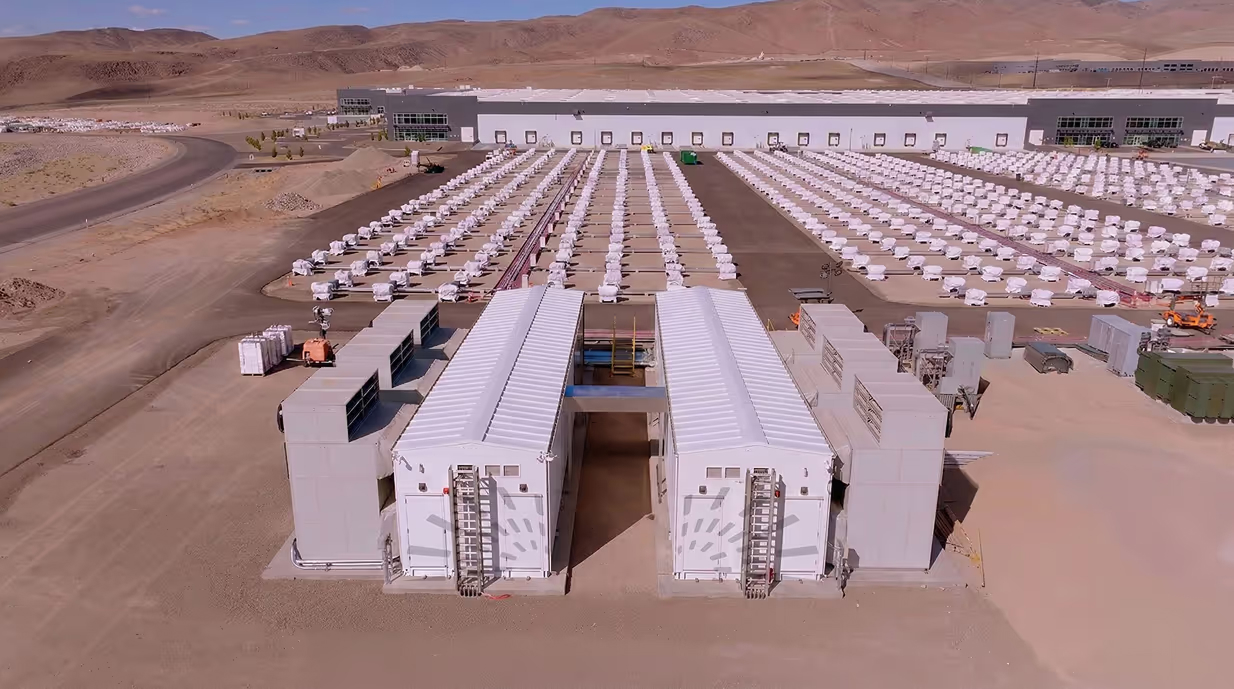
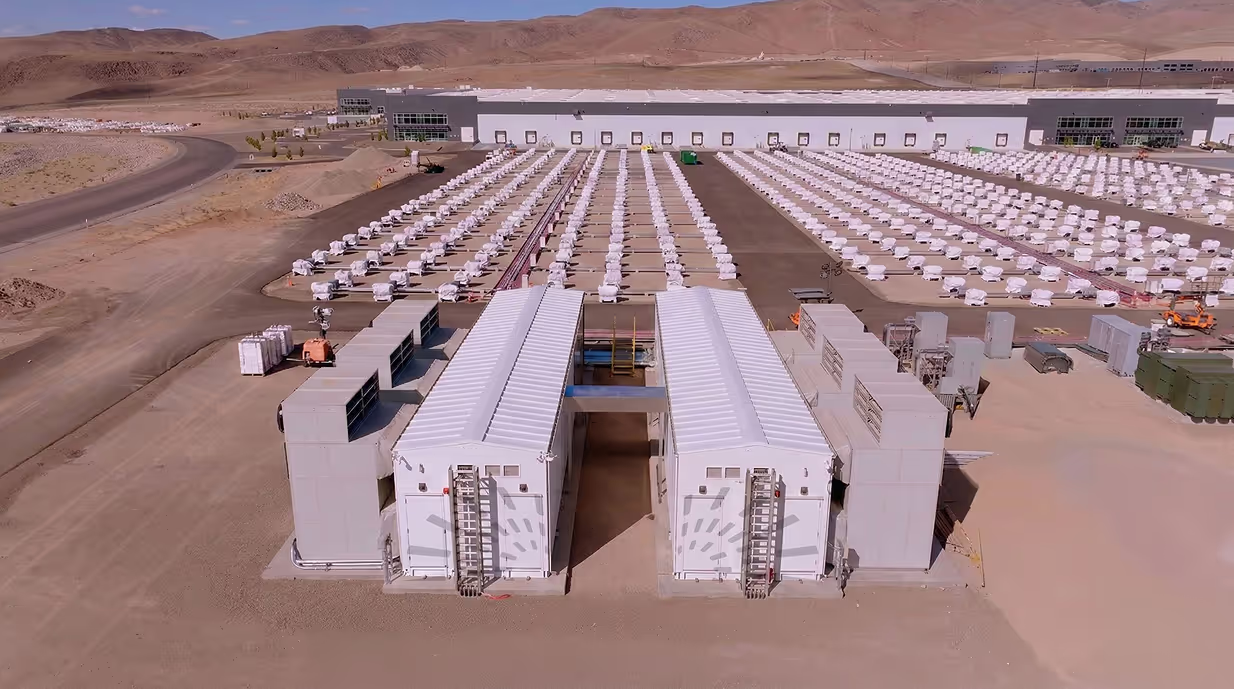
The global expansion of artificial intelligence infrastructure is undergoing a structural pivot, moving away from slow, site-specific civil construction toward high-velocity, modular manufacturing. On March 12, 2024, Crusoe, an integrated artificial intelligence infrastructure provider, announced the establishment of a new specialised manufacturing plant in Brighton, Colorado, known as the Crusoe Spark Factory. This facility is dedicated to the in-house production of Crusoe Spark, a turnkey, prefabricated modular artificial intelligence factory designed to bypass traditional construction bottlenecks. The launch coincides with the introduction of Crusoe Edge Zones, a cloud offering designed to deploy low-latency, sovereign computing capacity in targeted jurisdictions worldwide. This announcement signals a deeper shift in how digital infrastructure is delivered, shifting the bottleneck from local construction supply chains to controlled, industrialised assembly lines.
For Australian property developers, infrastructure planners, local councils, and environmental legal advisers, this industrialisation of data centre deployment represents a critical shift in asset lifecycle management. Historically, the delivery of high-density computing infrastructure in Australia has been constrained by long planning approval cycles, utility connection delays, and the complex civil engineering required to support massive thermal and power loads. By transitioning from bespoke physical building projects to repeatable, product-based deployments, developers and energy providers can drastically compress project timelines. This modular approach allows stakeholders to decouple the computing hardware from permanent, heavy-footprint civil structures, reshaping how land is utilised, valued, and rehabilitated.
As the demand for localised, high-performance computing intensifies across Australia, driven by sovereign data mandates and low-latency applications, the physical nature of these installations must be reassessed. Traditional data centre developments often lock up capital and land for years before the first server is energised. The introduction of factory-built, self-contained modular units allows for a more agile deployment strategy, enabling placement closer to energy generation assets or within existing industrial zones without requiring extensive structural overhauls. Understanding the engineering, regulatory, and planning implications of this modular transition is essential for professionals navigating the intersection of technology, real estate, and environmental compliance.
Inside the Crusoe Spark Factory and Edge Zones Rollout
The Crusoe Spark Factory in Brighton, Colorado, serves as the manufacturing hub for the Crusoe Spark modular units, enabling the company to scale its cloud platform and managed inference services. This vertical integration covers the entire infrastructure stack, including energy sourcing, the manufacturing of both modular and hyperscale data centres, and the operational cloud platform. By controlling the manufacturing process in-house, the design moves away from site-specific construction, where civil engineering, local weather conditions, and bespoke designs frequently introduce variability and delay. Instead, the prefabricated units are delivered as standardised products, ensuring consistent performance, quality control, and rapid deployment timelines.
Each Crusoe Spark unit is engineered as a self-contained, turnkey system that integrates all necessary support infrastructure. This includes high-density power distribution, specialised cooling systems, remote monitoring hardware, and physical security measures. The modular units are specifically designed to house high-thermal-design-power computing hardware, accommodating advanced accelerators such as the NVIDIA GB200, B200, H200, and H100, as well as the AMD MI300X and MI355X. These hardware configurations require highly efficient, specialised thermal management systems to handle the immense heat generated by dense GPU clusters, a challenge that is pre-engineered and resolved within the factory-built envelope rather than resolved via custom on-site HVAC design.
A key operational aspect of this modular strategy is its alignment with the newly launched Crusoe Edge Zones. These zones are designed to bring high-performance computing closer to where data is generated and consumed, facilitating low-latency inference, on-premise deployments, and sovereign data compliance. By delivering compute capacity in a standardised, modular form factor, these installations can be positioned in diverse environments, from urban fringe locations to remote industrial sites. The integration of advanced remote monitoring within each unit ensures that operational efficiency, cooling performance, and electrical load balancing can be managed centrally, reducing the requirement for on-site technical personnel and minimising localised operational risks.
Australian context
The introduction of modular artificial intelligence factories has direct parallels and profound implications for the Australian professional services, planning, and property sectors. Currently, major metropolitan markets like Sydney and Melbourne are experiencing severe grid capacity constraints and land scarcity in traditional industrial zones, such as Western Sydney and Lane Cove. Under the National Electricity Market rules governed by the Australian Energy Market Operator, securing high-voltage power allocations for traditional, large-scale data centres can take several years. Modular units, which can be deployed incrementally and co-located directly with stranded or renewable energy sources, present a viable alternative pathway for developers seeking to bypass grid congestion.
From a regulatory and planning perspective, modular infrastructure alters how development applications are assessed. In states like New South Wales, Victoria, and Queensland, planning frameworks have traditionally focused on the assessment of fixed, long-life civil structures, with development applications evaluating site coverage, thermal discharge, water use, and acoustic impact over multi-decade horizons. Prefabricated, relocatable compute units challenge this assumption by introducing assets that may be installed, scaled, or decommissioned within shorter cycles. Councils and state planning authorities will need to consider how environmental impact assessments, contamination management plans, and end-of-life rehabilitation obligations apply to assets that behave more like industrial plant equipment than permanent buildings.
There are also significant environmental considerations for Australian stakeholders. Co-locating modular AI units with renewable generation, such as solar and wind farms in regional New South Wales, Victoria, and South Australia, could absorb curtailed energy that would otherwise be wasted during periods of oversupply. However, water use for cooling, embodied carbon in the prefabricated units, and the responsible handling of high-density electronic waste at end of life remain key issues for environmental advisers and compliance teams. As modular deployments become more common, Australian developers and councils will need clearer guidance on how to integrate these assets into existing environmental planning instruments, ensuring that the speed advantages of factory-built infrastructure do not come at the cost of long-term environmental accountability.
References and related sources
- Primary source: www.crusoe.ai
How iEnvi can help
iEnvi provides specialist consulting services relevant to this topic. Our team includes CEnvP Site Contamination Specialists with experience across contaminated land, groundwater, remediation, ecology, and regulatory compliance.
- iEnvi contaminated land investigation services
- iEnvi remediation and validation services
- iEnvi expert services and independent review services
This is an iEnvi Machete news summary. Prepared by iEnvi to summarise the source article for contaminated land, groundwater, remediation, approvals and site risk professionals.
Published: 17 Jun 2026
Need advice on this topic? Speak to an iEnvi expert at info@ienvi.com.au or 1300 043 684, or contact us online.
Need advice on this issue? iEnvi provides practical, senior-led environmental consulting across contaminated land, remediation, ecology and environmental risk.
Team credentials Contaminated land services Remediation services Groundwater services Talk to iEnvi