
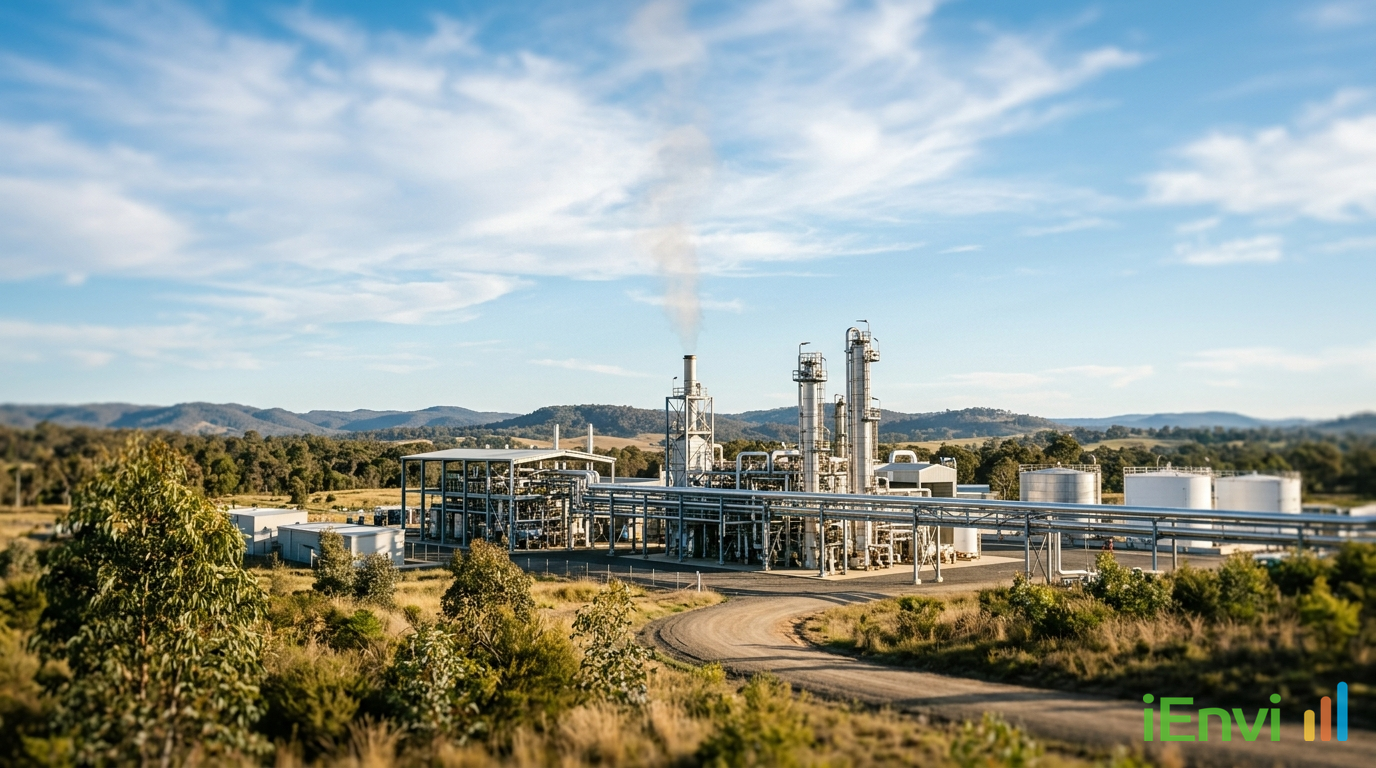
Overview
New data released on 15 April 2026 by the Department of Climate Change, Energy, the Environment and Water (DCCEEW) confirms that net emissions across facilities covered by the Safeguard Mechanism have fallen 12% in total since the reformed policy commenced, with a 5.5% year-on-year reduction recorded in the most recent reporting period. In absolute terms, onsite emissions are now 5.8 million tonnes lower than two years ago, a reduction equivalent to removing more than 2 million passenger vehicles from Australian roads or eliminating roughly 60% of the country’s domestic aviation emissions in a single year. The figures were published alongside Australia’s National Inventory Report 2024, which covers the 2023-24 financial year and incorporates updated climate data together with revised emissions calculation methodologies, with particular improvements made to land sector emissions estimates.
The release carries weight beyond the headline numbers. It confirms that the reformed Safeguard Mechanism, legislated under the National Greenhouse and Energy Reporting Act 2007 (NGER Act), is producing measurable behavioural change at the facility level rather than simply generating administrative paperwork. Industrial operators are investing capital in electrification, sovereign renewable energy integration, and onsite gas capture technologies to stay beneath tightening baselines. Notably, the total number of facilities covered by the Safeguard Mechanism has declined as some operators have successfully decarbonised below the policy’s 100,000 tonne Scope 1 emissions threshold, which represents a direct and intended consequence of the baseline-setting framework.
For environmental professionals advising developers, industrial clients, financiers, and local governments, this data represents more than a policy win. It signals a structural shift in how Australian industry is approaching emissions management, one that has direct consequences for the volume and character of technical consulting work, the design of site-level compliance programmes, and the feasibility of investment decisions in carbon-intensive sectors. The pipeline of work is not shrinking; it is becoming more technically complex and concentrated in the hard-to-abate sectors that cannot decarbonise through straightforward electrification alone.
Key details of the Safeguard Mechanism emissions reduction data
The 12% total reduction in net emissions across Safeguard Mechanism facilities since reforms commenced translates to a verified reduction of 5.8 million tonnes of carbon dioxide equivalent (CO2-e) from covered facilities. The 5.5% year-on-year figure recorded in the National Inventory Report 2024 (covering 2023-24) is the most recent single-period measurement available and represents a sustained trajectory rather than a one-off anomaly. Broader quarterly data referenced in the DCCEEW release indicates that non-land emissions across the Australian economy are now falling at one of the fastest rates recorded outside the COVID-19 period, and are declining at triple the rate achieved under the previous policy framework.
The Safeguard Mechanism applies to facilities with Scope 1 greenhouse gas emissions exceeding 100,000 tonnes CO2-e per year. Under the reformed framework, individual facility baselines decline annually, creating a financial incentive for operators to invest in genuine abatement rather than rely indefinitely on the purchase of Australian Carbon Credit Units (ACCUs) to cover excess emissions. The mechanism covers Australia’s largest industrial emitters across sectors including natural gas processing, liquefied natural gas (LNG) production, mining, manufacturing, and electricity generation. The legislated authority for the scheme sits within the NGER Act 2007, which requires covered facilities to monitor, measure, and report emissions using approved methodologies set out in the National Greenhouse and Energy Reporting (Measurement) Determination.
The National Inventory Report 2024 also incorporated meaningful updates to emissions calculation methodologies, with refinements specifically targeting land sector emissions estimates. These methodology revisions improve the accuracy of the national inventory and are relevant to compliance practitioners because they affect the baseline figures against which facility performance is assessed over time. For facilities operating complex processes, including those involving combustion of mixed fuels, fugitive emissions from gas handling, or process emissions from chemical manufacturing, the updates to approved methodologies can materially affect reported emissions totals. Consultants and carbon accountants should verify that their facility clients are using current approved calculation methods rather than earlier versions that may no longer reflect best-practice emissions factors.
The decline in the number of facilities actively covered by the Safeguard Mechanism is a technically important data point. When a facility’s Scope 1 emissions fall below the 100,000 tonne threshold, it exits the scheme and loses both the compliance obligations and the associated administrative burden under the NGER Act. This creates a genuine financial and operational incentive for operators sitting just above the threshold to prioritise onsite abatement, fuel switching, or process efficiency improvements. The outcome is that the remaining covered facilities are, on average, larger emitters with more complex abatement challenges, which concentrates consulting demand around technically demanding feasibility assessments and innovative technology deployment rather than routine compliance administration.
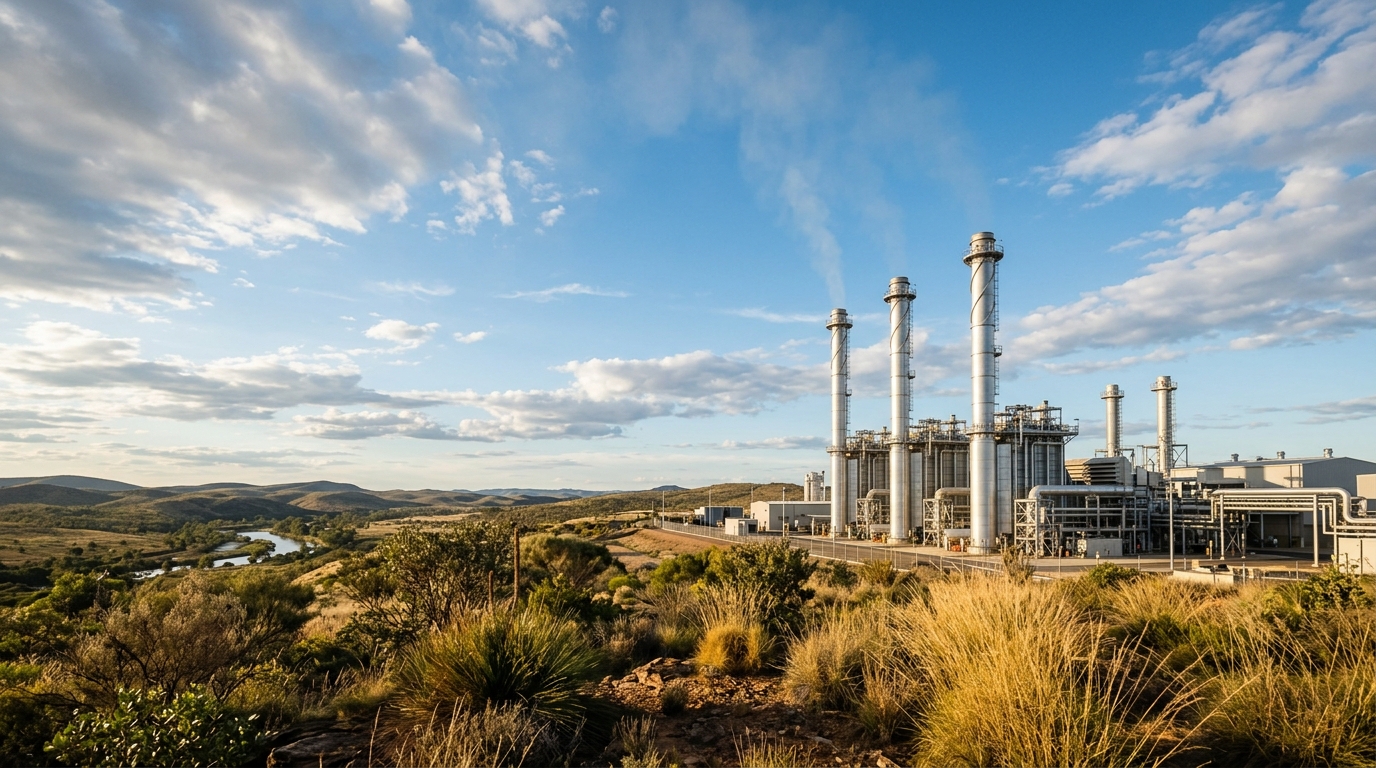
Australian regulatory context for Safeguard Mechanism compliance and emissions reporting
The Safeguard Mechanism reforms that underpinned these results were introduced through amendments to the NGER Act 2007 and the Clean Energy Legislation (Safeguard Mechanism) Amendment Act 2023, which established the framework of declining facility baselines, the tradeable Safeguard Mechanism Credits (SMCs), and the associated reporting and compliance obligations that now govern Australia’s largest industrial emitters.
References and related sources
- Primary source: minister.dcceew.gov.au
How iEnvi can help
iEnvi provides specialist consulting services relevant to this topic. Our team includes CEnvP Site Contamination Specialists with experience across contaminated land, groundwater, remediation, ecology, and regulatory compliance.
- iEnvi contaminated land investigation services
- iEnvi remediation and validation services
- iEnvi expert services and independent review services
This is an iEnvi Machete news summary. Prepared by iEnvi to summarise the source article for contaminated land, groundwater, remediation, approvals and site risk professionals.
Published: 16 Apr 2026
Need advice on this topic? Speak to an iEnvi expert at info@ienvi.com.au or 1300 043 684, or contact us online.
Need advice on this issue? iEnvi provides practical, senior-led environmental consulting across contaminated land, remediation, ecology and environmental risk.
Team credentials Contaminated land services Remediation services Groundwater services Talk to iEnvi