
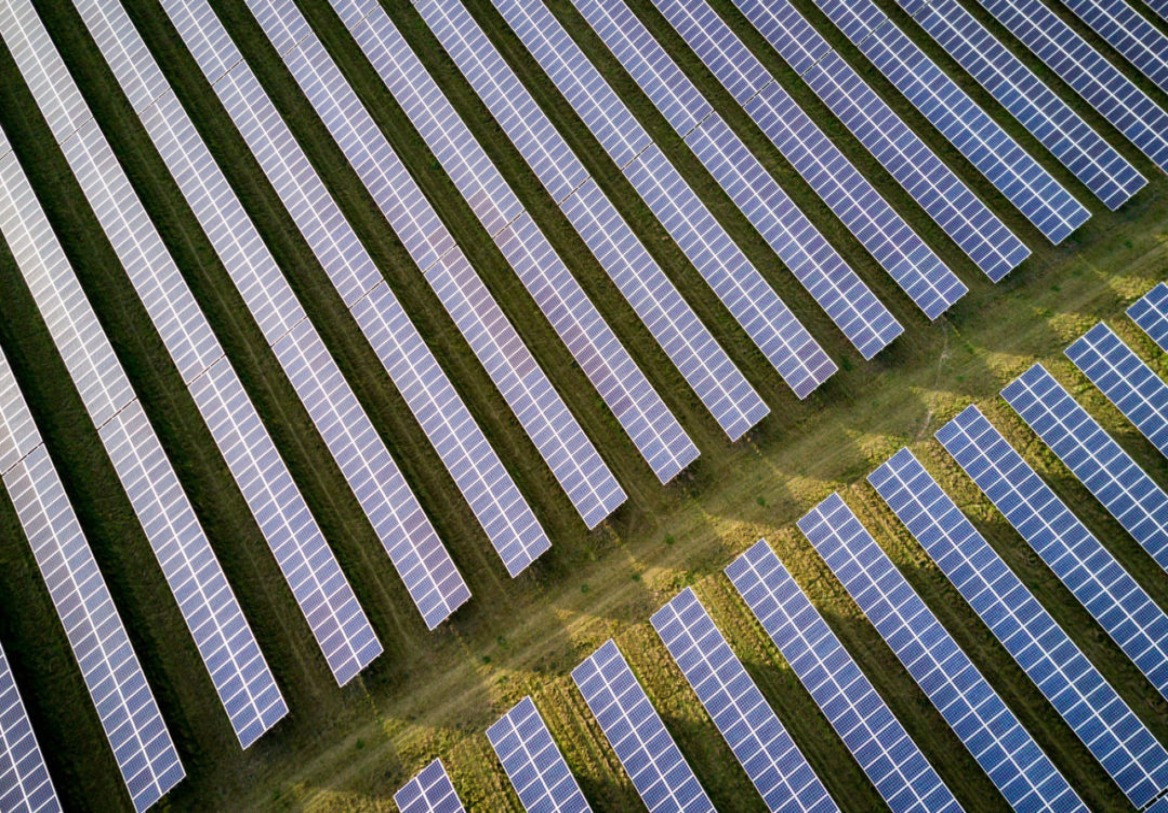
National Solar Panel Recycling Pilot: DCCEEW Tender Overview
The Australian Government’s Department of Climate Change, Energy, the Environment and Water (DCCEEW) released a $24.7 million tender on 31 March 2026 seeking an administrator to deliver a National Solar Panel Recycling Pilot. The pilot will establish approximately 100 collection sites across Australia and test real-world methods for collecting, transporting, and recycling up to 250,000 end-of-life photovoltaic (PV) panels sourced primarily from households and small commercial businesses, with a limited volume from utility-scale solar farms. The tender is open via AusTender and closes at 5:00 pm AEST on 24 April 2026.
This initiative is not simply a waste management exercise. It is the foundational step toward a mandatory national product stewardship scheme for solar PV waste, and the data gathered will directly shape future regulatory frameworks, compliance thresholds, and circular economy obligations across Australia. For environmental consultants, waste managers, facility operators, and ESG professionals, the pilot marks the point at which end-of-life solar panel disposal transitions from a largely unregulated afterthought into a structured, governed liability with measurable compliance requirements.
Australia’s rooftop solar uptake is among the highest in the world per capita, and the sheer volume of panels installed during the industry’s early growth phase from the mid-2000s onwards means a substantial wave of decommissioned panels is already arriving. Without dedicated infrastructure and regulatory clarity, the default pathway for these panels is landfill, which presents significant risks given the hazardous materials found in some panel types, including lead, cadmium, and selenium compounds. This pilot is designed to prevent that outcome from becoming the norm.
Key details of the $24.7 million National Solar Panel Recycling Pilot tender
The DCCEEW tender calls for a single administrator to design, coordinate, and operate the pilot programme at scale. The 100 collection sites are intended to be distributed nationally, with particular attention to the logistical and economic challenges faced in regional and remote areas where transport costs routinely make recycling economically unviable compared to landfill disposal. This geographic focus is one of the most technically significant aspects of the pilot, as the cost-per-panel recovery rate in outer regional and remote locations is a critical unknown that currently prevents private recyclers from servicing those markets.
The 250,000 panel target represents a substantial test volume. The primary feedstock for the pilot is residential and small commercial waste, reflecting the fact that Australia’s rooftop solar fleet is dominated by sub-100 kilowatt systems. The inclusion of a limited allocation for solar farm decommissioning waste acknowledges that utility-scale retirement is beginning but signals that the pilot’s primary purpose is to solve the distributed collection problem rather than the relatively simpler logistics of bulk farm decommissioning. Framing the pilot this way is deliberate: if household and commercial collection can be made to work economically, the regulatory case for mandatory product stewardship becomes far more defensible.
Solar PV panels contain recoverable materials including glass (which comprises roughly 75 per cent of panel weight by mass), aluminium frames, copper wiring, silver contact strips, and semiconductor materials such as silicon. Crystalline silicon panels, which dominate the Australian residential market, also contain small quantities of lead in the solder used to connect cells. Thin-film panel types, including cadmium telluride variants, contain higher concentrations of hazardous materials, which affects their classification under state and territory waste legislation and the conditions under which they can be transported and stored. The pilot will generate data on material recovery rates across different panel types and ages, which is critical for setting future regulatory baselines.
The data collected during the pilot is explicitly intended to inform the Australian Government Circular Economy Framework and the future National Recycling and Product Stewardship Scheme for Solar Panels. This means the collection efficiency figures, transport cost data, and material recovery rates documented during the pilot will function as the evidentiary basis on which future mandatory obligations are designed and costed. Consultants and clients who engage with the pilot, or who simply monitor its progress, will be better positioned to anticipate the compliance costs that will flow from the eventual scheme.
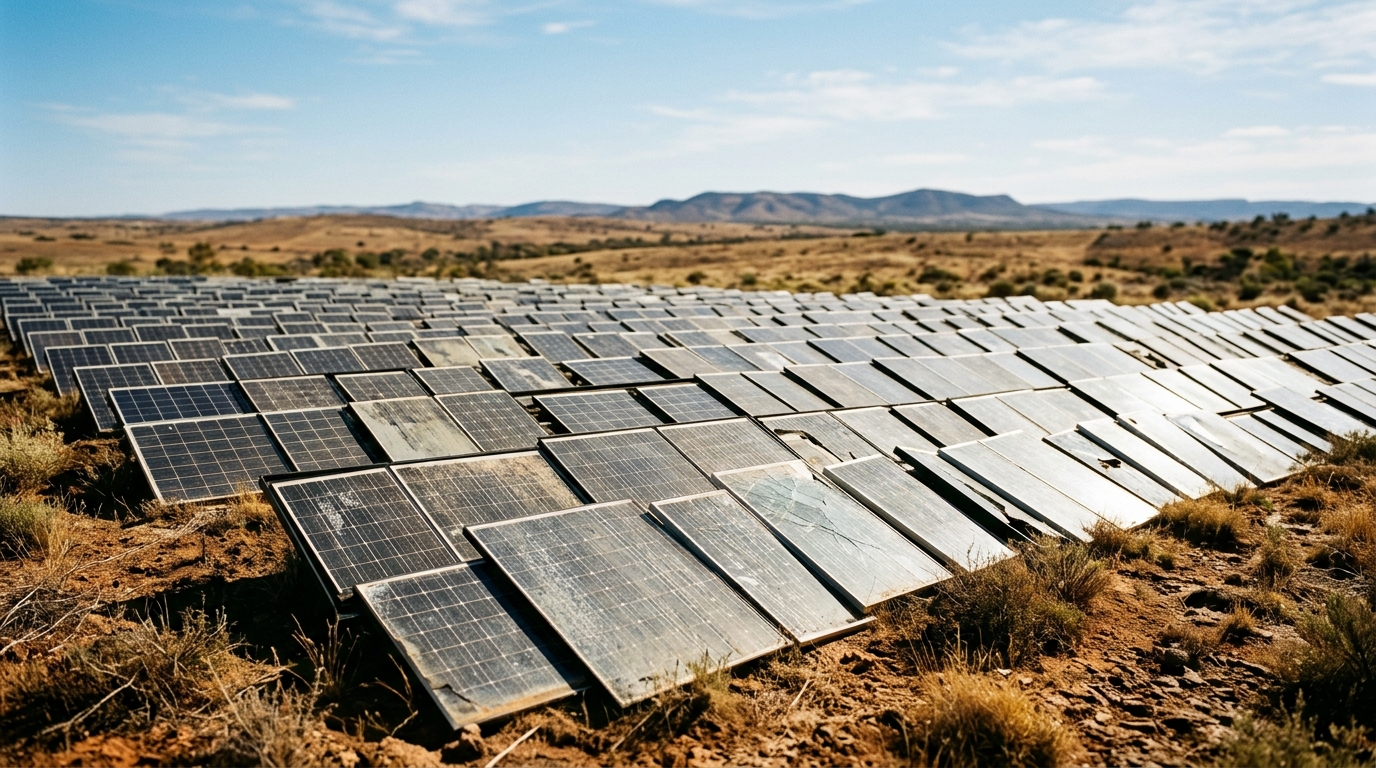
Australian context: solar PV waste, product stewardship regulation, and e-waste frameworks
Solar panels are currently classified as e-waste in most Australian states and territories, but there is no nationally consistent regulatory framework governing their end-of-life management. The Product Stewardship Act 2011 (Cth) provides the legislative mechanism through which a mandatory national scheme could be established, and solar panels have been on the government’s product stewardship priority list for several years. The National Television and Computer Recycling Scheme (NTCRS), which has operated since 2011 under the Product Stewardship Act, provides the closest operational precedent: a co-regulatory model funded by industry through importer and manufacturer levies, with free consumer drop-off points distributed nationally. The solar PV pilot appears designed to test whether a similar model is feasible given the considerably greater size, weight, and transport complexity of solar panels compared with televisions and computers.
State and territory e-waste regulations vary considerably. Victoria banned e-waste from landfill in July 2019, making it the most advanced jurisdiction in this area. New South Wales ope
Background and context
DCCEEW Launches $24.7M Tender for National Solar Panel Recycling Pilot to Tackle Looming E-Waste Crisis
The Australian Government’s Department of Climate Change, Energy, the Environment and Water (DCCEEW) has officially opened an approach to market seeking an administrator to deliver a $24.7 million National Solar Panel Recycling Pilot. The initiative will establish approximately 100 collection sites nationwide to test practical, real-world methods for collecting, transporting, and recycling up to 250,000 end-of-life solar panels primarily from households and businesses, with a limited number from solar farms. A major focus of the pilot will be solving the logistical and economic challenges of transporting decommissioned panels, particularly from regional and remote areas. The tender is currently open via AusTender and closes at 5:00 pm AEST on 24 April 2026.
Why It Matters for Environmental Professionals and Their Clients:
Australia has installed millions of rooftop solar panels that are now rapidly approaching the end of their operational life, creating a massive impending waste liability that would otherwise end up in landfill. For environmental consultants, waste managers, and ESG professionals, this pilot is the foundational step toward a permanent, mandatory national product stewardship scheme for solar photovoltaic (PV) waste. The data gathered from this $24.7M pilot will directly dictate future regulatory frameworks, compliance costs, and circular economy strategies. Clients undertaking large-scale renewable energy upgrades or decommissioning legacy solar infrastructure will soon need to integrate these emerging recycling pathways into their environmental management and ESG reporting frameworks.
The Publication Date of the Source Article:
A One-Line Headline Summary of This Story:
References and related sources
- Primary source: www.australianmanufacturing.com.au
How iEnvi can help
iEnvi provides specialist consulting services relevant to this topic. Our team includes CEnvP Site Contamination Specialists with experience across contaminated land, groundwater, remediation, ecology, and regulatory compliance.
- iEnvi ESG services
- iEnvi contaminated land investigation services
- iEnvi remediation and validation services
- iEnvi expert services and independent review services
This is an iEnvi Machete news summary. Prepared by iEnvi to summarise the source article for contaminated land, groundwater, remediation, approvals and site risk professionals.
Published: 03 Apr 2026
Need advice on this topic? Speak to an iEnvi expert at info@ienvi.com.au or 1300 043 684, or contact us online.
Need advice on this issue? iEnvi provides practical, senior-led environmental consulting across contaminated land, remediation, ecology and environmental risk.
Team credentials Contaminated land services Remediation services Groundwater services Talk to iEnvi