
Overview
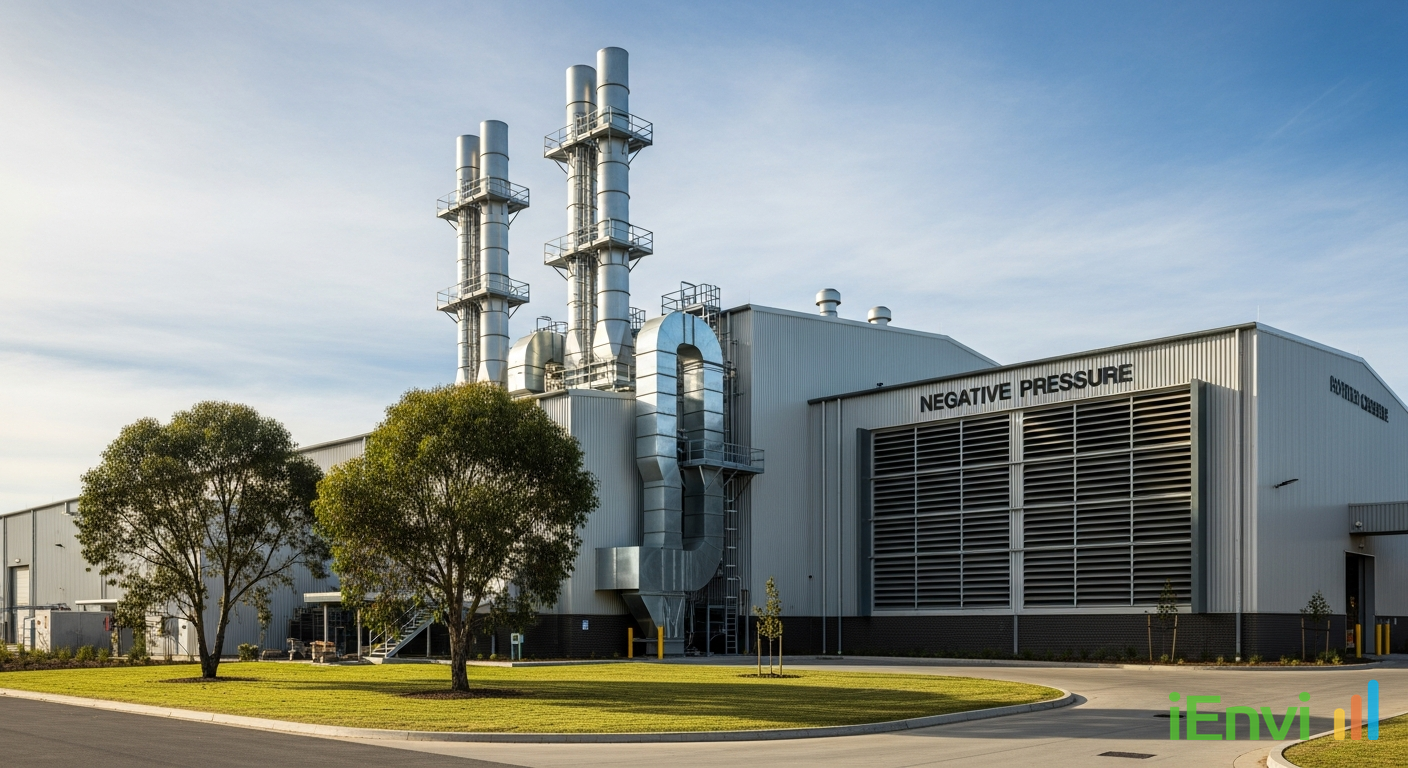
EPA Victoria formally approved a Development Licence for JBS Pork Australia Pty Ltd on 11 June 2024, authorising construction of a new rendering plant at 52-58 Pipe Road, Laverton North. The decision follows a technically rigorous assessment process and a period of community consultation, and it represents one of the more detailed examples of how EPA Victoria is operationalising the General Environmental Duty under the Environment Protection Act 2017 (Vic) through prescriptive, technology-based licence conditions. For environmental consultants, industrial developers, and planning lawyers operating in Victoria, the decision is worth examining closely because it illustrates exactly how the regulatory gap between a Development Licence and an Operating Licence is being administered in practice for high-risk industrial facilities.
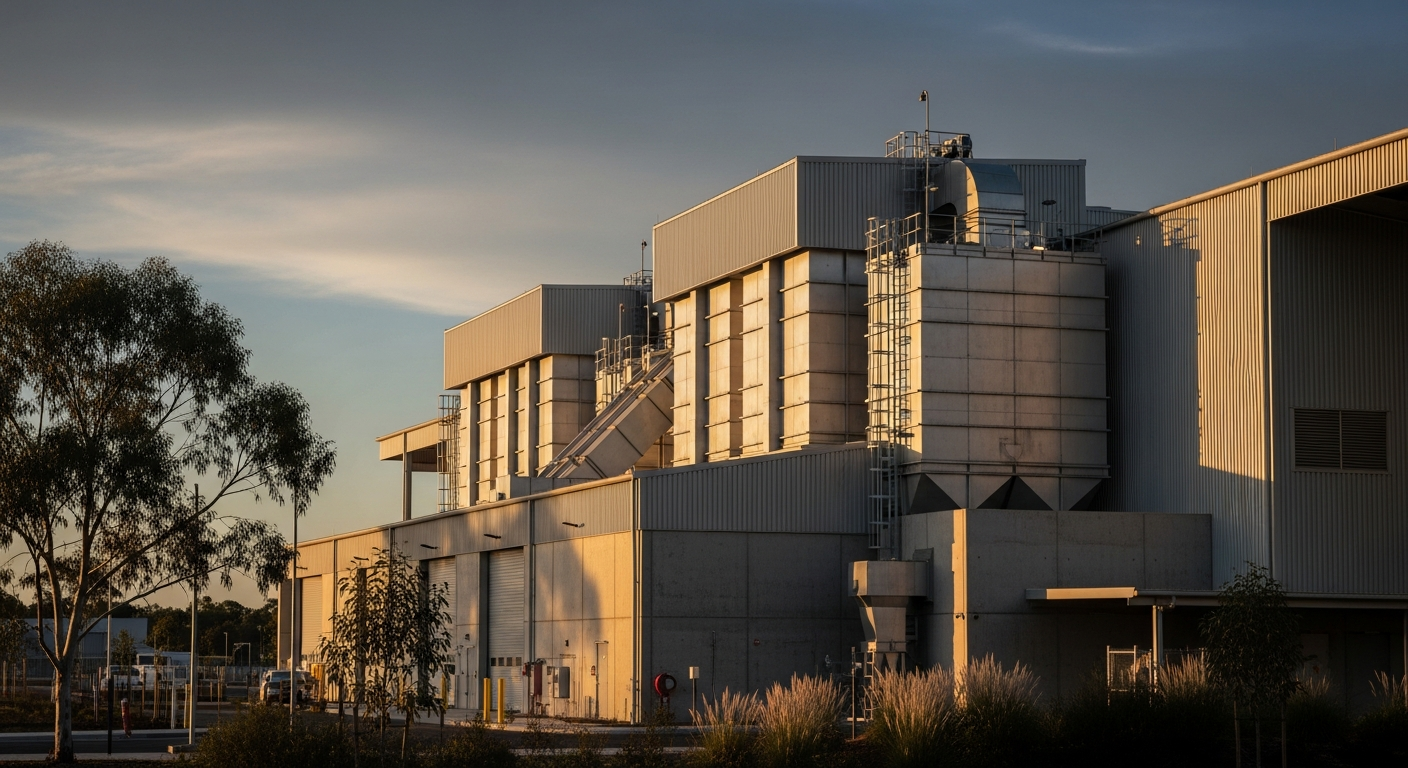
Rendering plants sit at the more demanding end of the industrial approval spectrum. They process raw animal by-products, generating significant odour loads, bioaerosols, and noise that can affect surrounding communities and sensitive receptors. The Laverton North precinct, an established industrial area in Melbourne’s west, already hosts heavy industrial uses including JBS Australia’s existing abattoir operations. The co-location of the proposed rendering facility adjacent to the existing abattoir was a deliberate planning and environmental strategy, and the EPA’s assessment weighed that proximity as a meaningful risk management measure. Eliminating the need to transport raw porcine waste across public roads removes a documented odour exposure pathway that would otherwise require separate management.
This approval matters well beyond the immediate project. It sets a visible precedent for how Victoria’s modern environmental licensing framework handles the interface between general duty obligations and facility-specific design requirements. Proponents of comparable high-risk industrial activities, and the consultants who advise them, should treat this decision as a reference point for understanding what level of engineering specificity EPA Victoria now expects at the development stage, before a single tonne of material is processed on site.
Key details of the JBS Pork Laverton North Development Licence conditions
The Development Licence approved on 11 June 2024 is strictly confined to the construction phase and design performance validation of the rendering plant. It does not authorise JBS Pork Australia to commence operations. Under Victoria’s two-stage licensing pathway established by the Environment Protection Act 2017 (Vic), an Operating Licence is a separate instrument that can only be pursued after the proponent demonstrates that all construction conditions have been met and that the installed systems perform to the mandated design standards during commissioning. This is not a procedural formality. It is a substantive regulatory gate that requires documented evidence of system performance before operations can lawfully commence.
Three core technology requirements are embedded as legally binding conditions in the Development Licence. First, the entire rendering facility must operate under continuous negative air pressure. This engineering control ensures that the building envelope itself functions as a containment barrier, preventing fugitive odour emissions from escaping into the surrounding environment. Any air movement within the building must be directed inward rather than outward, which means that openings such as doors, loading bays, and penetrations must be managed as part of an integrated pressure control system, not treated as incidental design elements. Second, the facility must install biofilters specifically engineered and appropriately sized for high-efficiency odour treatment. Biofilters use biological media to break down odorous compounds in the extracted air stream, and their sizing and media specification must be matched to the actual odour load of the rendering process rather than generic industrial benchmarks. Third, specialised acoustic control equipment must be incorporated to suppress operational noise from plant and equipment within the facility.
The regulatory basis for these conditions is the General Environmental Duty (GED) under sections 25 and 26 of the Environment Protection Act 2017 (Vic). The GED requires any person or organisation whose activities create a risk of harm to human health or the environment to understand those risks and minimise them so far as reasonably practicable. In this case, EPA Victoria has not left the GED as a broad, self-interpreted obligation. Instead, it has translated the duty into specific, measurable engineering requirements: continuous negative pressure, appropriately sized biofiltration, and acoustic control. This approach means that the proponent’s compliance obligation is defined by technology performance rather than by ambient outcome thresholds alone, which has implications for how commissioning evidence must be gathered and presented.
The cumulative risk assessment undertaken as part of the approval process also factored in regional context. The strategic decision to site the rendering facility directly adjacent to the existing JBS abattoir at Laverton North was assessed as permanently eliminating the odour risk associated with transporting raw porcine waste over public roads to a remote rendering facility. This is a material risk reduction that the EPA weighed in the assessment, and it demonstrates that facility siting decisions carry regulatory consequence well beyond land use planning considerations. Community feedback gathered during consultation was also explicitly considered in the EPA’s assessment, which is consistent with the community engagement obligations built into the Environment Protection Act 2017 (Vic) framework.
Australian context: General Environmental Duty
References and related sources
- Primary source: www.epa.vic.gov.au
- epa.vic.gov.au
- EPA Victoria
How iEnvi can help
iEnvi provides specialist consulting services relevant to this topic. Our team includes CEnvP Site Contamination Specialists with experience across contaminated land, groundwater, remediation, ecology, and regulatory compliance.
- iEnvi contaminated land investigation services
- iEnvi remediation and validation services
- iEnvi expert services and independent review services
This is an iEnvi Machete news summary. Prepared by iEnvi to summarise the source article for contaminated land, groundwater, remediation, approvals and site risk professionals.
Published: 13 Jun 2026
Need advice on this topic? Speak to an iEnvi expert at info@ienvi.com.au or 1300 043 684, or contact us online.
Need advice on this issue? iEnvi provides practical, senior-led environmental consulting across contaminated land, remediation, ecology and environmental risk.
Team credentials Contaminated land services Remediation services Groundwater services Talk to iEnvi