
EPA Victoria Approves Cell 10 at Cobram Landfill: BPEM Compliance, Circular Economy Capping, and What Regional Landfill Operators Need to Know
Overview of the Cobram Landfill Cell 10 Approval
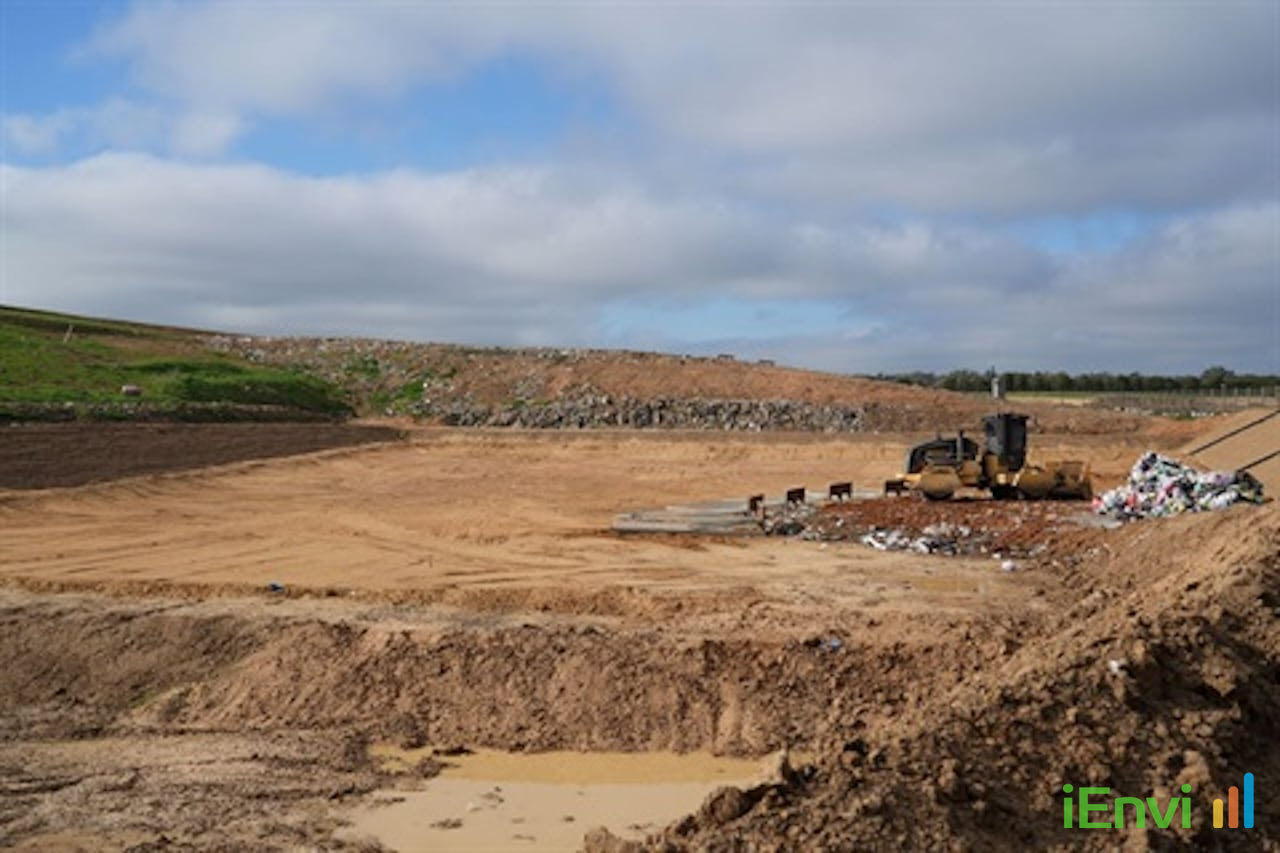
EPA Victoria has approved the construction and operation of Cell 10 at the Cobram Landfill in Moira Shire, authorising the next stage of the facility’s operational life following Cell 9 reaching its design capacity. The approval, reported on 7 July 2023, marks a significant milestone for regional waste infrastructure in northern Victoria and signals how EPA Victoria is evaluating landfill expansion proposals under the current regulatory framework. For environmental consultants, council asset managers, and waste infrastructure operators, this approval carries weight well beyond the immediate project boundary.
What distinguishes this project from a routine cell-by-cell expansion is the deliberate integration of a closed-loop organic waste recovery model into the rehabilitation programme. An almost $3 million contract has been awarded to Goldsmith Civil and Environmental, encompassing not only the construction of Cell 10 but also final capping works on the older Cell 4 and Cell 8. The capping of those legacy cells is being undertaken using processed organic compost sourced from Western Composting, a material derived directly from Moira Shire’s household green organics kerbside bin service. That means the organic waste collected from local residents is being processed, composted, and returned to the landfill as a functional rehabilitation material, completing a genuine circular loop within the same local government area.
For practitioners advising councils, waste facility operators, and infrastructure owners, this project provides a concrete and regulatorily approved example of how Best Practice Environmental Management obligations can be met while simultaneously reducing the cost and emissions burden of importing virgin capping materials from external sources. The approval also highlights the regulatory planning discipline required to manage the transition between exhausted and newly commissioned disposal cells without disrupting essential waste services across the shire.
Key details of the Cobram Landfill Cell 10 approval
Cell 10 has been engineered to provide between 2.5 and 3 years of waste disposal capacity for municipal solid waste and commercial waste streams from the Moira Shire region. The approval was granted by EPA Victoria following the depletion of Cell 9, which had been serving as the primary active disposal cell. The transition between cells represents a critical operational juncture: any gap in approved disposal capacity at a licensed facility would have direct consequences for continuity of waste services to households and businesses across the shire.
The almost $3 million contract awarded to Goldsmith Civil and Environmental covers two parallel workstreams. The first is the construction of Cell 10 to meet the design, liner system, leachate collection, and operational standards required under EPA Victoria’s Best Practice Environmental Management guidelines for landfills, documented in EPA Victoria Publication 788.3. The second workstream involves the final capping of Cell 4 and Cell 8, two older cells that have reached operational capacity and are now transitioning into the post-closure management phase. Capping is a technically and regulatorily significant activity: it directly governs leachate generation rates, landfill gas emissions, surface water infiltration, and the long-term geotechnical stability of the rehabilitated cell surface.
The use of processed organic compost from Western Composting for the capping works is the element of this project that most clearly distinguishes it from conventional landfill rehabilitation practice. BPEM Publication 788.3 sets out standards for capping layer design, including requirements for low-permeability barrier layers, drainage layers, and vegetative cover. Using compost-amended materials for vegetative growth layers is an accepted approach under these guidelines, provided the material meets relevant quality and permeability specifications. Sourcing that compost from the shire’s own Food Organics and Garden Organics (FOGO) kerbside collection, processed by a local organics recovery facility, adds the circular economy dimension that makes this project a benchmark case for regional Victorian landfill management.
The project operates within the broader obligations imposed by the Environment Protection Act 2017 (Vic), which overhauled Victoria’s environmental regulatory framework and introduced the General Environmental Duty (GED) as a foundational obligation on all persons conducting activities that may give rise to risk of harm to human health or the environment. Landfill operators are specifically subject to high-scrutiny obligations under this framework, particularly regarding landfill gas generation and migration, leachate containment and management, surface water controls, and post-closure monitoring. The timely approval and commissioning of Cell 10 prior to Cell 9 reaching absolute capacity reflects the kind of proactive compliance planning the GED expects of licensed waste facility operators.
Australian context: BPEM compliance, FOGO obligations, and regional landfill management in Victoria and nationally
EPA Victoria’s Best Practice Environmental Management guidelines for landfills, Publication 788.3, are the primary technical reference for landfill design, operations, rehabilitation, and post-closure management in Victoria. They set out requirements covering liner and leachate collection systems, landfill gas management, stormwater controls, monitoring programmes, and cell capping specifications. Compliance with BPEM is a condition of most EPA Victoria premises licences for landfill facilities, and departure from BPEM standards requires operators to demonstrate equivalence through an alternative approach that achieves the same or better environmental outcomes.
References and related sources
- Primary source: wastemanagementreview.com.au
- edge1025.com.au
- moira.vic.gov.au
- sers.net.au
- wastemanagementreview.com.au
- NEPM Assessment of Site Contamination
- EPA Victoria
How iEnvi can help
iEnvi provides specialist consulting services relevant to this topic. Our team includes CEnvP Site Contamination Specialists with experience across contaminated land, groundwater, remediation, ecology, and regulatory compliance.
- iEnvi contaminated land investigation services
- iEnvi remediation and validation services
- iEnvi expert services and independent review services
This is an iEnvi Machete news summary. Prepared by iEnvi to summarise the source article for contaminated land, groundwater, remediation, approvals and site risk professionals.
Published: 07 Jul 2026
Need advice on this topic? Speak to an iEnvi expert at info@ienvi.com.au or 1300 043 684, or contact us online.
Need advice on this issue? iEnvi provides practical, senior-led environmental consulting across contaminated land, remediation, ecology and environmental risk.
Team credentials Contaminated land services Remediation services Groundwater services Talk to iEnvi