
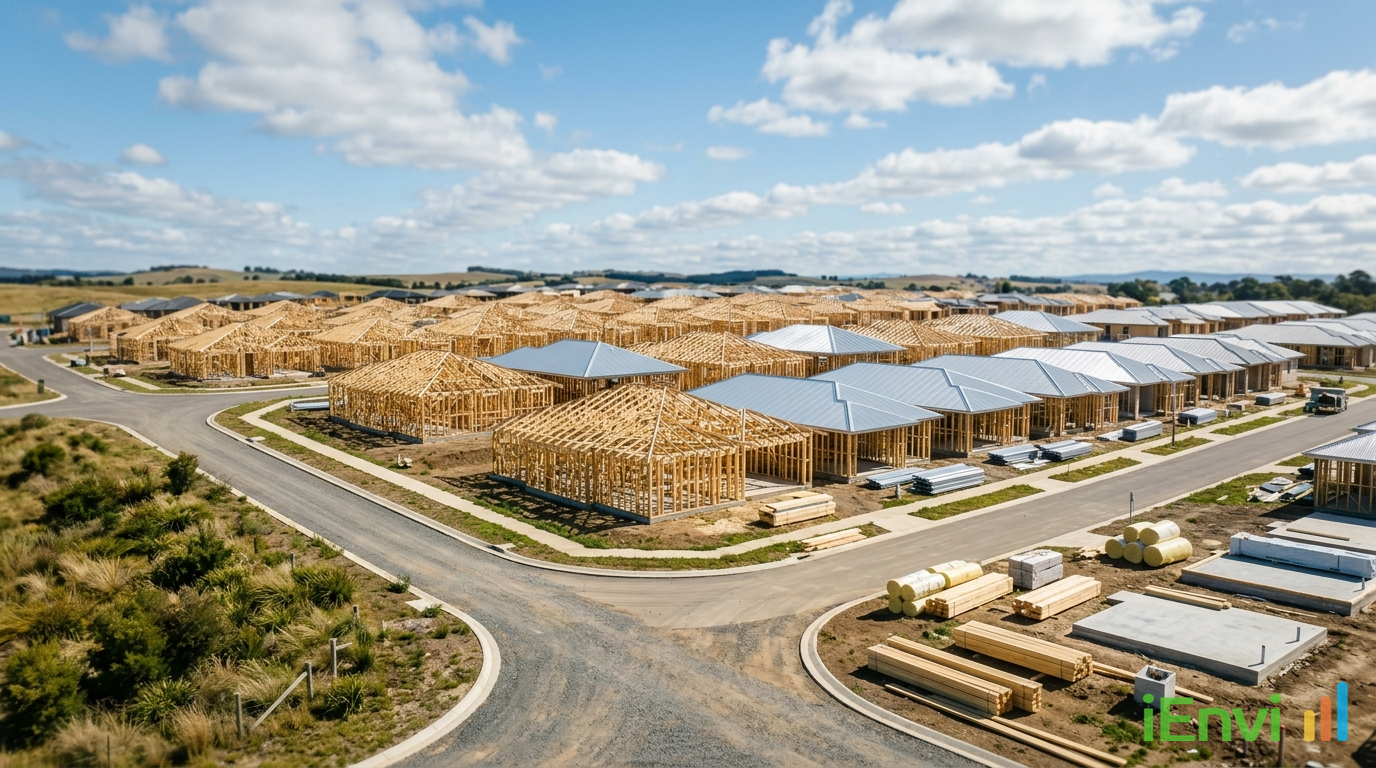
EPBC Act housing approvals pass 100-project milestone
The Federal Government confirmed on 21 August 2026 that the 100th individual residential housing development has received environmental approval under the Environment Protection and Biodiversity Conservation Act 1999 (EPBC Act), taking the cumulative tally of new dwellings cleared through Commonwealth environmental assessment since May 2022 past 80,000. The announcement came via a joint media release from Environment and Water Minister Murray Watt and Housing Minister Clare O’Neil, framing the milestone as evidence that federal environmental law can process large residential pipelines without becoming a handbrake on housing supply.
For environmental consultants, planning lawyers and developers working across Australia’s east coast growth corridors, this is not just a political talking point. It confirms that Commonwealth-level assessment of Matters of National Environmental Significance (MNES) is now a routine, expected stage in master-planned residential approvals rather than an exceptional hurdle reserved for edge cases. Every one of those 100 approvals required a proponent to demonstrate, to a federal standard of proof, that a development would not have an unacceptable impact on threatened species, ecological communities, wetlands of international importance, or migratory species habitat.
The timing matters. It lands as the newly established National Environment Protection Agency (NEPA) takes over administration of the EPBC Act from the department, a structural change that environmental professionals should be tracking closely because it affects who assesses referrals, how delegate decisions are made, and how consistently assessment standards are applied across states.
What the 100 EPBC Act approvals cover
Under the EPBC Act, a residential development requires federal referral and approval when it has, will have, or is likely to have a significant impact on one or more MNES. In practice, for greenfield and infill residential projects, the most frequently triggered matters are listed threatened ecological communities (such as remnant grassy woodlands or coastal saltmarsh), listed threatened flora and fauna species, and habitat used by migratory species protected under international agreements. The 100 approvals referenced in the joint media release span projects assessed since May 2022, meaning the figure covers roughly four years of federal decision-making across multiple states and a range of project scales.
The 80,000 dwelling figure is a cumulative count of homes approved across those 100 individual assessments, not a single project. This detail is important for practitioners quoting the statistic, since it reflects an average of around 800 dwellings per approved development, though the actual distribution will include both large master-planned communities of several thousand lots and smaller infill projects with a handful of MNES-triggered impacts requiring offset.
The government’s framing emphasises that these approvals have occurred within what it describes as streamlined assessment timelines, though the joint release does not publish specific median processing times, request-for-further-information (RFI) rates, or offset area totals associated with the 100 approvals. Without that granular data being made public, consultants should treat the milestone as a supply-side headline figure rather than a benchmark for expected turnaround times on any individual referral.
What is confirmed is the institutional shift: NEPA now administers the EPBC Act, replacing the prior departmental arrangement. For proponents currently in the referral or assessment stage, this means procedural correspondence, delegate contacts and potentially assessment guidelines may shift as NEPA embeds its own operating procedures. Environmental practitioners preparing referrals should confirm current lodgement portals and delegate contact points rather than relying on department-era templates.
Australian context
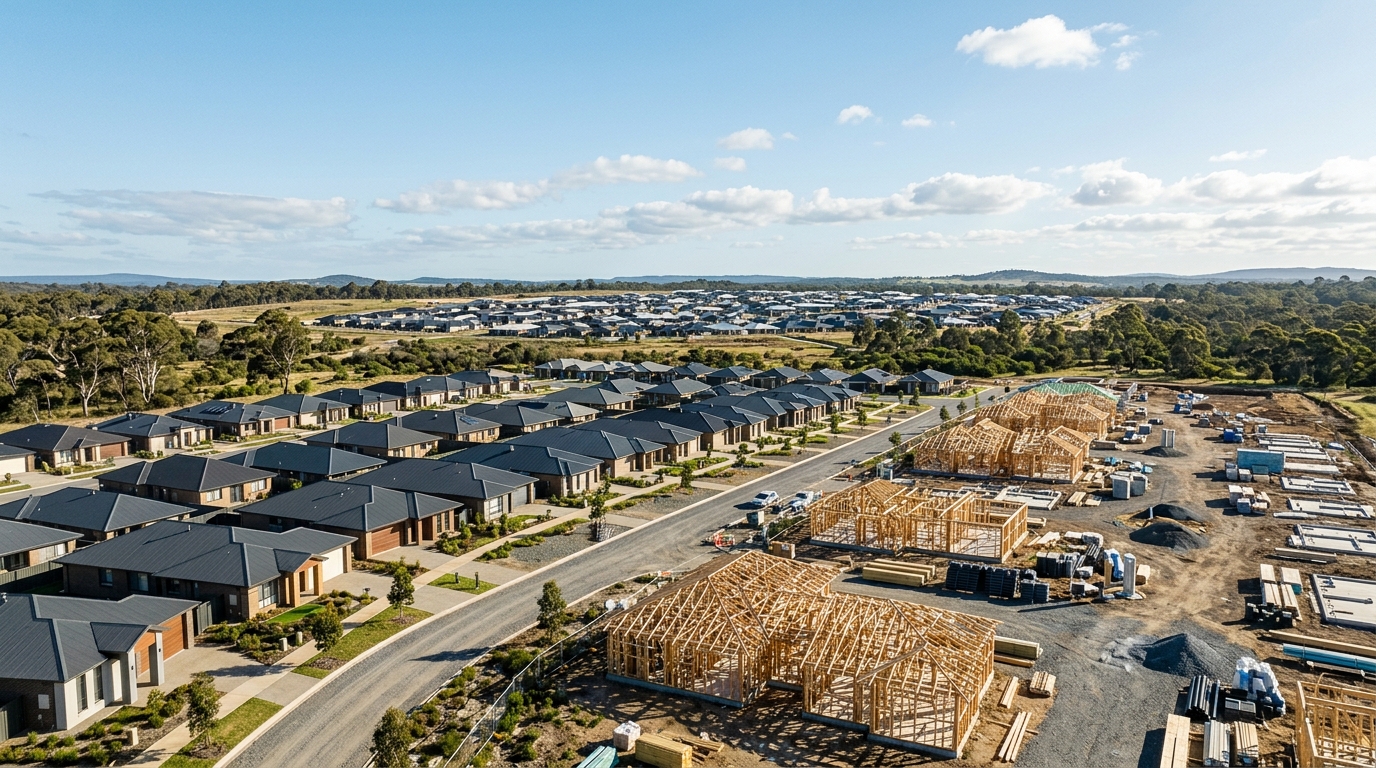
For Australian contaminated land and ecological consultants, the EPBC Act operates alongside, not instead of, state and territory planning and environmental frameworks. A residential project in New South Wales, Victoria, Queensland or South Australia will typically require both a state-level development approval or planning permit and, where MNES are triggered, a separate federal referral and assessment. Contaminated land assessments completed under state guidelines such as the NEPM 1999 (amended 2013) framework for site contamination do not substitute for the ecological impact assessment required federally, and the two workstreams need to be sequenced carefully so that ecological survey windows and contamination sampling programmes do not create conflicting site access or disturbance constraints.
The practical challenge for proponents is that MNES triggers are frequently missed during early due diligence, particularly on sites where remnant vegetation, wetland fringes or drainage lines have not been mapped against the Species of National Environmental Significance database and the Protected Matters Search Tool. A site that clears local council zoning and state environmental screening without issue can still require a full federal referral if a listed threatened ecological community or migratory shorebird habitat is present, even in small or degraded patches.
With NEPA now the administering body, consistency of assessment standards across jurisdictions becomes a live issue for practitioners advising clients with multi-state residential portfolios. A developer running concurrent projects in southeast Queensland and outer Melbourne needs assessment teams that understand both the federal MNES framework and how it interacts with state biodiversity offset schemes, such as Victoria’s native vegetation removal regulations or New South Wales’ Biodiversity Offsets Scheme under the Biodiversity Conservation Act 2016, to avoid double-counting offset obligations or lodging inconsistent impact assessments across state and federal approval pathways.
References and related sources
- Primary source: minister.dcceew.gov.au
- EPBC Act
How iEnvi can help
iEnvi provides specialist consulting services relevant to this topic. Our team includes CEnvP Site Contamination Specialists with experience across contaminated land, groundwater, remediation, ecology, and regulatory compliance.
- iEnvi due diligence services
- iEnvi remediation and validation services
- iEnvi expert services and independent review services
This is an iEnvi Machete news summary. Prepared by iEnvi to summarise the source article for contaminated land, groundwater, remediation, approvals and site risk professionals.
Published: 21 Aug 2026
Need advice on this topic? Speak to an iEnvi expert at info@ienvi.com.au or 1300 043 684, or contact us online.
Need advice on this issue? iEnvi provides practical, senior-led environmental consulting across contaminated land, remediation, ecology and environmental risk.
Team credentials Flora and fauna assessment Contaminated land services Remediation services Talk to iEnvi