
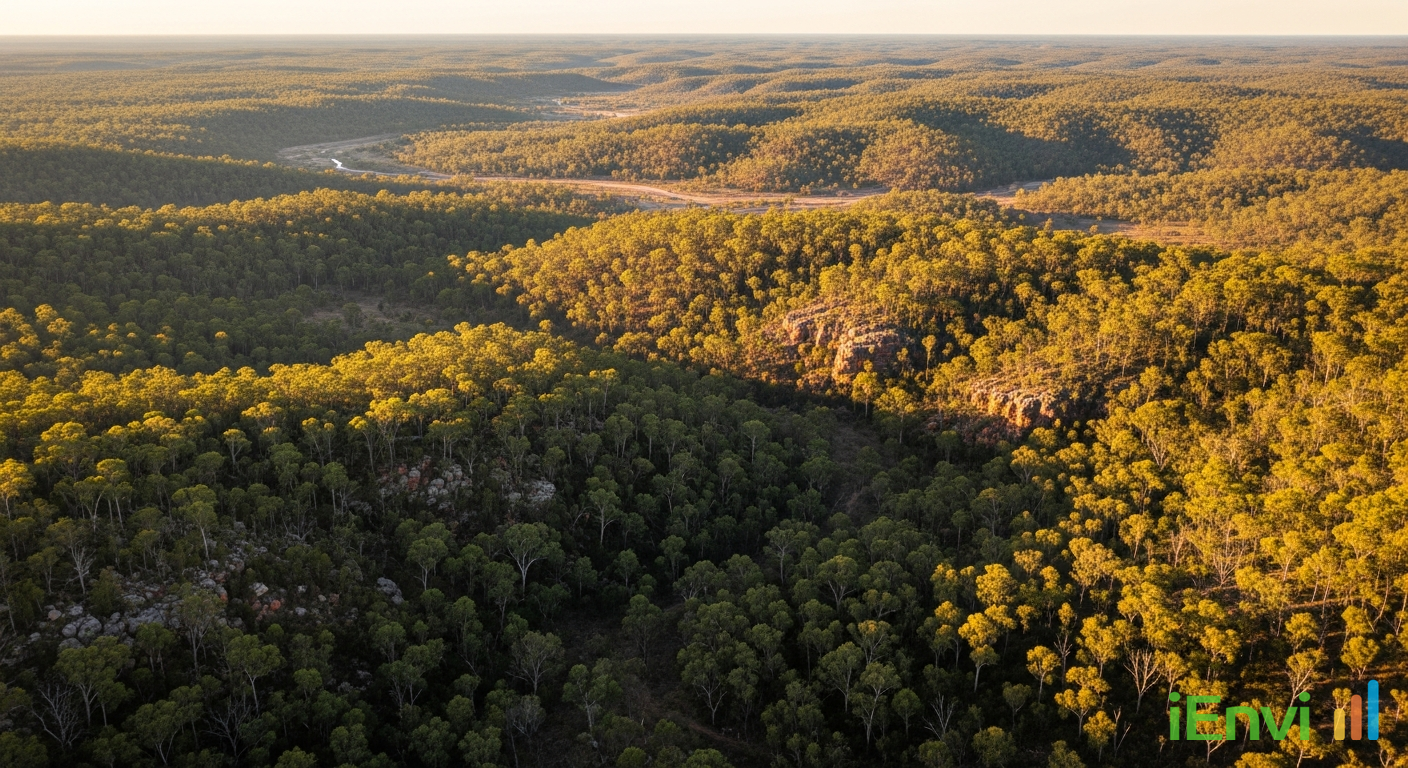
Overview of the $250M Australian Bushland Program
On 29 June 2026, Federal Minister for the Environment and Water, Tanya Plibersek, announced the opening of a Request for Expression of Interest (REOI) on AusTender under the Albanese Government’s $250 million Australian Bushland Program. The initiative invites partnerships with experienced conservation organisations, land trusts, and state and territory agencies to purchase and permanently protect high-biodiversity properties from willing sellers across the country. Submissions are open until 3 August 2026, giving eligible organisations a narrow window to position themselves in what is shaping up to be one of the largest structured conservation land acquisition programmes in Australian history.
The programme is a direct policy mechanism designed to close the gap between Australia’s current conservation coverage and its international commitments under the Global Biodiversity Framework’s “30 by 30” target, which requires 30% of land and 30% of oceans to be protected and conserved by 2030. Australia currently protects close to 25% of its total landmass, meaning an additional 39 million hectares must be secured within this decade. To put that figure in practical terms, 39 million hectares is roughly 1.7 times the land area of Victoria. That is not a marginal gap to be filled by ad hoc acquisitions; it requires a sustained, strategically co-ordinated programme of land purchase and stewardship at a scale that demands serious ecological, legal, and planning expertise.
For environmental professionals, property developers, local councils, and landholders, this announcement is significant beyond its conservation intent. It will reshape regional land valuation dynamics, generate substantial demand for ecological assessment and mapping services, and create long-term land management contracts across multiple jurisdictions. Understanding the programme’s structure, qualifying criteria, and practical mechanics is essential for any professional operating in the intersection of land use, biodiversity, and property in Australia.
Key details of the $250 million Australian Bushland Program REOI
The REOI was published on AusTender on 29 June 2026 and closes for submissions on 3 August 2026. The $250 million funding envelope is directed entirely toward the purchase of privately held, high-biodiversity land from willing sellers, rather than toward management subsidies or offset payments. Eligible partner organisations include accredited conservation organisations, land trusts, and state or territory government agencies with demonstrated capacity to acquire, manage, and protect land over the long term. The programme is not open to individual landholders directly; it operates through a partnership model where eligible intermediaries identify, assess, and acquire properties that meet the programme’s scientific criteria.
To qualify for purchase under the Australian Bushland Program, properties must meet the scientific criteria of the National Reserve System (NRS). The NRS framework requires acquisitions to contribute to a reserve system that is comprehensive, adequate, and representative (CAR) of Australia’s biodiversity. In practical terms, this means properties must demonstrably support threatened ecological communities or threatened species listed under the Environment Protection and Biodiversity Conservation Act 1999 (EPBC Act), contain vegetation types that are under-represented in the existing reserve network, or provide critical connectivity between existing protected areas. Properties that simply contain regionally common vegetation or lack documented biodiversity values are unlikely to meet the threshold, regardless of their size or location.
The ecological assessment requirements flowing from the NRS criteria are substantial. Baseline biodiversity assessments will need to document threatened species occurrence and habitat suitability, identify EPBC-listed ecological communities, characterise vegetation communities against established mapping frameworks, and assess landscape-scale connectivity values. These assessments will need to be rigorous enough to withstand scientific scrutiny, as they form the evidentiary basis for acquisition decisions involving significant public funds. Vegetation community mapping will need to reference state and territory vegetation mapping methodologies and align with the National Vegetation Information System (NVIS) where applicable.
Once acquired, properties will require the development and implementation of comprehensive long-term conservation management plans. These plans are expected to address active threat abatement across a range of categories, including invasive fauna management (feral pigs, cats, foxes, deer), invasive flora control (priority weeds under state and territory frameworks), prescribed fire management aligned with ecological objectives, and monitoring programmes to track conservation outcomes over time. The ongoing management obligations attached to programme acquisitions are likely to be formalised through conservation covenants or equivalent legal instruments, creating durable and legally binding land management commitments that will persist beyond any individual funding cycle.
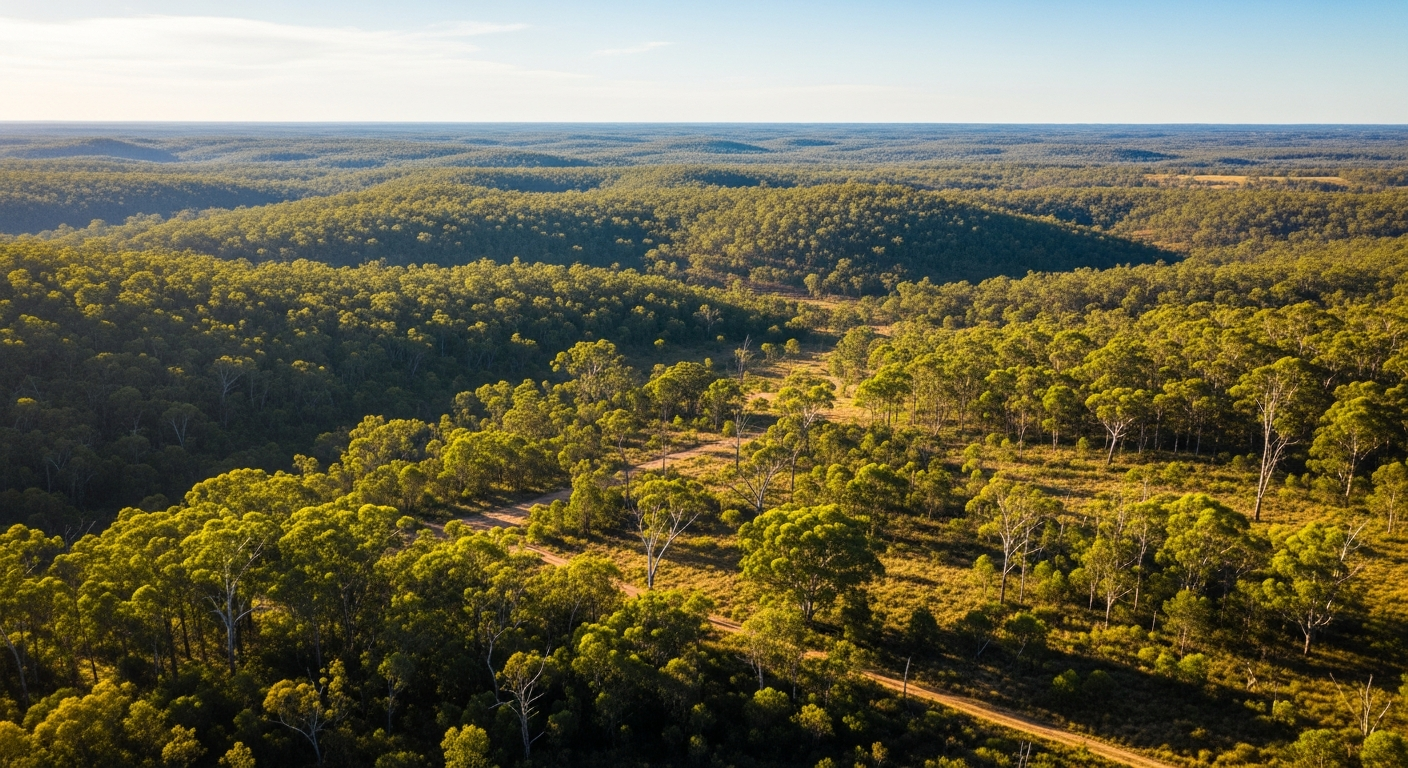
Australian context: how the Bushland Program intersects with biodiversity law and land use frameworks
The Australian Bushland Program sits within a broader legislative and policy architecture that environmental professionals need to understand to properly advise clients. The EPBC Act 1999 remains the principal Commonwealth statute governing biodiversity protection, and NRS criteria are fundamentally linked to the Act’s listing regime for threatened species and ecological communities. Properties acquiring federal funding under this programme will attract EPBC Act scrutiny at multiple points, including referral obligations for any future actions on or adjacent to acquired land, and ongoing compliance requirements tied to the conservation values that justified the original acquisition. Professionals advising landholders, conservation bodies, or government agencies in relation to this programme should ensure they have a clear working understanding of how NRS criteria, EPBC listing thresholds, and state and territory biodiversity legislation interact across the relevant jurisdictions.
References and related sources
- Primary source: minister.dcceew.gov.au
- EPBC Act
How iEnvi can help
iEnvi provides specialist consulting services relevant to this topic. Our team includes CEnvP Site Contamination Specialists with experience across contaminated land, groundwater, remediation, ecology, and regulatory compliance.
- iEnvi contaminated land investigation services
- iEnvi remediation and validation services
- iEnvi expert services and independent review services
This is an iEnvi Machete news summary. Prepared by iEnvi to summarise the source article for contaminated land, groundwater, remediation, approvals and site risk professionals.
Published: 30 Jun 2026
Need advice on this topic? Speak to an iEnvi expert at info@ienvi.com.au or 1300 043 684, or contact us online.
Need advice on this issue? iEnvi provides practical, senior-led environmental consulting across contaminated land, remediation, ecology and environmental risk.
Team credentials Contaminated land services Remediation services Groundwater services Talk to iEnvi