
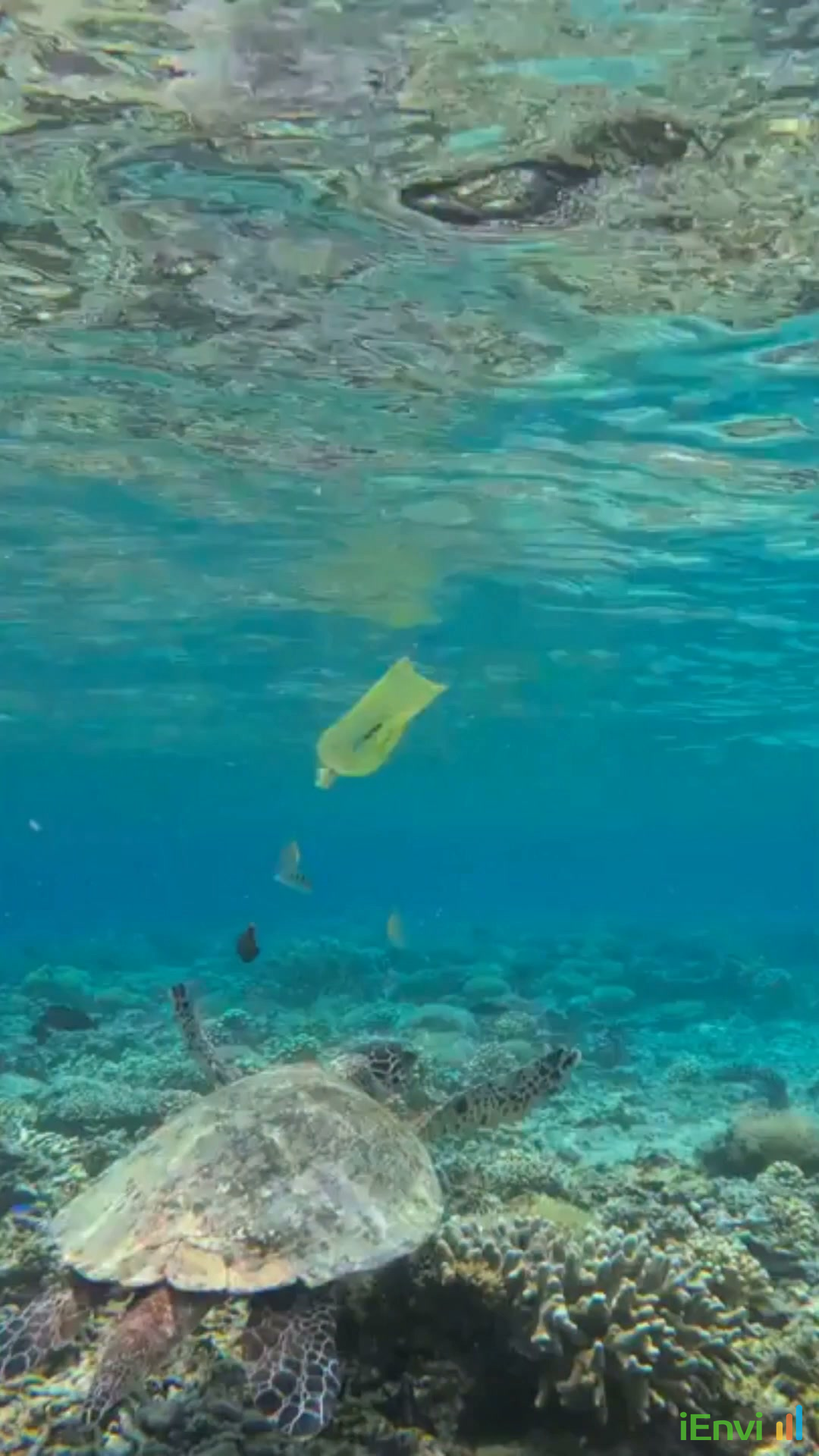
Overview of the Reef Trust Marine Debris Grant Round 2
The Department of Climate Change, Energy, the Environment and Water opened Round 2 of the Great Barrier Reef Marine Debris Management and Mitigation Program on 14 August 2025, making $8 million in Commonwealth grant funding available through the Reef Trust. Applications close on 26 August 2025, giving proponents a narrow window to prepare technically sound submissions for catchment-scale debris interception and prevention works.
This round matters because it shifts the funding emphasis from reactive marine clean-up to upstream, land-based intervention. Rather than paying for vessels and volunteers to retrieve debris once it has already reached reef waters, the program backs infrastructure and systems designed to stop plastic pollution and marine debris entering waterways in the first place. For environmental consultants, coastal engineers, regional councils, port authorities and First Nations organisations across Queensland’s reef catchments, this represents a direct co-funding pathway for projects that might otherwise stall for want of capital.
For developers, lawyers and planning authorities working near reef catchments, the program also signals where regulatory attention is heading. Grant-funded interceptor and stormwater works sit alongside, not instead of, existing approvals obligations, and proponents need to treat this funding round as a trigger for early engagement with assessment pathways rather than a standalone grants exercise.
Key details: funding scope, eligible works and approvals
The $8 million grant pool is administered through the Australian Government’s Reef Trust, the primary Commonwealth funding vehicle for Great Barrier Reef protection since its establishment. Round 2 specifically targets large-scale, practical and innovative projects capable of trapping, removing and preventing marine debris and plastic pollution before it enters waterways and coastal environments across Great Barrier Reef catchments, rather than funding offshore retrieval alone.
Eligible project types indicated by the program’s framing include catchment-scale gross pollutant traps, stormwater quality improvement devices, structural debris interception systems, and coastal corridor remediation works. These are consistent with established stormwater engineering practice, where gross pollutant traps (GPTs) are well proven for macro-debris load reduction but have limited and design-dependent performance against microplastics. Proponents claiming microplastic capture rates should be prepared to support those claims with device-specific testing data rather than generic literature figures.
Applications close 26 August 2025, a twelve-day window from the round’s opening. This is a compressed timeframe relative to the scale of works contemplated, and it puts pressure on proponents to have baseline waste characterisation, candidate site selection and preliminary engineering already substantially progressed before the round opened. Grant assessment criteria are likely to weight practical deliverability and measurable load-reduction outcomes heavily, given DCCEEW’s stated focus on “practical” and “large-scale” projects rather than research or pilot-stage concepts.
The program sits within the broader Reef 2050 Long-Term Sustainability Plan and its associated Catchment Water Quality Strategy, alongside the National Waste Policy Action Plan framework. Works that intersect with matters of national environmental significance may require referral under the Environment Protection and Biodiversity Conservation Act 1999 (EPBC Act), while works within or affecting the Marine Park itself engage the Great Barrier Reef Marine Park Act 1975. Coastal and tidal works additionally commonly trigger Queensland state planning and coastal management legislation, meaning grant-funded projects are not exempt from standard environmental assessment processes.
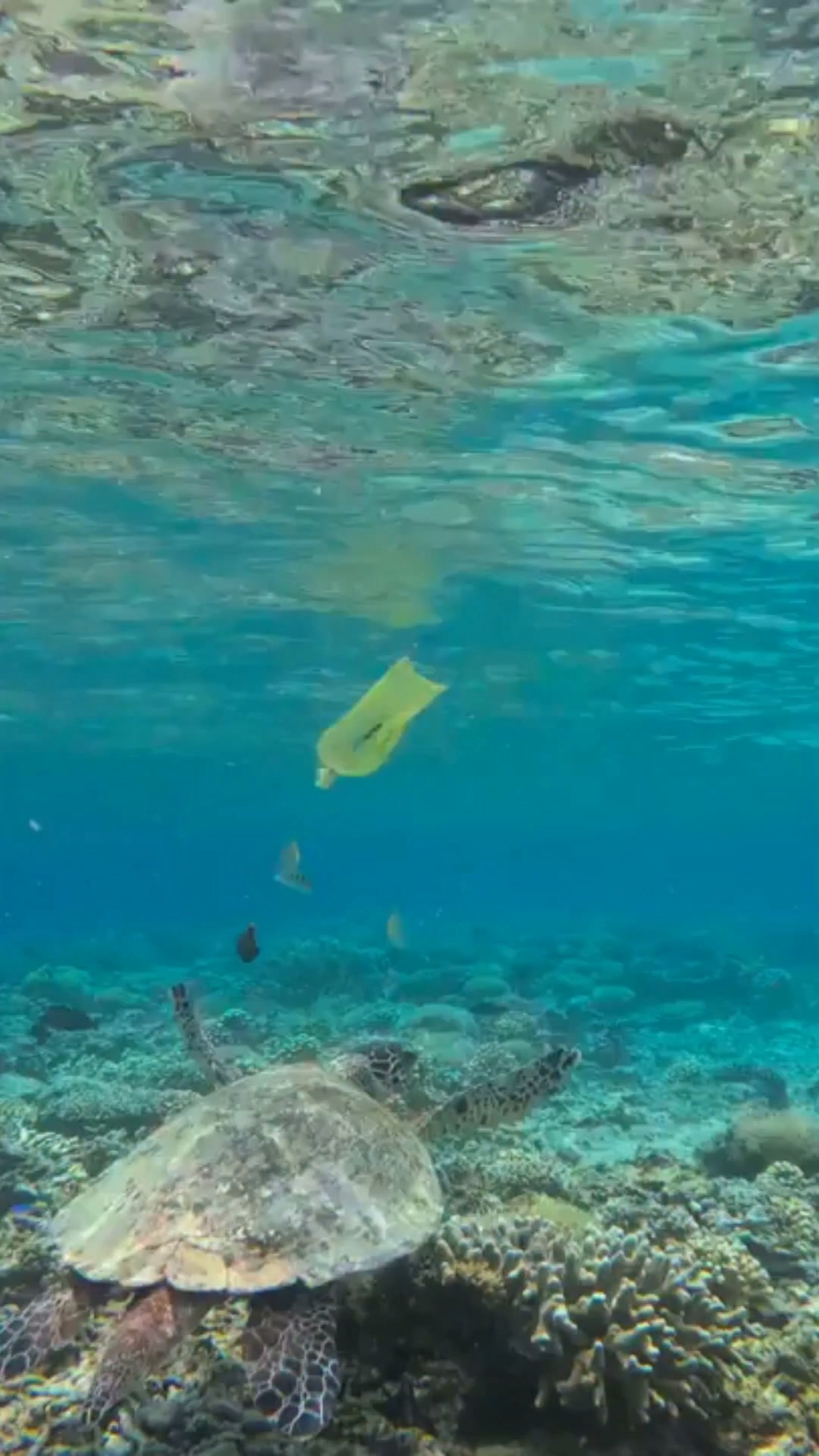
Australian context
For Queensland practitioners, this round reinforces a well-established regulatory direction: diffuse, land-based pollutant pathways are now treated as a primary lever for reef water quality outcomes, not a secondary concern behind point-source discharges. This aligns with the existing Reef 2050 Water Quality Improvement Plan, which has for several years prioritised catchment interventions for sediment, nutrient and now plastic loads entering reef waters. Consultants preparing due diligence or environmental management plans for developments in reef catchments should expect stormwater and debris management conditions to feature more prominently in both grant-funded infrastructure and standard development approvals.
The program also has practical relevance beyond Queensland. Interceptor and GPT design principles, baseline waste characterisation methods, and load-reduction monitoring frameworks developed under this round are transferable to catchment management programs in NSW, Victoria and South Australia, particularly where state EPAs and local governments are assessing stormwater quality improvement devices as conditions of development consent. While the ANZG guideline framework and state-based stormwater quality objectives do not currently include specific microplastic thresholds, this funding round is likely to generate performance data that informs future guideline development.
Practitioners should note that grant funding does not substitute for statutory approvals. A project can be fully funded under the Reef Trust and still require EPBC Act referral, Marine Park Authority permits, or Queensland coastal works approval depending on location and scale. Early triage of these obligations against the twelve-day application window is essential to avoid submitting a technically strong grant application that later stalls at the approvals stage.

Practical implications for applicants and advisers
Councils, port authorities and First Nations organisations considering an application should immediately identify high-risk drainage outlets and debris accumulation points within their catchments, confirm land tenure and site access for candidate locations, and lock in preliminary engineering for interception works. Given the compressed application window, proponents holding existing baseline waste characterisation data and near shovel-ready designs will be best placed to submit a competitive bid.
Approvals triage should run in parallel with grant drafting, not after it. Early contact with DCCEEW, the Great Barrier Reef Marine Park Authority and Queensland assessment agencies will help proponents establish whether EPBC Act referral, Marine Park permits or state coastal works approvals apply, and how those timeframes interact with grant delivery milestones. Consultants and lawyers advising clients in reef catchments should treat the round as an opportunity to align stormwater infrastructure priorities with a funded delivery pathway, while making clear to clients that funding success does not shortcut statutory assessment.
References and related sources
- Primary source: www.dcceew.gov.au
- facebook.com
- aph.gov.au
- detsi.qld.gov.au
- g20mpl.org
- EPBC Act
How iEnvi can help
iEnvi provides specialist consulting services relevant to this topic. Our team includes CEnvP Site Contamination Specialists with experience across contaminated land, groundwater, remediation, ecology, and regulatory compliance.
- iEnvi remediation services
- iEnvi contaminated land investigation services
- iEnvi expert services and independent review services
This is an iEnvi Machete news summary. Prepared by iEnvi to summarise the source article for contaminated land, groundwater, remediation, approvals and site risk professionals.
Published: 15 Aug 2026
Need advice on this topic? Speak to an iEnvi expert at info@ienvi.com.au or 1300 043 684, or contact us online.
Need advice on this issue? iEnvi provides practical, senior-led environmental consulting across contaminated land, remediation, ecology and environmental risk.
Team credentials Environmental management plans Contaminated land services Remediation services Talk to iEnvi