
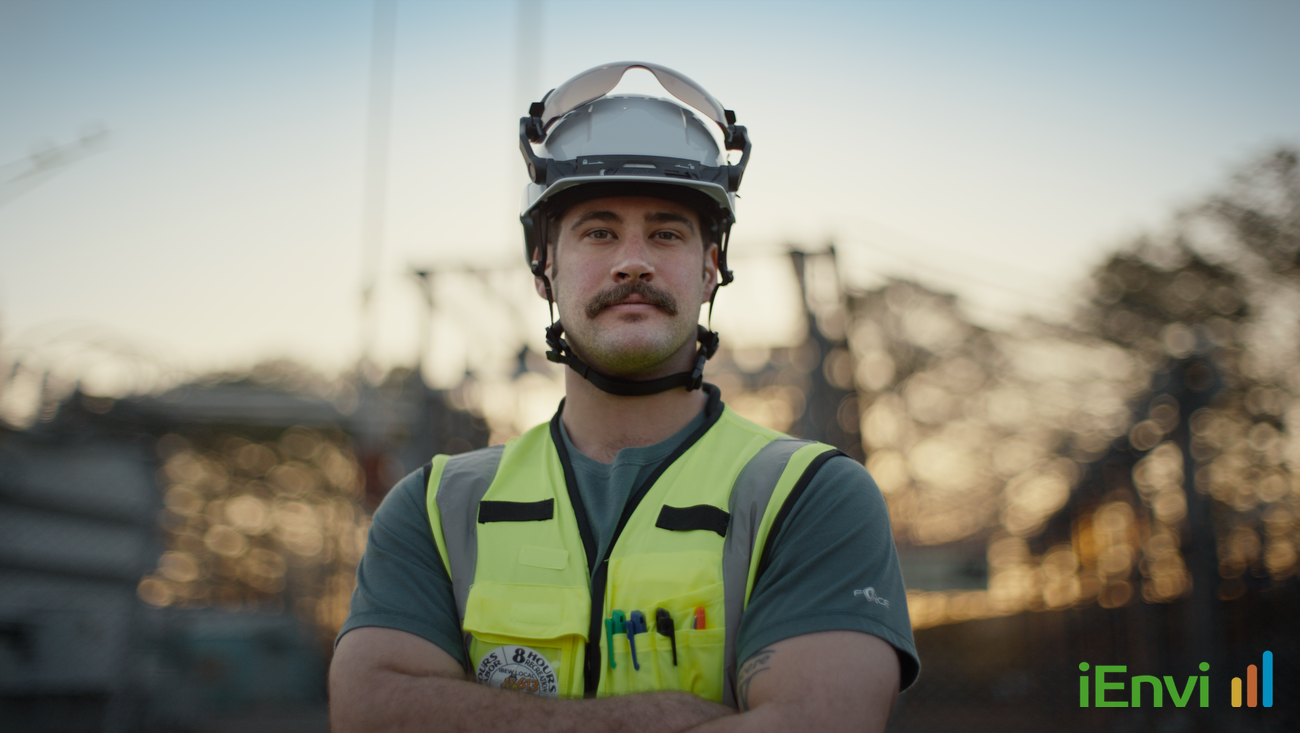
Google Addresses AI Infrastructure Skilled Trades Bottlenecks
On 11 June 2025, Google.org announced a USD 50 million (approximately AUD 79 million) commitment to train more than 300,000 skilled trade workers across more than 20 United States states. The programme will channel funding through 14 labour unions and four trade and contractor associations, targeting electricians, welders, pipefitters, fibre technicians, and manufacturing workers. The explicit purpose is to accelerate construction of the physical infrastructure underpinning the global artificial intelligence buildout, including gigawatt-scale data centre campuses, advanced cooling networks, and high-voltage power grids.
The announcement, made alongside a public statement by Alphabet and Google CEO Sundar Pichai, reframes a conversation that has been dominated by semiconductor supply chains and software algorithms. Pichai stated directly: “America’s digital economy relies on our physical infrastructure and the electricians, pipefitters, welders, manufacturing workers and more who build and maintain it.” This is not a corporate social responsibility gesture. It is a strategic intervention by one of the world’s largest technology companies into the industrial labour market, motivated by a very specific constraint on AI deployment timelines.
For Australian professionals working in engineering, environmental consulting, construction, and professional services, this development has material implications. It signals that physical infrastructure constraints will increasingly govern when and at what cost next-generation AI tools become available. It also indicates that international competition for skilled trades labour and grid capacity will intensify significantly over the next five years, with flow-on effects for project planning horizons and supply chain risk management in Australia.
Key details of the Google skilled trades investment programme
The USD 50 million (approximately AUD 79 million) funding commitment is structured to flow directly to labour unions and trade associations rather than through technology training intermediaries or university pathways. This is a deliberate choice. The skills in demand are not software coding or data science. They are highly specialised industrial competencies: designing and installing liquid-cooled server clusters, commissioning high-voltage electrical switchgear, laying advanced fibre optic networks, and fabricating and joining the pipework that supports large-scale thermal management systems. These are trades with long apprenticeship pathways and no shortcut routes to competency.
The scale of the workforce shortage underpinning this investment is significant. Approximately 41 per cent of the current United States construction workforce is projected to retire within five years, representing the imminent loss of decades of accumulated industrial expertise. The data centre construction sector is expanding rapidly at precisely the moment when this retirement wave is cresting, creating a compressed window in which knowledge transfer must occur. Google’s programme is designed in part to accelerate apprenticeship intake and shorten that knowledge transfer window by funding structured training capacity.
Google has tied specific regional funding commitments to its own data centre expansion programme. In Virginia, the company is funding the Electrical Training Alliance to increase local apprenticeship capacity by an additional 2,741 apprentices by 2030. Virginia is one of the most concentrated data centre markets in the world, and this investment reflects both the local demand for electrical workers and Google’s long-term infrastructure pipeline in the region. The specificity of that figure, 2,741 additional apprentices tied to a named training organisation and a named state, illustrates that this is workforce planning integrated directly with capital expenditure forecasting rather than a broad philanthropic programme.
The initiative is not occurring in isolation. Meta announced a parallel USD 115 million (approximately AUD 181 million) “Workforce Academy” programme in the same week, targeting Houston, Baton Rouge, and other cities in Louisiana and Texas. Meta’s programme includes a job guarantee for graduates, meaning workers who complete the training are offered direct employment on Meta data centre construction projects. The simultaneous announcements from two of the world’s largest technology companies confirm that blue-collar construction labour has become a recognised strategic bottleneck in AI infrastructure delivery, not a peripheral concern.

Australian context: AI infrastructure constraints and skilled trades implications for local practice
Australia does not operate in isolation from these global infrastructure dynamics. The same AI platforms and cloud services being built in Virginia and Texas are consumed by Australian businesses, government agencies, environmental regulators, and professional services firms. When physical construction constraints delay data centre commissioning in the United States, the downstream effect is slower rollout of AI model upgrades, higher cloud compute costs, and longer lead times for enterprise AI tools. Australian organisations that have built operational workflows around AI-assisted analysis, automated reporting, or large language model platforms will encounter these constraints even though the infrastructure is located overseas.
Within Australia, the data centre sector is itself undergoing rapid expansion, particularly in Sydney, Melbourne, and increasingly in Brisbane and Perth. Gigawatt-scale data centres carry substantial environmental footprints, drawing heavily on local electricity grids, consuming significant volumes of water for cooling systems, and requiring rigorous environmental impact assessment and planning approvals before construction can proceed. Environmental consultants are already engaged in permitting processes for new facilities, and that workload is set to grow. The Australian data centre market faces a version of the same skilled labour challenge seen in the United States, compounded by Australia’s own construction industry workforce pressures. State-based training frameworks, including those administered through TAFE networks and Skills Councils under the Australian Skills Quality Authority, were not designed with gigawatt-scale data centre construction in mind. Bridging that gap will require targeted investment in trades training and a coordinated response from industry, government, and the environmental and engineering consulting sectors that will be called upon to support these projects from concept through to commissioning.
References and related sources
- Primary source: blog.google
- axios.com
- news9live.com
- blog.google
- axios.com
How iEnvi can help
iEnvi integrates technology and data-driven approaches into environmental consulting. We monitor AI and technology developments that affect how environmental professionals deliver services to clients.
This is an iEnvi Machete news summary. Prepared by iEnvi to summarise the source article for environmental professionals tracking AI, data, and technology developments that affect consulting and project delivery.
Published: 15 Jun 2026
Need advice on this topic? Speak to an iEnvi expert at info@ienvi.com.au or 1300 043 684, or contact us online.
Need advice on this issue? iEnvi provides practical, senior-led environmental consulting across contaminated land, remediation, ecology and environmental risk.
Contaminated land advice Remediation services Discuss your site Talk to iEnvi