
Pesticide Contamination Threatens Endangered Cockatoos in WA
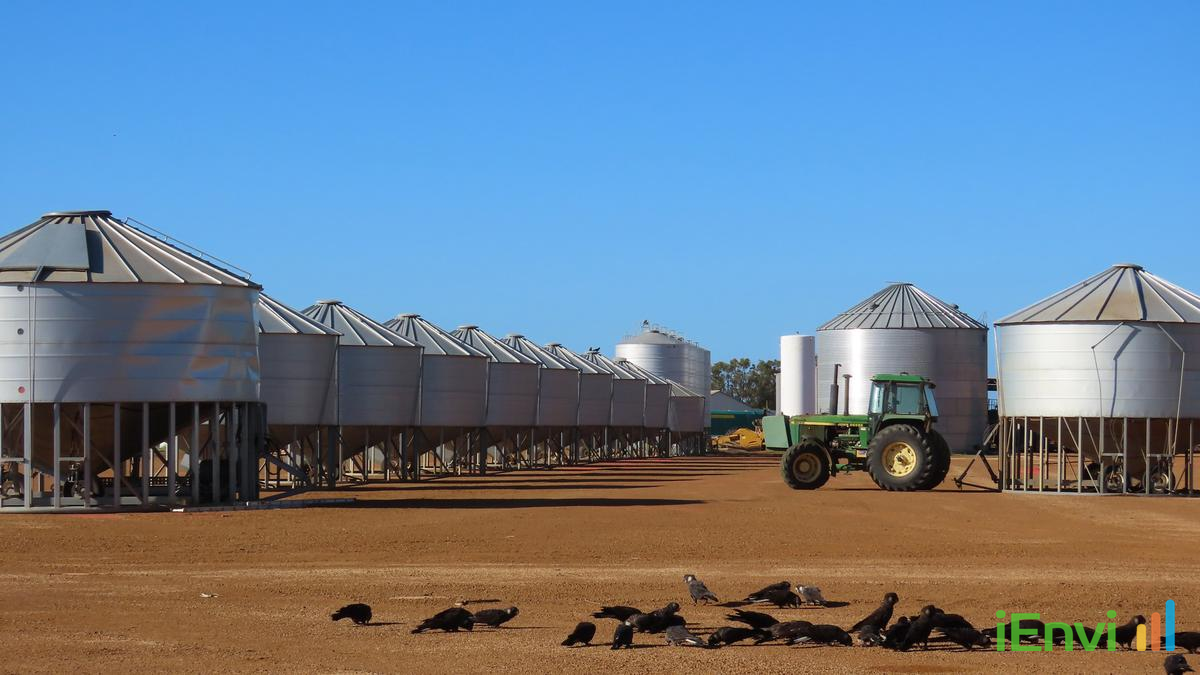
A landmark study from Murdoch University’s Harry Butler Institute, published in July 2026, has identified alarming levels of pesticide contamination in the food sources of the endangered Carnaby’s black cockatoo (Zanda latirostris) across Western Australia’s Wheatbelt region. The research used GPS and ARGOS satellite tracking across three consecutive breeding seasons to map the precise foraging locations of wild birds, then collected and chemically analysed seed samples from high-use sites, particularly around agricultural grain silos. The findings reveal a scale of pesticide exposure that substantially exceeds what previous ecological risk assessments had considered likely for this species.
The study carries immediate weight for environmental practitioners, developers, agricultural operators, and logistics companies operating in or adjacent to listed species habitat. Carnaby’s black cockatoo is listed as Endangered under the Environment Protection and Biodiversity Conservation Act 1999 (EPBC Act), meaning that actions leading to significant impacts on the species can trigger Commonwealth approval obligations. The research also provides a credible toxicological explanation for Carnaby’s Hindlimb Paralysis Syndrome (CHiPS), a debilitating neuromuscular condition that has been observed in wild birds since at least 2012 but whose cause had remained unresolved. The identification of specific neurotoxic pesticides as highly probable contributors to CHiPS is not a peripheral finding; it reframes the species’ threat profile in a way that will inform both regulatory oversight and on-ground site management.
For environmental consultants advising on agricultural land, grain handling infrastructure, logistics facilities, or rural development in the Wheatbelt and adjacent regions, this research shifts the benchmark for what constitutes an adequate ecological risk assessment. The methodology itself, combining satellite telemetry with field-based multi-residue chemical analysis, demonstrates an approach that standard desktop assessments and single-compound toxicity testing cannot replicate. The implications extend beyond Western Australia to any jurisdiction where large foraging species interact with agricultural chemical use near listed species habitat.
Key details from the Murdoch University pesticide study
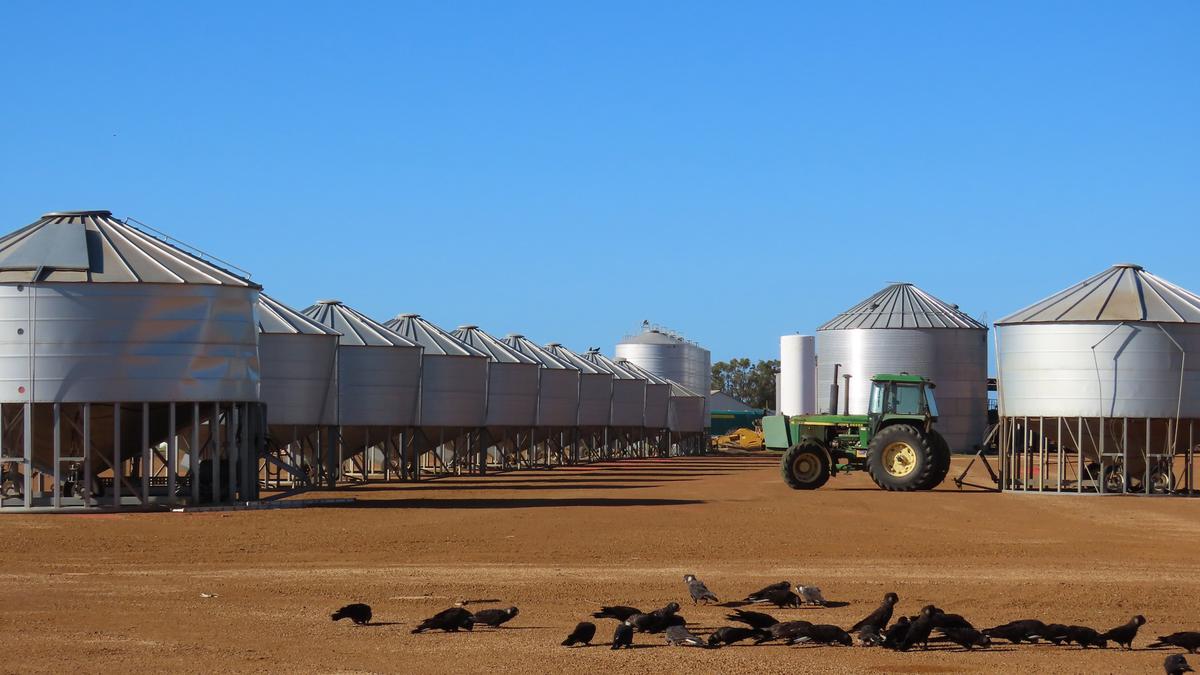
The research team fitted wild Carnaby’s black cockatoos with GPS and ARGOS satellite tags over three breeding seasons, generating high-resolution spatial data on individual bird movements across the Wheatbelt. This allowed researchers to identify specific sites of repeated use, particularly grain silo complexes where seed spills accumulate on the ground and attract foraging birds. Seed samples were then collected from these confirmed high-use foraging locations and subjected to multi-residue chemical analysis. The sample results were striking: 80 per cent of all seed samples collected contained one or more pesticides, and more than 50 per cent contained a complex mixture of three or more distinct chemical compounds simultaneously.
In total, 26 different pesticides were identified across the sample set. These included neonicotinoid insecticides, specifically imidacloprid, thiamethoxam, and clothianidin, which are known to be highly toxic to the nervous systems of birds and invertebrates. Fungicides including difenoconazole and metalaxyl were also detected. Critically, several samples contained pesticide concentrations that were hundreds of times higher than the Maximum Residue Limits (MRLs) established by the Australian Pesticides and Veterinary Medicines Authority (APVMA) under the Agricultural and Veterinary Chemicals Code Act 1994 (Cth) for food and animal feed. These MRLs represent the regulatory threshold for acceptable residue levels and are not trivially exceeded — concentrations at multiples of hundreds of times the MRL indicate acute contamination at point-of-exposure, not trace background residues.
The neurotoxic profile of the neonicotinoids detected is directly relevant to CHiPS. Imidacloprid, thiamethoxam, and clothianidin all act on nicotinic acetylcholine receptors in the central and peripheral nervous systems, and exposure at sufficient concentrations produces neuromuscular symptoms consistent with the hindlimb weakness and paralysis documented in affected cockatoos since 2012. The research does not characterise CHiPS as solely caused by pesticide exposure, but it establishes a clear and previously unrecognised toxicological pathway that must now be incorporated into any serious ecological risk characterisation for this species. The birds’ behaviour compounds the risk: GPS data confirmed that individual birds return repeatedly to the same contaminated silo sites, meaning exposure is chronic and cumulative rather than a single acute event.
It is also relevant from a comparative regulatory standpoint that several of the neonicotinoids identified in this study are already subject to significant restrictions or outright bans in the European Union and across parts of North America, due to documented risks to non-target species. Australia’s regulatory settings under the APVMA framework have not yet moved to equivalent restrictions, creating a material divergence between Australian agricultural chemical use and the standards now applied in comparator jurisdictions. This regulatory gap is expected to attract increasing scrutiny from the Commonwealth Department of Climate Change, Energy, the Environment and Water, as well as from state environment agencies in Western Australia.
Australian context: EPBC Act, ASC NEPM 2013, and ecological risk assessment practice
Carnaby’s black cockatoo is listed as Endangered under the EPBC Act, and the species has an approved Conservation Advice and recovery plan that informs what constitutes a significant impact under the Act. Any action by a person or organisation that is likely to have a significant impact on a listed threatened species requires referral to the Commonwealth Minister for the Environment, and may require formal assessment and approval under the EPBC Act before it can proceed. In the context of this research, the demonstrated scale of pesticide contamination at grain silo sites used by Carnaby’s black cockatoos raises direct questions about whether operators of such facilities, or developers proposing new grain handling or logistics infrastructure near known foraging habitat, have adequately characterised and managed their exposure to EPBC Act obligations.
The Australian Soil and Contamination National Environment Protection Measure 2013 (ASC NEPM 2013) is also relevant to how contamination at foraging sites should be assessed and reported. The ASC NEPM 2013 provides the national framework for assessment of site contamination, including ecological investigation levels and health screening levels applicable to chemical residues in soil and related media. Where pesticide contamination at grain silo sites meets the threshold for site contamination under applicable state legislation, the ASC NEPM 2013 framework would apply to any formal assessment of ecological risk at those locations. Environmental consultants undertaking ecological risk assessments at or adjacent to grain handling facilities in the Wheatbelt should now consider whether their assessment scope and methodology is consistent with both the EPBC Act significance threshold and the ASC NEPM 2013 framework, given the contamination profiles documented in this research.
References and related sources
- Primary source: www.murdoch.edu.au
- thewest.com.au
- indiatimes.com
- nsw.gov.au
- sers.net.au
- EPBC Act
How iEnvi can help
iEnvi provides specialist consulting services relevant to this topic. Our team includes CEnvP Site Contamination Specialists with experience across contaminated land, groundwater, remediation, ecology, and regulatory compliance.
- iEnvi remediation services
- iEnvi groundwater services
- iEnvi expert services and independent review services
This is an iEnvi Machete news summary. Prepared by iEnvi to summarise the source article for contaminated land, groundwater, remediation, approvals and site risk professionals.
Published: 21 Jul 2026
Need advice on this topic? Speak to an iEnvi expert at info@ienvi.com.au or 1300 043 684, or contact us online.
Need advice on this issue? iEnvi provides practical, senior-led environmental consulting across contaminated land, remediation, ecology and environmental risk.
Team credentials Ecological risk assessment Contaminated land services Remediation services Talk to iEnvi