
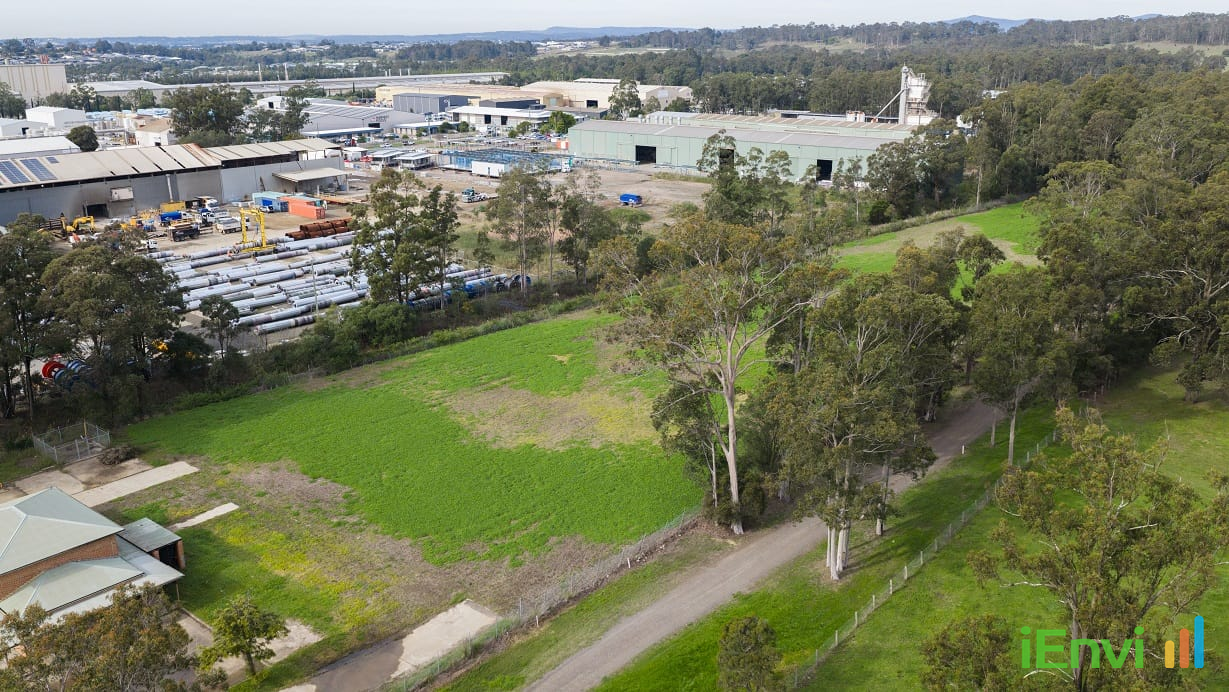
Overview of the Truegain Rutherford Legacy Contamination
The New South Wales Government has officially completed the $19 million remediation of the former Truegain waste oil processing facility in Rutherford, in the Lower Hunter region. The completion of Stage 2 works in July 2024 marks the end of one of the state’s most protracted and technically complex legacy contamination cases in recent NSW history. The 1.2-hectare site sat abandoned for nearly a decade after Truegain Pty Ltd entered liquidation in 2016, leaving behind a catastrophic mixture of per- and poly-fluoroalkyl substances (PFAS), heavy metals, hydrocarbons, acidic sludge, and asbestos-containing materials. With no solvent party to fund the clean-up, the NSW Government was compelled to compulsorily acquire the land and assume full remediation liability at public expense.
For environmental practitioners, developers, lawyers, and local councils, the Truegain case is more than a remediation milestone. It is a textbook demonstration of how legacy industrial liabilities can escalate into eight-figure public expenditure when corporate insolvency intersects with inadequate regulatory compliance and poor operational stewardship. The site had been the subject of regulatory action well before its abandonment, with Truegain’s trade waste permit suspended due to high-concentration PFAS discharges and its Environment Protection Licence (EPL) suspended in 2016 and later revoked in 2018. These are not edge-case regulatory failures but a sequence of escalating non-compliances that should have prompted early due diligence flags by any party with a financial or legal interest in the land.
The project was managed by Property and Development NSW (PDNSW) through the Waste Assets Management Corporation (WAMC). Following the completion of Stage 2 works, an independent NSW EPA-accredited Site Auditor formally verified the site as fully validated and suitable for ongoing commercial or industrial reuse. That sign-off under the Contaminated Land Management Act 1997 (NSW) (CLM Act) represents the culmination of a multi-year programme involving demolition, hazardous liquid waste treatment, soil excavation, underground tank removal, and clean fill importation. The total quantum of material managed across both stages runs to tens of thousands of tonnes.
Key details of the Truegain Rutherford remediation project
The remediation was structured across two discrete stages, each addressing distinct contamination pathways and infrastructure types. Stage 1, completed in late 2023, focused on above-ground infrastructure demolition and the treatment and off-site disposal of more than 11,000 tonnes of toxic industrial liquid waste, acidic sludge, and grease. This phase also involved the removal of 135 steel containment tanks along with more than 400 storage tanks and intermediate bulk containers across the broader facility footprint. The sheer volume of liquid waste processed in Stage 1 reflects the scale of operational activity that had occurred at the site over years of waste oil processing, and the corresponding complexity of managing multiple hazardous waste streams concurrently.
Stage 2, completed in July 2024, required the excavation and off-site disposal of approximately 15,000 tonnes of heavily contaminated soil from beneath the former facility. The soil was impacted by a complex and co-mingled contamination profile: PFAS compounds, heavy metals, petroleum hydrocarbons, and asbestos. This co-mingled nature is particularly significant from a waste classification standpoint, as each contaminant class carries different regulatory requirements for characterisation, classification, transport, and disposal under NSW EPA guidelines. Stage 2 also involved the removal of hydrocarbon-impacted concrete slabs and the excavation of a 50,000-litre underground storage tank (UST). Following excavation, the site was backfilled with imported, verified clean fill to restore the land to a level suitable for commercial and industrial redevelopment.
The disposal of 15,000 tonnes of PFAS-impacted soil required strict compliance with the PFAS National Environmental Management Plan Version 3.0 (PFAS NEMP 3.0), which provides the current national framework for investigation, risk assessment, and management of PFAS-contaminated materials in Australia. PFAS NEMP 3.0 sets out specific requirements for the characterisation of PFAS-impacted soils before off-site disposal, including analysis for the full suite of PFAS analytes, and requires that receiving facilities are appropriately licensed to accept such materials. The concurrent presence of asbestos and heavy metals meant that waste classification and stockpile management needed to address multiple regulatory streams simultaneously, demanding rigorous segregation protocols to prevent clean fill or lower-classification waste from becoming contaminated during civil operations.
The regulatory enforcement history of this site is equally instructive for practitioners advising clients on director liability. The NSW EPA launched cost-recovery proceedings against Truegain’s director following the company’s liquidation. Those proceedings resulted in a Land and Environment Court order requiring the director to pay $1.2 million toward remediation costs. While this figure represents only a fraction of the total $19 million public expenditure, the successful personal prosecution establishes an important precedent: corporate insolvency does not extinguish personal liability for environmental harm, and directors of companies holding Environment Protection Licences face direct financial exposure when gross mismanagement of an environmental risk results in orphan site conditions.
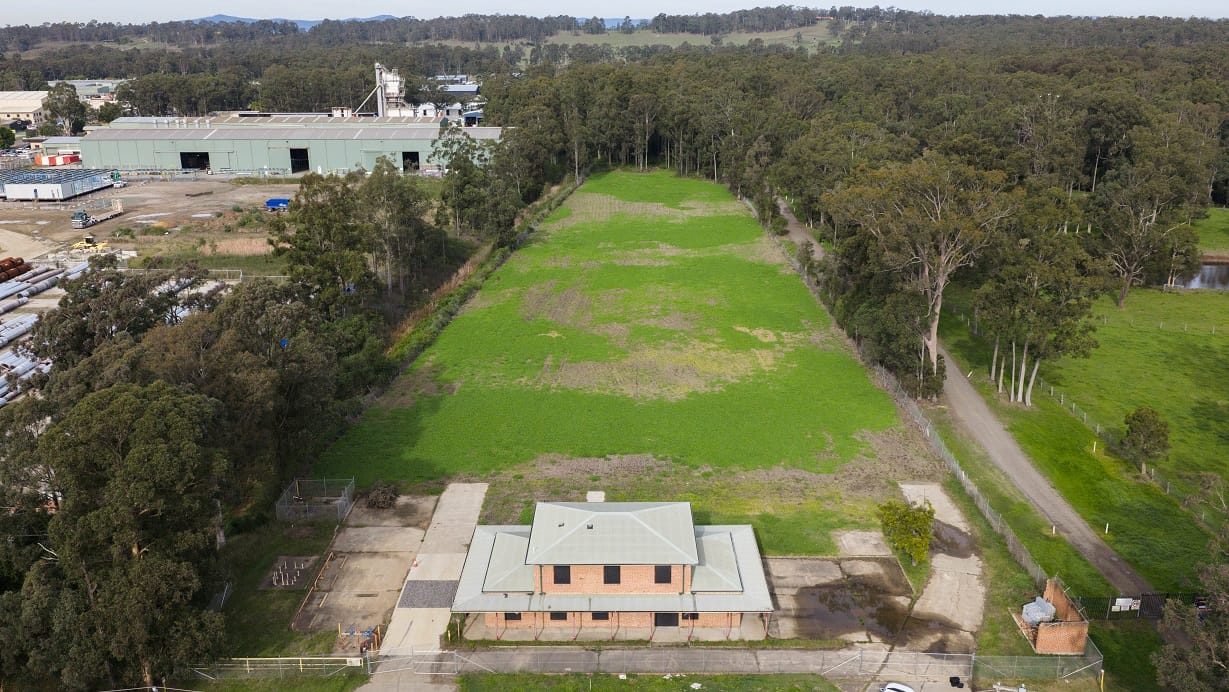
Australian context: orphan contaminated sites, compulsory acquisition, and the CLM Act framework
The Truegain case sits squarely within a well-established but often underappreciated regulatory mechanism in NSW. Under the Contaminated Land Management Act 1997 (NSW), the EPA has authority to issue regulatory orders requiring investigation or remediation of significantly contaminated land, and where a responsible party cannot be identified or is insolvent, the Government may step in as the remediating authority of last resort. Compulsory acquisition of the Truegain site was the mechanism by which the NSW Government assumed both ownership and remediation liability, enabling PDNSW and WAMC to procure and manage the works as a public asset project rather than an enforcement action against a defunct entity.
This model — government acquisition of orphan industrial sites followed by publicly funded remediation and validation — is not unique to NSW, but the Truegain project represents one of the more substantial recent examples in terms of cost, complexity, and the breadth of contaminants addressed. The case reinforces longstanding guidance from the NSW EPA and contaminated land practitioners that early regulatory intervention, robust EPL conditions, and meaningful financial assurance mechanisms are essential tools for preventing the socialisation of private industrial risk.
For due diligence practitioners, the Truegain precedent underscores the importance of reviewing EPL compliance histories, trade waste permit status, and corporate solvency indicators as part of any environmental assessment of industrial landholdings. A site with a history of licence suspensions, PFAS-related regulatory action, and a corporate structure in financial distress represents a convergence of risk factors that should trigger heightened scrutiny well before any transaction or lending decision is finalised.
References and related sources
- Primary source: www.nsw.gov.au
- newy.com.au
- nsw.gov.au
- nsw.gov.au
- nsw.gov.au
- PFAS National Environmental Management Plan (NEMP)
- NSW EPA
How iEnvi can help
iEnvi provides specialist consulting services relevant to this topic. Our team includes CEnvP Site Contamination Specialists with experience across contaminated land, groundwater, remediation, ecology, and regulatory compliance.
- iEnvi contaminated land services
- iEnvi remediation services
- iEnvi asbestos services
- iEnvi expert services and independent review services
This is an iEnvi Machete news summary. Prepared by iEnvi to summarise the source article for contaminated land, groundwater, remediation, approvals and site risk professionals.
Published: 29 Jul 2026
Need advice on this topic? Speak to an iEnvi expert at info@ienvi.com.au or 1300 043 684, or contact us online.
Need advice on this issue? iEnvi provides practical, senior-led environmental consulting across contaminated land, remediation, ecology and environmental risk.
UPSS and petroleum site services Team credentials Environmental management plans Contaminated land advice Talk to iEnvi