

Impacts of Aquaculture Nutrient Loading
A major report released in May 2026 by the Sunstone Institute has quantified the nutrient pollution burden generated by Norwegian open-net salmon farming at a scale that has alarmed marine ecologists and water quality scientists internationally. According to the report, Norwegian aquaculture operations discharged approximately 75,000 tonnes of nitrogen, 13,000 tonnes of phosphorus, and 360,000 tonnes of organic carbon into Norwegian fjords and coastal marine environments during 2025 alone. To contextualise that volume, the Sunstone Institute calculated that this nutrient load is equivalent to the raw, untreated sewage produced annually by a population the size of Australia, exceeding 26 million people, being discharged directly into coastal waters without any treatment whatsoever.
The mechanism driving the ecological harm is well understood, even if the scale of the Norwegian data is confronting. Accumulations of fish sludge comprising faecal matter, uneaten feed, and dissolved urine settle beneath and around open-net pen structures. As this organic material decomposes, it exerts a biochemical oxygen demand on the surrounding water column. Combined with the direct nutrient enrichment from dissolved nitrogen and phosphorus, the conditions produced are conducive to hypoxic events and destructive phytoplankton blooms, particularly during summer months when stratification of the water column limits oxygen replenishment from surface mixing. The seasonal timing is critical: marine ecosystems are least capable of buffering excess nutrient inputs during the warmer months when biological oxygen demand is already elevated.
For Australian environmental professionals, this report carries weight well beyond its Norwegian context. Australia operates its own substantial open-net marine aquaculture sector, most prominently the Atlantic salmon farming industry concentrated in Tasmanian coastal waters. The Sunstone Institute findings reinforce longstanding scientific concerns about the carrying capacity of semi-enclosed coastal bays and inlets under sustained aquaculture pressure, and they sharpen the regulatory and technical questions that practitioners, planners, and operators must address when preparing and reviewing environmental assessments for coastal aquaculture projects.
Key details of Norwegian aquaculture nutrient pollution findings
The headline figures from the Sunstone Institute report are specific and consequential. In the 2025 reporting period, Norwegian open-net fish farms collectively discharged 75,000 tonnes of nitrogen and 13,000 tonnes of phosphorus into marine receiving environments. These are not estimates of what might escape containment under adverse conditions; they represent the modelled annual output of the industry under ordinary operating conditions. The 360,000 tonnes of organic carbon discharged represents the decomposable fraction of fish sludge that drives oxygen depletion through microbial breakdown. The sewage-equivalence calculation, placing the total nutrient load on par with the untreated waste stream of roughly 26 million people, is a deliberate and instructive framing that allows regulators and the public to grasp the effective ecological footprint of an industry that is frequently presented as a low-impact food production system.
The ecological consequences identified in the report focus primarily on two pathways. The first is sediment enrichment and benthic habitat degradation directly beneath and adjacent to pen structures, where the settling of particulate organic matter creates anoxic or hypoxic conditions in bottom sediments, eliminating or severely reducing benthic invertebrate communities. The second pathway is water column eutrophication, where the dissolved fractions of nitrogen and phosphorus fuel algal growth. Phytoplankton blooms, when they collapse and decompose, further deplete dissolved oxygen in the water column, extending the zone of ecological impact well beyond the immediate footprint of the farm structure. The report specifically identifies summer stratification as the period of greatest risk, because the thermocline that develops in warmer months physically separates oxygenated surface waters from deeper waters, preventing the natural reoxygenation that would otherwise moderate the effects of organic loading.
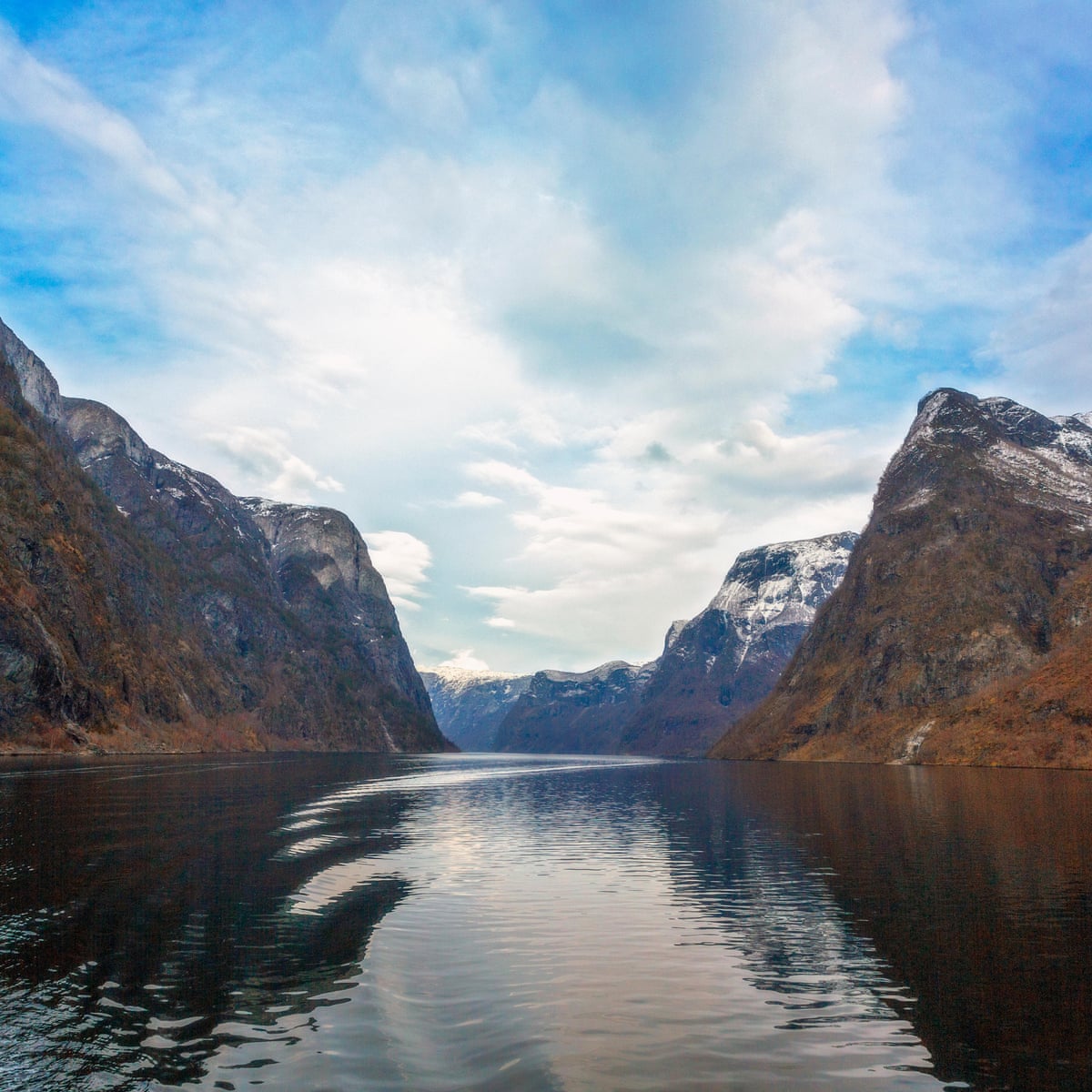
The phosphorus figure of 13,000 tonnes per year warrants particular attention because phosphorus is the primary limiting nutrient for algal growth in many marine and estuarine systems. In enclosed or semi-enclosed fjords and bays with restricted tidal flushing, the accumulation of bioavailable phosphorus can trigger persistent bloom conditions that recur seasonally rather than resolving between production cycles. This is a fundamentally different risk profile from a well-flushed open-coast environment, and it highlights the importance of site-specific hydrodynamic modelling in any nutrient impact assessment. The Sunstone Institute report makes clear that the Norwegian industry’s geographic concentration in fjordic environments, which are characteristically poorly flushed relative to their volume, has amplified the ecological impact of what might otherwise be a more dispersed nutrient load.
The report does not assess individual farm-level contributions or propose specific reduction targets, but its aggregated national figures provide a benchmark against which the performance of regulatory frameworks can be measured. The Norwegian industry is among the most commercially significant salmon producers globally, with production volumes that dwarf those of Australian operations. However, the per-tonne nutrient discharge ratios implicit in the Sunstone Institute data are relevant to any open-net production system regardless of national context, because the fundamental biology of feed conversion, fish metabolism, and waste generation does not vary significantly across jurisdictions.

References and related sources
- Primary source: www.theguardian.com
- https://www.theguardian.com/environment/2026/may/04/norwegian-fish-farms-polluti
- ANZG Water Quality Guidelines
How iEnvi can help
iEnvi provides specialist consulting services relevant to this topic. Our team includes CEnvP Site Contamination Specialists with experience across contaminated land, groundwater, remediation, ecology, and regulatory compliance.
- iEnvi contaminated land investigation services
- iEnvi remediation and validation services
- iEnvi expert services and independent review services
This is an iEnvi Machete news summary. Prepared by iEnvi to summarise the source article for contaminated land, groundwater, remediation, approvals and site risk professionals.
Published: 05 May 2026
Need advice on this topic? Speak to an iEnvi expert at info@ienvi.com.au or 1300 043 684, or contact us online.
Need advice on this issue? iEnvi provides practical, senior-led environmental consulting across contaminated land, remediation, ecology and environmental risk.
Contaminated land services Remediation services Groundwater services Ecological assessment Talk to iEnvi