
NSW EPA Commences POEO Amending Regulation 2026: ENM and VENM Added to Waste Levy Daily Cover Deductions
Overview
The NSW Environment Protection Authority (EPA) formally commenced the Protection of the Environment Operations Legislation Amendment (Miscellaneous) Regulation 2026 on 1 June 2026, introducing a suite of targeted changes to the state’s waste levy framework and environment protection licensing regime. The amendments are rolling out in two distinct phases, with the first tranche commencing on 29 May 2026 and the waste-specific provisions taking effect on 1 June 2026. For environmental consultants, developers, civil contractors, and licensed site operators in NSW, this regulation makes immediate and practical changes to how clean excavated soils are treated within the waste levy system.
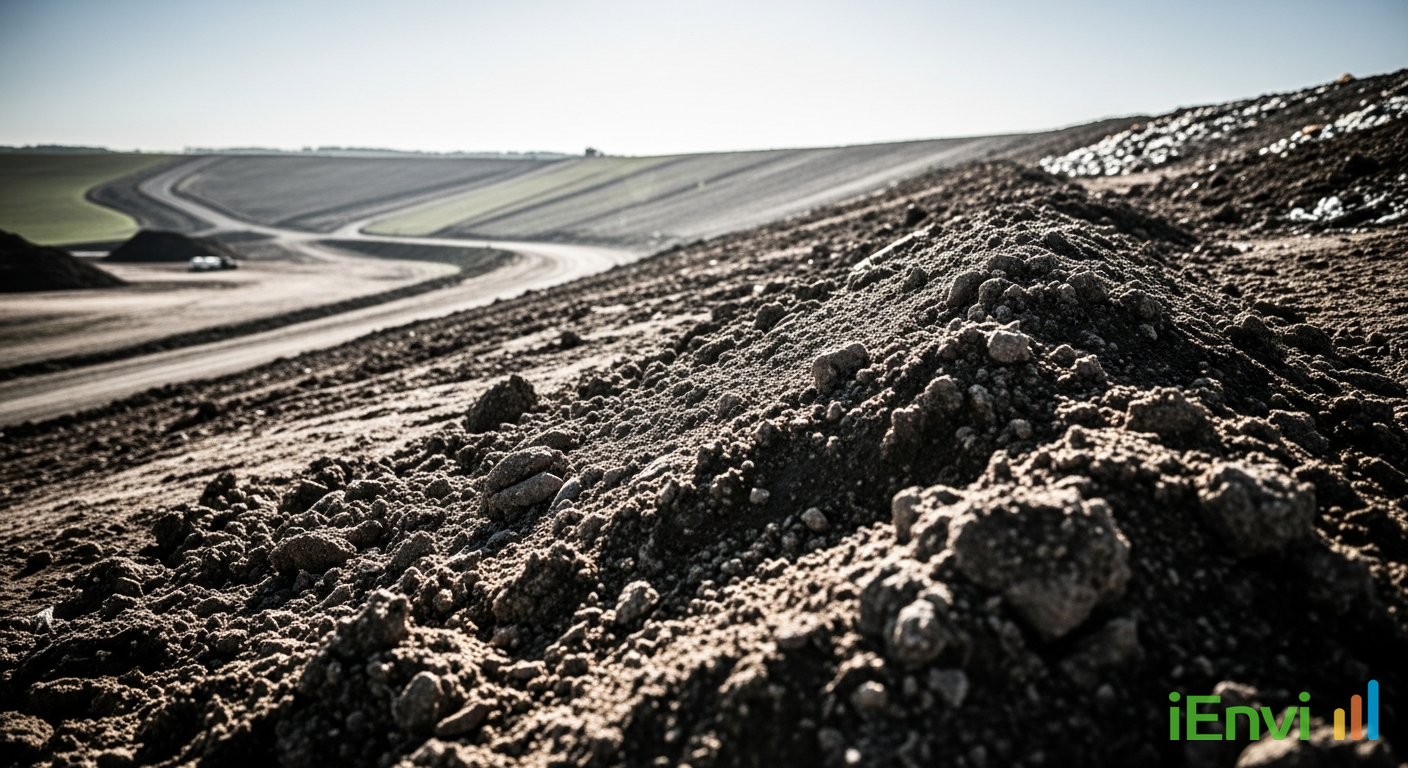
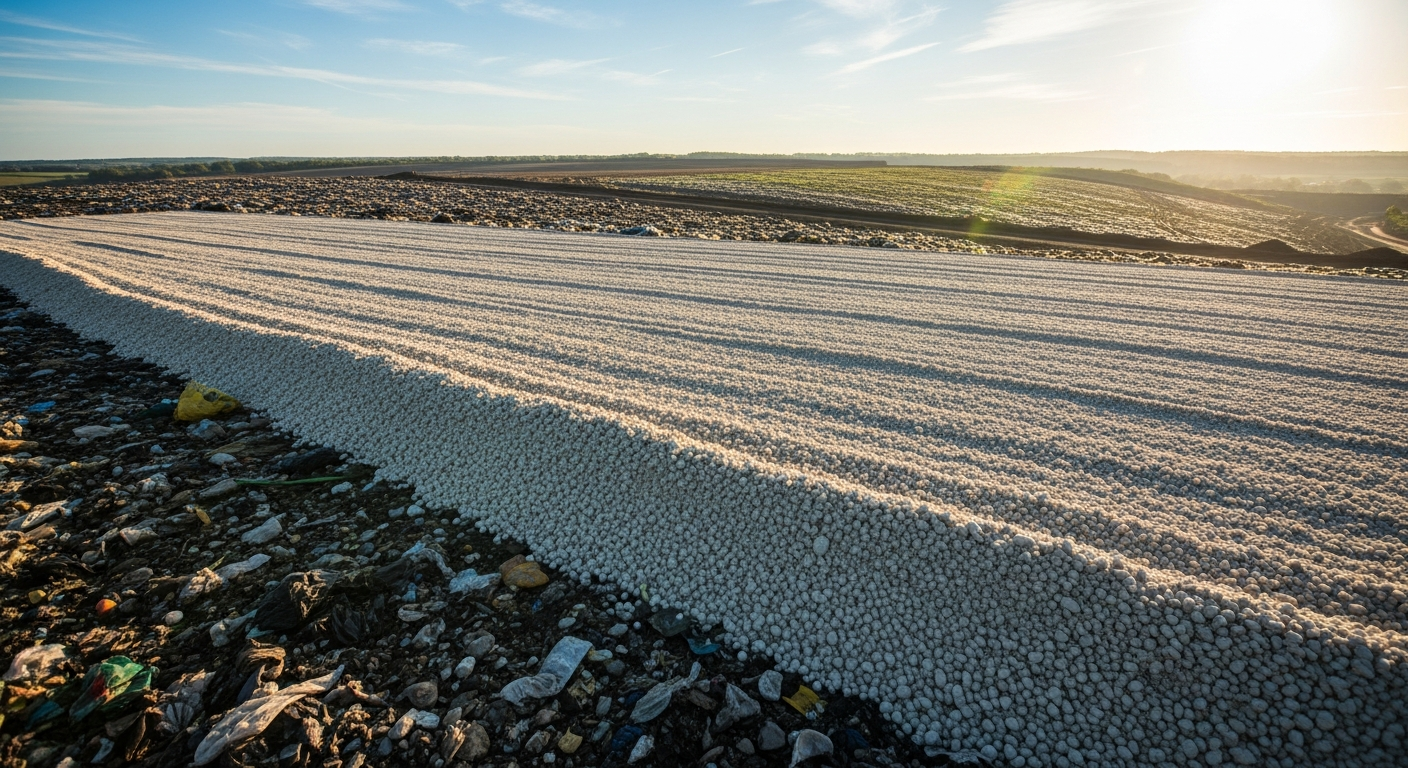
The most operationally significant change is the formal addition of Virgin Excavated Natural Material (VENM) and Excavated Natural Material (ENM) to the list of approved materials under Clause 15 of the Protection of the Environment Operations (Waste) Regulation 2014. Landfill operators can now claim a waste levy deduction when these materials are used as daily cover, subject to EPA approval. This creates a direct financial mechanism to encourage the beneficial reuse of clean excavated soils that would otherwise be disposed of as general solid waste, attracting the full levy rate. For major construction, civil infrastructure, and remediation projects generating large volumes of excavated material, this change has real consequences for material management planning and project budgeting.
Beyond the VENM and ENM changes, the regulation also extends two existing concessions. The concessional levy rate for prescribed shredder floc and the disposal exemption for Mixed Waste Organic Outputs (MWOO) have both been extended, providing continuity for those industry sectors while longer-term policy positions are developed. Taken together, these amendments signal a deliberate policy direction in NSW towards pragmatic, circular-economy-aligned waste regulation rather than a rigid application of levy obligations to materials with legitimate beneficial reuse value.
Key details of the POEO Amending Regulation 2026
The regulation is structured as two separate commencement tranches. The first, commencing 29 May 2026, amends the Protection of the Environment Operations (General) Regulation 2022 and Schedule 1 of the Protection of the Environment Operations Act 1997 (POEO Act). These changes clarify and align the definitions of scheduled activities across the NSW environmental licensing framework, including the terminology used within individual Environment Protection Licences (EPLs). This is a technical but important correction: inconsistencies between the Act, the regulation, and individual licence schedules have historically created ambiguity about whether specific operations trigger licensing thresholds or obligations. The alignment reduces that ambiguity and should simplify compliance assessments for both operators and auditors.
The second tranche, commencing 1 June 2026, amends the Protection of the Environment Operations (Waste) Regulation 2014 in three separate respects. Under Clause 15, VENM and ENM are now formally listed as approved materials for daily cover levy deductions at landfills. The deduction is not automatic: it applies where the materials are used as daily cover in accordance with an EPA approval. This approval pathway is an important practical detail. Landfill operators wishing to claim the deduction will need to ensure they hold the relevant EPA approval and that their operational records clearly document the volumes of VENM and ENM used in that capacity. For developers and contractors supplying these materials, confirming the receiving facility’s approval status before delivery will be essential to ensure the levy benefit actually flows through to reduced gate rates.
Under Clause 12, the concessional waste levy rate for prescribed shredder floc has been extended to 31 August 2027. Shredder floc, the residual material generated from end-of-life vehicle shredding operations, has a concessional levy status because of the practical difficulties in diverting it from landfill. The extension provides the industry with an additional period of reduced levy obligations while recycling infrastructure and processing capacity continues to develop. Separately, under Clause 21A, the repeal date of the waste levy exemption for the disposal of Mixed Waste Organic Outputs (MWOO) has been extended to 1 September 2027. MWOO is the organic fraction recovered from mixed solid waste processing, and its exemption reflects the policy intent to support resource recovery operations that divert organic material from landfill. Both extensions are time-limited and operators should treat the 2027 deadlines as firm planning horizons rather than assumptions of further continuity.
On the VENM and ENM daily cover change specifically, it is worth understanding the existing classification framework. VENM is uncontaminated natural material such as clay, gravel, sand, soil, and rock that has been excavated from areas that are not contaminated within the meaning of the Contaminated Land Management Act 1997. ENM is excavated natural material that does not meet the VENM threshold but satisfies specific criteria under NSW EPA resource recovery orders and exemptions. Both classifications have established pathways under NSW waste regulation, including reuse exemptions for fill applications. The Clause 15 daily cover deduction now adds landfill operational use as an additional sanctioned pathway, which is relevant where a project generates volumes of ENM or VENM that exceed available reuse demand on or near the project site.
Australian context: how these changes fit within NSW and national waste policy
References and related sources
- Primary source: www.epa.nsw.gov.au
- epa.vic.gov.au
- amazonaws.com
- nsw.gov.au
- NSW EPA
How iEnvi can help
iEnvi provides specialist consulting services relevant to this topic. Our team includes CEnvP Site Contamination Specialists with experience across contaminated land, groundwater, remediation, ecology, and regulatory compliance.
- iEnvi remediation services
- iEnvi contaminated land investigation services
- iEnvi expert services and independent review services
This is an iEnvi Machete news summary. Prepared by iEnvi to summarise the source article for contaminated land, groundwater, remediation, approvals and site risk professionals.
Published: 02 Jun 2026
Need advice on this topic? Speak to an iEnvi expert at info@ienvi.com.au or 1300 043 684, or contact us online.