
Overview: NSW Government completes $19 million remediation of former Truegain waste oil site in Rutherford
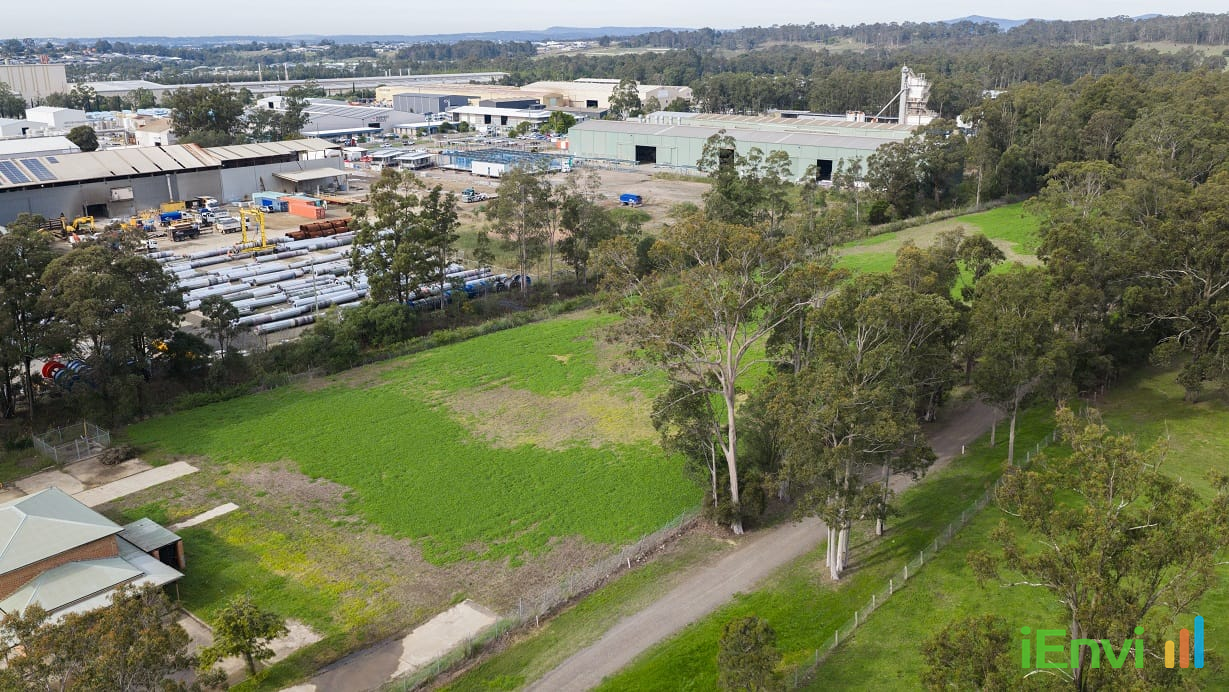
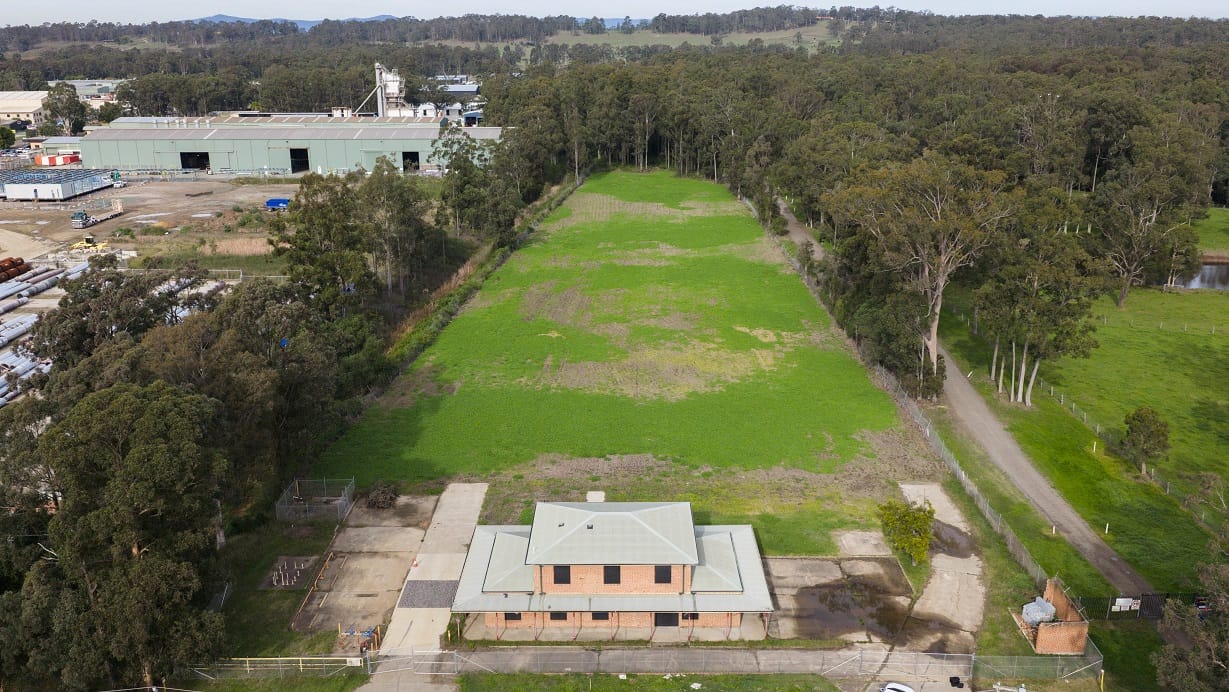
The NSW Government has announced the successful completion of the final stage of remediation at the former Truegain waste oil processing facility in Rutherford, near Maitland in the Hunter region. The 1.2-hectare site, widely regarded as one of the most severely contaminated industrial properties in the Lower Hunter, has been cleared following a multi-year, two-stage remediation programme delivered by the Waste Assets Management Corporation (WAMC), a division of Property and Development NSW (PDNSW). The total cost of the clean-up reached $19 million in public funds, a figure that highlights the enormous financial burden orphan contaminated sites can impose on the state when a responsible party exits through liquidation.
Truegain ceased operations in 2016 after the NSW Environment Protection Authority (EPA) suspended its Environment Protection Licence (EPL) and revoked its trade waste permit, following which the company entered liquidation. The site was left containing a deeply problematic mixture of industrial liquid waste, acidic sludge, PFAS-contaminated water, hydrocarbons, and above-ground infrastructure including more than 400 storage tanks and intermediate bulk containers (IBCs). Historical discharges into Stony Creek made the site a live environmental risk to the surrounding community and downstream watercourses for years before remediation commenced in earnest.
For Australian environmental consultants, site auditors, developers, and corporate solicitors, this case is instructive on multiple levels. It demonstrates the full arc of regulatory enforcement against an abandoned industrial polluter, from EPL suspension through to personal director convictions in the Land and Environment Court of NSW. It also illustrates the technical scope, audit requirements, and regulatory framework that govern the remediation of complex, multi-contaminant orphan sites under New South Wales law. The outcome provides a useful benchmark for practitioners advising clients on legacy liabilities, transaction due diligence, and corporate officer obligations across eastern Australia.
Key details: volumes, contaminants, project stages, and court outcomes
The remediation programme was structured in two distinct stages, each addressing different components of the site’s contamination profile. Stage 1, completed in 2023, focused on above-ground hazards and liquid waste. This involved the removal of more than 11,000 tonnes of industrial liquid waste and acidic sludge, together with the demolition and removal of over 400 storage tanks and IBCs that had accumulated across the 1.2-hectare property during Truegain’s operating years. The scale of liquid waste alone placed this stage among the most significant above-ground industrial waste removals undertaken at a single NSW site in recent memory.
Stage 2, completed in May 2024, addressed the subsurface contamination left behind once above-ground infrastructure was cleared. The works resulted in the excavation and off-site disposal of approximately 15,000 tonnes of heavily contaminated soil, along with hydrocarbon-impacted concrete slabs that had absorbed years of spillage and process losses. A 50,000-litre underground storage tank (UST) was also extracted during this stage. The total volume of contaminated material removed across both stages exceeded 26,000 tonnes, a figure that gives some indication of the operational intensity of the site during its working life and the extent of soil and substrate impact left behind.
The Stage 2 works were governed by a formal Remediation Action Plan (RAP) developed by PDNSW in conjunction with external environmental consultants. All works were reviewed and endorsed by a NSW EPA Accredited Site Auditor, which is the mandatory pathway to achieving regulatory sign-off under the Contaminated Land Management Act 1997 (NSW) (CLM Act) for a site of this classification. Auditor endorsement at each critical decision point, including waste classification, validation sampling, and final site condition confirmation, was central to the project’s ability to reach a state suitable for future commercial or industrial use.
On the enforcement side, Truegain’s director, Robert Pullinger, was convicted in the Land and Environment Court of NSW in November 2021 for failing to comply with clean-up and prohibition notices issued under the Protection of the Environment Operations Act 1997 (NSW) (POEO Act). The court ordered Pullinger to pay in excess of $400,000 in fines and investigation costs. This outcome is significant because it confirms that corporate insolvency does not extinguish the personal obligations of directors to comply with regulatory notices under the POEO Act, and that the EPA will pursue individual officers even where the company itself no longer exists as a viable entity. The conviction sits alongside the $19 million state remediation spend as a dual measure of the financial consequences that can flow from abandoning a contaminated site.
Australian context: orphan sites, the CLM Act, POEO Act enforcement, and PFAS NEMP 3.0 obligations
The Truegain case is a textbook example of the orphan site problem that the Contaminated Land Management Act 1997 (NSW) was specifically designed to address. Under the CLM Act, where a site is declared significantly contaminated and the responsible party cannot be identified, located, or compelled to act, the Secretary of the NSW EPA has the power to arrange for remediation and recover costs from any person who has contributed to the contamination. When Truegain entered liquidation, WAMC stepped in as the state’s remediation delivery vehicle, using public funds to eliminate the immediate risk to Stony Creek and the surrounding industrial precinct. This mechanism mirrors provisions in other jurisdictions, including Victoria’s Environment Protection Act 2017.
References and related sources
- Primary source: www.nsw.gov.au
- newy.com.au
- newcastleweekly.com.au
- nsw.gov.au
- nsw.gov.au
- PFAS National Environmental Management Plan (NEMP)
- NSW EPA
How iEnvi can help
iEnvi provides specialist consulting services relevant to this topic. Our team includes CEnvP Site Contamination Specialists with experience across contaminated land, groundwater, remediation, ecology, and regulatory compliance.
- iEnvi contaminated land services
- iEnvi remediation services
- iEnvi expert services and independent review services
This is an iEnvi Machete news summary. Prepared by iEnvi to summarise the source article for contaminated land, groundwater, remediation, approvals and site risk professionals.
Published: 29 Jul 2026
Need advice on this topic? Speak to an iEnvi expert at info@ienvi.com.au or 1300 043 684, or contact us online.
Need advice on this issue? iEnvi provides practical, senior-led environmental consulting across contaminated land, remediation, ecology and environmental risk.
UPSS and petroleum site services Team credentials Environmental management plans Contaminated land advice Talk to iEnvi