
Overview
On 21 July 2022, the Heidelberg Magistrates Court handed down what is understood to be the highest fine ever imposed on an individual for an environmental offence under the current Victorian legislation. Joseph Chetcuti, the landowner of a 19,000 square metre property at Black Gully Road, Diamond Creek, was fined $60,000 and ordered to pay $12,000 in legal costs after pleading guilty to operating a large-scale unlicensed waste facility. Beyond the financial penalties, the court issued a mandatory clean-up order directed at Chetcuti personally, for a remediation operation that EPA Victoria expects will cost well in excess of $1 million. The prosecution was brought under the Environment Protection Act 2017 (Vic), which has significantly strengthened enforcement powers since it replaced the older Environment Protection Act 1970 framework.
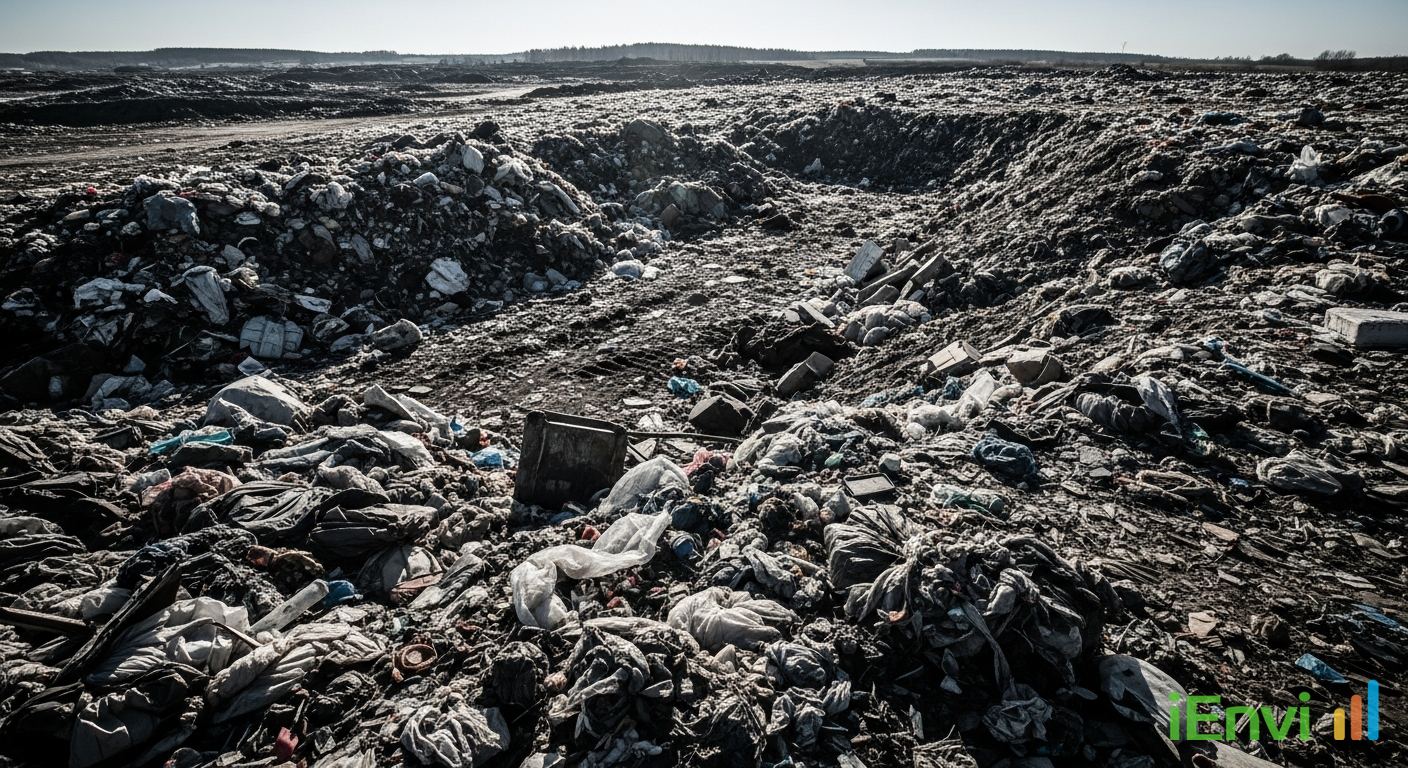
The case came to light in May 2020 when a major fire at the Diamond Creek property drew the attention of EPA Victoria and emergency services. What investigators found was not an opportunistic dumping incident but a highly organised commercial operation: industrial waste, including construction and demolition debris, was being received in commercial truckloads at the unlicensed site, with material being actively burned. Drone surveillance confirmed the scale and systematic nature of the activity. Subsequent soil testing revealed stockpiles contaminated with asbestos spread across the property. Despite being served an Environmental Action Notice in 2020/2021 directing him to cease accepting waste and classify the stockpiled materials, Chetcuti failed to comply, which escalated the matter directly to criminal prosecution.
For Australian environmental practitioners, property developers, transaction lawyers, and councils, this ruling carries implications that extend well beyond Victoria. It demonstrates how aggressively regulators are now prepared to pursue individuals under modernised environment protection legislation, and it establishes a critical precedent: clean-up obligations remain with the individual landowner regardless of any subsequent property transaction. The case should sharpen the focus of anyone involved in property due diligence, waste acceptance decisions on development sites, or environmental compliance advisory work.
Key details of the Diamond Creek prosecution
The prosecution rested on two primary breaches of the Environment Protection Act 2017 (Vic). The first was the unlawful disposal and burning of industrial waste, captured under Section 115 of the Act, which prohibits the unlicensed management, storage, and disposal of industrial and prescribed waste. The second, and arguably the more consequential from an enforcement escalation perspective, was the failure to comply with an Environmental Action Notice issued under Section 290(1) of the Act. The EAN required Chetcuti to immediately cease receiving waste at the property and to properly classify the stockpiled materials. Non-compliance with an EAN is treated as a standalone serious offence and is precisely the mechanism EPA Victoria used to fast-track the matter through the courts rather than allowing it to languish in protracted administrative negotiation.
The property in question spans 19,000 square metres, roughly 1.9 hectares, in Diamond Creek, a peri-urban area northeast of Melbourne. The material stockpiled on site included mixed construction and demolition debris and soils contaminated with asbestos. Asbestos contamination in fill and soil is assessed in Victoria against thresholds established under the National Environment Protection (Assessment of Site Contamination) Measure 2013 (NEPM 2013), which sets health investigation levels and provides methodology for sampling and analysis of asbestos in soil. Without formal characterisation and classification of the stockpiled materials under these frameworks, the receipt and potential onward transport of that material constituted an additional layer of regulatory breach. Any soil or fill containing asbestos must be classified under relevant waste classification provisions before it can be legally transported, treated, or disposed of, and failure at this step has serious implications for both the generator and the receiver of the material.
The fine of $60,000 is reported to be the highest penalty imposed on an individual under the current Environment Protection Act 2017 (Vic) framework, which came into force on 1 July 2021. The $12,000 costs order adds to that personal financial exposure, and both sums are separate from the remediation liability. EPA Victoria’s estimate that the clean-up will cost well over $1 million is credible given the combination of factors at play: the site footprint, the presence of asbestos-bearing material requiring specialist removal and validated disposal, the mixed nature of the construction and demolition waste, and the potential for soil and groundwater contamination beneath the stockpiles that will require investigation and likely ongoing monitoring. The total personal liability exposure for Chetcuti is therefore likely to exceed $1.07 million, excluding any ongoing monitoring or regulatory costs.
The use of drone surveillance by EPA Victoria in the investigation is also noteworthy from a technical enforcement standpoint. Remote sensing and aerial monitoring are now standard tools in EPA Victoria’s enforcement toolkit and enable regulators to gather photographic and video evidence of site activities without relying on complaint-based inspections. The evidence gathered through drone footage in this case directly supported the characterisation of the operation as systematic and commercial rather than inadvertent, which influenced both the severity of charges and the outcome in court.
Australian context: how this ruling intersects with contaminated land and waste frameworks nationally
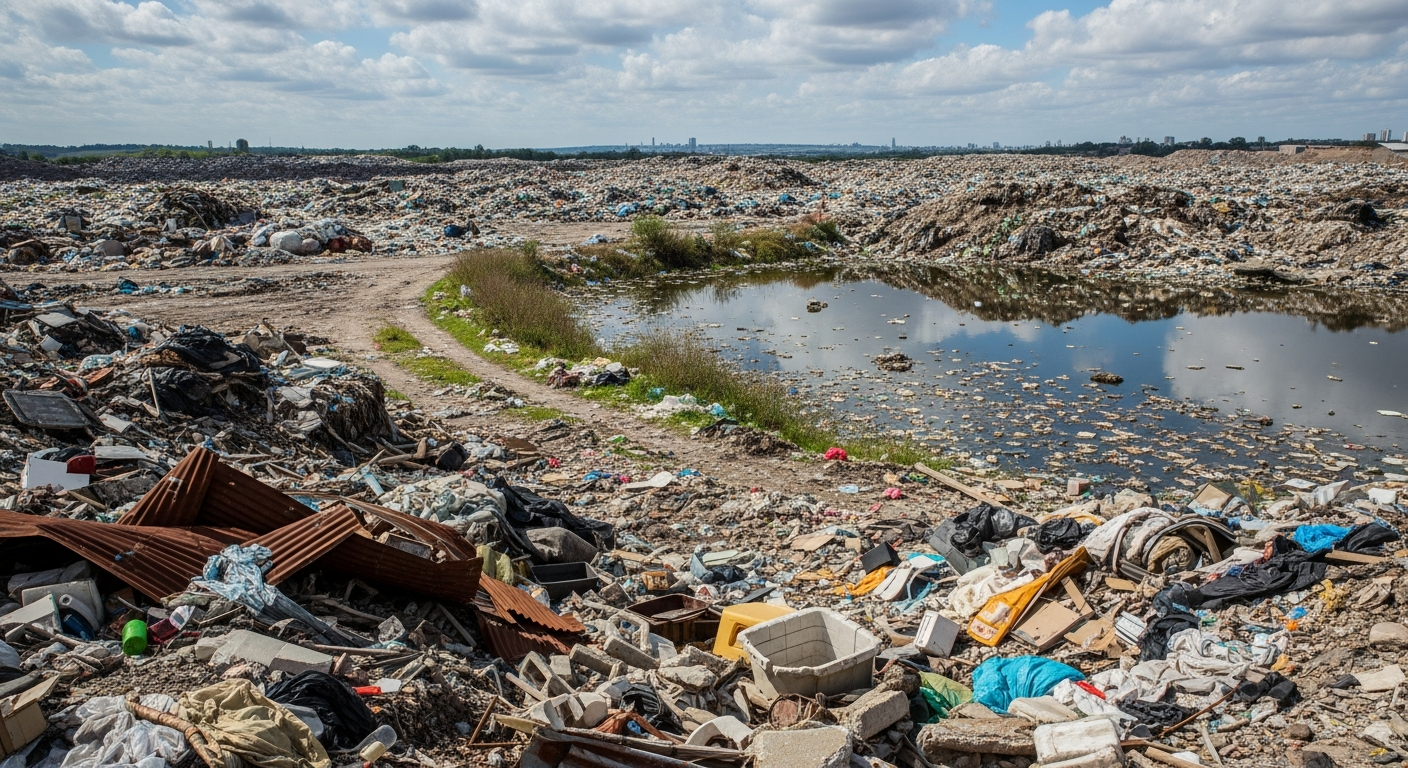
While this prosecution is a Victorian matter, the regulatory themes it raises are relevant across all Australian jurisdictions. Every state and territory operates its own environment protection legislation, waste licensing regime, and contaminated land framework, but the underlying principles — that unlicensed waste operations attract serious criminal liability, that clean-up obligations attach to landowners, and that non-compliance with regulatory notices escalates enforcement — are consistent nationally. For practitioners working across jurisdictions, the Diamond Creek case is a useful reference point for advising clients on the personal financial exposure that can follow from even a single site operating outside its regulatory boundaries.
References and related sources
- Primary source: www.epa.vic.gov.au
- epa.vic.gov.au
- epa.vic.gov.au
- NEPM Assessment of Site Contamination
- EPA Victoria
How iEnvi can help
iEnvi provides specialist consulting services relevant to this topic. Our team includes CEnvP Site Contamination Specialists with experience across contaminated land, groundwater, remediation, ecology, and regulatory compliance.
- iEnvi site assessment services
- iEnvi asbestos services
- iEnvi remediation and validation services
- iEnvi expert services and independent review services
This is an iEnvi Machete news summary. Prepared by iEnvi to summarise the source article for contaminated land, groundwater, remediation, approvals and site risk professionals.
Published: 27 Jul 2026
Need advice on this topic? Speak to an iEnvi expert at info@ienvi.com.au or 1300 043 684, or contact us online.
Need advice on this issue? iEnvi provides practical, senior-led environmental consulting across contaminated land, remediation, ecology and environmental risk.
Team credentials Contaminated land services Remediation services Groundwater services Talk to iEnvi