

Overview
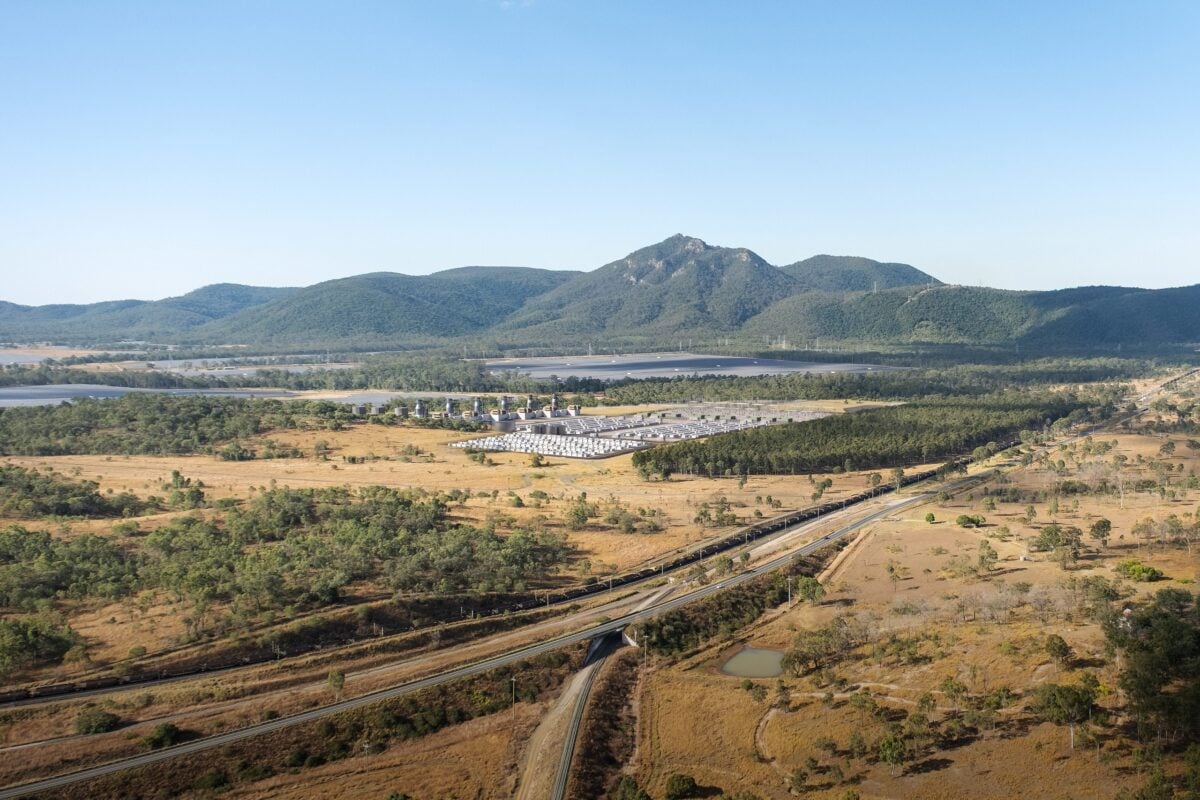
On 9 April 2026, Private Energy Partners formally submitted a large-scale hybrid energy project for federal environmental assessment under the Environment Protection and Biodiversity Conservation Act 1999 (Cth) (EPBC Act). The proposed development combines a 780 megawatt (MW) battery energy storage system (BESS) with up to 1,188 MW of gas-fired generation capacity, to be located within Queensland’s Gladstone State Development Area. The submission marks a notable moment in Australia’s energy transition, not only because of the project’s scale, but because of the deliberate ecological planning that underpins its design.
The project site covers approximately 194.58 hectares in total, but the proponents have elected to restrict the physical disturbance footprint to 131.8 hectares. That decision is not incidental. The remaining 54.5 hectares have been strategically set aside to avoid impacts on habitat assessed as potentially supporting Matters of National Environmental Significance (MNES), specifically the Squatter Pigeon (Geophaps scripta scripta), the Koala (Phascolarctos cinereus), and the Greater Glider (Petauroides volans). All three species carry federal listing obligations that trigger substantive assessment requirements under the EPBC Act.
For environmental consultants, project managers, lawyers, and developers navigating the federal approvals system, this submission is worth examining closely. It illustrates how upfront ecological constraint mapping, applied before engineering layouts are locked in, can materially shape a project’s regulatory trajectory. The approach also reflects a broader trend in the energy sector, where proponents are investing earlier and more heavily in ecology to reduce approval risk rather than managing it reactively through offsets or conditions.
Key details of the Private Energy Partners BESS and gas generation proposal
The proposed facility combines two distinct generation technologies within a single development envelope. The BESS component is rated at 780 MW, positioning it among the largest battery storage proposals submitted for federal assessment in Australia to date. The gas-fired generation component adds up to 1,188 MW of capacity, making the combined project a notable contributor to Queensland’s firming and peaking power supply. Both components sit within the Gladstone State Development Area, a declared area under the State Development and Public Works Organisation Act 1971 (Qld), which carries its own approval and coordination requirements at the state level alongside the federal EPBC Act process.
The total project area of approximately 194.58 hectares has been divided into a disturbance zone and a habitat avoidance zone. The 131.8-hectare disturbance footprint encompasses all infrastructure, construction activity, access roads, and operational areas. The 54.5-hectare avoidance area has been deliberately excluded from any direct disturbance to protect habitat values identified during pre-submission ecological assessment. The three MNES species driving this decision each carry different federal listing statuses and habitat requirements, but all three are known to occur or have the potential to occur within the broader Gladstone region, making targeted avoidance a legally and ecologically sound strategy.
The Squatter Pigeon (southern subspecies) is listed as Vulnerable under the EPBC Act and is associated with open grassy woodlands and grasslands, particularly in central and southern Queensland. The Koala is listed as Endangered under the EPBC Act following its national uplisting in 2022, reflecting sustained population declines driven by habitat loss, disease, and vehicle strikes. The Greater Glider was uplisted from Vulnerable to Endangered under the EPBC Act in 2022 following a dramatic population decline estimated at more than 80 per cent over a 20-year period across parts of its range. The presence of any one of these species in or near a proposed development site is sufficient to trigger the full suite of EPBC Act assessment obligations.
By structuring the disturbance footprint to avoid 54.5 hectares of sensitive habitat before the referral was lodged, the proponents have applied the first and most defensible step in the mitigation hierarchy: avoidance. This reduces the quantum of impact that must be assessed, mitigated, and potentially offset under federal requirements. It also reduces the complexity of any conditions of approval, since offset calculations under the EPBC Act’s Biodiversity Offset Policy are directly proportional to the area and quality of habitat disturbed. A smaller, more targeted disturbance footprint produces a smaller and more manageable offset obligation, or in some cases eliminates the need for offsets altogether where residual impacts can be characterised as acceptable.
Australian regulatory context for EPBC Act energy project assessments in Queensland
The EPBC Act remains the primary federal instrument governing impacts on MNES in Australia. Any action that has, will have, or is likely to have a significant impact on a listed threatened species, a listed ecological community, or other MNES triggers the referral and assessment process under Part 3 of the Act. For energy projects of this scale in Queensland, the referral process typically initiates a bilateral agreement pathway coordinated between the Commonwealth Department of Climate Change, Energy, the Environment and Water and the Queensland Department of Environment, Tourism, Science and Innovation. The Gladstone State Development Area designation under the State Development and Public Works Organisation Act 1971 (Qld) adds a parallel state-level approval framework, meaning the proponents must satisfy both jurisdictions concurrently.
Queensland’s Gladstone region has a long history of major industrial development.
References and related sources
- Primary source: www.energy-storage.news
- EPBC Act
How iEnvi can help
iEnvi provides specialist consulting services relevant to this topic. Our team includes CEnvP Site Contamination Specialists with experience across contaminated land, groundwater, remediation, ecology, and regulatory compliance.
- iEnvi contaminated land investigation services
- iEnvi remediation and validation services
- iEnvi expert services and independent review services
This is an iEnvi Machete news summary. Prepared by iEnvi to summarise the source article for contaminated land, groundwater, remediation, approvals and site risk professionals.
Published: 10 Apr 2026
Need advice on this topic? Speak to an iEnvi expert at info@ienvi.com.au or 1300 043 684, or contact us online.
Need advice on this issue? iEnvi provides practical, senior-led environmental consulting across contaminated land, remediation, ecology and environmental risk.
Team credentials Contaminated land services Remediation services Groundwater services Talk to iEnvi