

RMIT and Fire and Test Australasia Water Treatment Partnership Overview
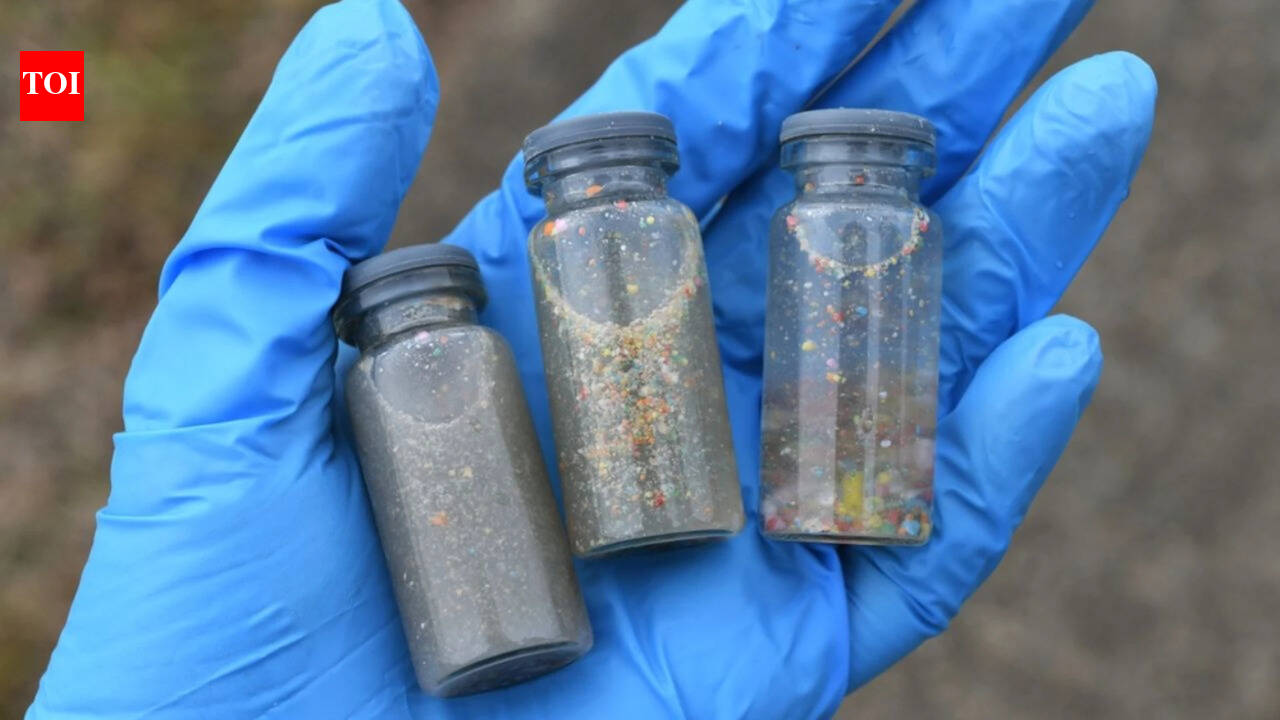
A commercial pilot partnership between Geelong-based, Indigenous-owned environmental services firm Fire and Test Australasia and RMIT University is advancing a magnetic adsorbent water treatment technology that simultaneously removes nanoplastics, heavy metals, and certain PFAS compounds from contaminated water. The collaboration centres on translating laboratory-proven science into field-applicable pilots for stormwater, industrial wastewater, and municipal water treatment systems. The underlying science was published in the Chemical Engineering Journal in a paper titled “Scalable room-temperature synthesis of a MOF-based magnetic adsorbent for rapid simultaneous removal of PFAS and micro-nanoplastics,” authored by lead researcher Dr Muhammad Haris alongside Professor Nicky Eshtiaghi and Associate Professor Nasir Mahmood from RMIT University.
The significance of this development for environmental practitioners managing contaminated sites, industrial facilities, and water infrastructure lies in what the technology targets. Nanoplastics, defined as plastic particles smaller than 100 nanometres, currently evade most conventional treatment processes. Standard filtration and coagulation-based systems used in commercial water treatment plants are not designed to capture particles at this scale. The RMIT-developed adsorbent powder has demonstrated removal of particles as small as 30 nanometres in laboratory testing, which represents a meaningful technical advance over currently deployed treatment options.
For developers, site managers, industrial operators, and councils managing contaminated stormwater or process water, the prospect of a single-step treatment process capable of targeting multiple contaminant classes simultaneously addresses a longstanding operational challenge. Multi-contaminant sites typically require sequential treatment trains, each targeting a specific chemical class, which increases capital cost, operational complexity, and the footprint of treatment infrastructure. Whether this laboratory and pilot-stage performance translates into field deployment at commercially viable scale remains the central question this partnership is working to answer.
Key details of the RMIT magnetic adsorbent technology
The core material is a metal-organic framework (MOF) based magnetic adsorbent powder, synthesised at room temperature. MOFs are porous crystalline materials with extremely high surface areas, which gives them strong adsorption capacity for a wide range of organic and inorganic contaminants. The room-temperature synthesis pathway is technically significant not merely for performance reasons but because it enables commercial scaling. The RMIT team reported that this production method increases material output fivefold compared to previous synthesis approaches and reduces production costs by approximately 75 per cent. For a treatment technology to be viable in infrastructure projects and remediation programmes, production economics are as critical as performance metrics, and this cost reduction addresses a barrier that has limited earlier generations of advanced adsorbent materials.
In laboratory testing, the adsorbent removed over 95 per cent of microplastics and nanoplastics within one hour, including particles as small as 30 nanometres. The material also cleared over 95 per cent of heavy metals including mercury, chromium, and copper, as well as pharmaceutical residues such as ibuprofen and industrial dyes. In practical trials using complex industrial laundry wastewater, the material extracted over 88 per cent of polyester microfibres and chemical dyes. The technology also demonstrated early-stage success in capturing large-molecule per- and polyfluoroalkyl substances (PFAS), though the specific PFAS compounds tested and their individual removal percentages have not been fully reported in publicly available sources at this stage. The distinction between large-molecule and short-chain PFAS performance is one that practitioners will need to monitor closely as further data emerges from the pilot programme.
A particularly relevant operational characteristic is the rate of contaminant capture. The adsorbent achieves up to 80 per cent contaminant removal within the first 15 minutes of contact, with total removal exceeding 95 per cent over one hour. This kinetic profile has practical implications for treatment system design, including contact time requirements, reactor sizing, and throughput calculations. The magnetic property of the adsorbent is also operationally important: once it has adsorbed contaminants, the spent powder can be separated from treated water using a magnetic field rather than filtration, which simplifies the recovery process and supports reusability of the material across multiple treatment cycles.
It is important to be precise about the mechanism. This is adsorption-based contaminant capture, not mineralisation or chemical destruction. PFAS compounds are concentrated onto the adsorbent surface rather than defluorinated or broken down. This distinction has direct consequences for how spent adsorbent material must be classified, handled, and disposed of under Australian waste management frameworks. The regulatory pathway for spent PFAS-laden adsorbent material is non-trivial and will require careful consideration as the technology moves from pilot to commercial deployment.
Australian context: PFAS, nanoplastics regulation, and water treatment obligations
Australia’s regulatory environment for PFAS in water is governed primarily by the PFAS National Environmental Management Plan (PFAS NEMP), currently in its third edition (PFAS NEMP 3.0, 2024). The PFAS NEMP sets investigation and screening levels for PFAS in groundwater, surface water, soil, and biota, and provides a framework for site assessment and remediation across jurisdictions. State EPAs in Queensland, New South Wales, Victoria, and other jurisdictions implement and enforce these guidelines within their respective regulatory frameworks. Queensland’s Department of the Environment, Science and Innovation (DESI), the NSW EPA, and EPA Victoria each apply the PFAS NEMP criteria through their own site contamination and environmental protection legislation, with varying requirements around notification, investigation triggers, and remediation obligations. Practitioners working across state boundaries must account for these jurisdictional differences when assessing how a technology such as the RMIT magnetic adsorbent fits within a compliant treatment and waste management approach.
References and related sources
- Primary source: firstnationsnews.com.au
- indiatimes.com
- nit.com.au
- news.cn
- rmit.edu.au
- PFAS National Environmental Management Plan (NEMP)
How iEnvi can help
iEnvi provides specialist consulting services relevant to this topic. Our team includes CEnvP Site Contamination Specialists with experience across contaminated land, groundwater, remediation, ecology, and regulatory compliance.
- iEnvi contaminated land services
- iEnvi remediation and validation services
- iEnvi expert services and independent review services
This is an iEnvi Machete news summary. Prepared by iEnvi to summarise the source article for contaminated land, groundwater, remediation, approvals and site risk professionals.
Published: 29 Jul 2026
Need advice on this topic? Speak to an iEnvi expert at info@ienvi.com.au or 1300 043 684, or contact us online.
Need advice on this issue? iEnvi provides practical, senior-led environmental consulting across contaminated land, remediation, ecology and environmental risk.
Team credentials Environmental management plans Contaminated land advice Remediation services Talk to iEnvi