

SA EPA Rejects Algal Bloom Filtration Sponge Over Zinc Leaching and Microplastic Contamination Risks
Overview
The South Australian Environment Protection Authority (SA EPA) has formally recommended against state government approval for a passive filtration technology proposed by SA Water Innovation (SAWI) to treat harmful algal blooms (HABs) at priority coastal locations in South Australia, including sites along the Yorke Peninsula. The decision, published on 7 June 2026, followed comprehensive laboratory and field testing overseen by SA EPA principal scientists and sanctioned by the Algal Bloom Cabinet Taskforce. The technology in question, the SORR Gyroid filtration sponge, is an engineered physical interception system designed to capture algal biomass and associated contaminants passively, without chemical dosing or active mechanical intervention.
The regulator’s rejection was not a procedural dismissal. It was grounded in empirical testing that identified two discrete and serious environmental hazards: the leaching of dissolved zinc at levels presenting a toxicity risk to marine organisms, and the potential release of microplastics and associated chemical contaminants from the sponge material itself into sensitive marine environments. In other words, a system designed to reduce one category of environmental harm was found to introduce at least two others. This outcome is significant not just for the proponent, but for the broader field of innovative remediation and water treatment technology assessment across Australia.
For environmental professionals, developers, and water quality managers working in coastal and estuarine settings, this decision signals a tightening of the evidentiary bar that novel physical treatment systems must clear before regulatory approval. It also reinforces the relevance of existing South Australian and national frameworks governing water quality and the duty of care owed to aquatic ecosystems. The case is a concrete example of why material-level due diligence on proposed treatment media is not optional, but a prerequisite for regulatory engagement.
Key details of the SA EPA assessment and findings
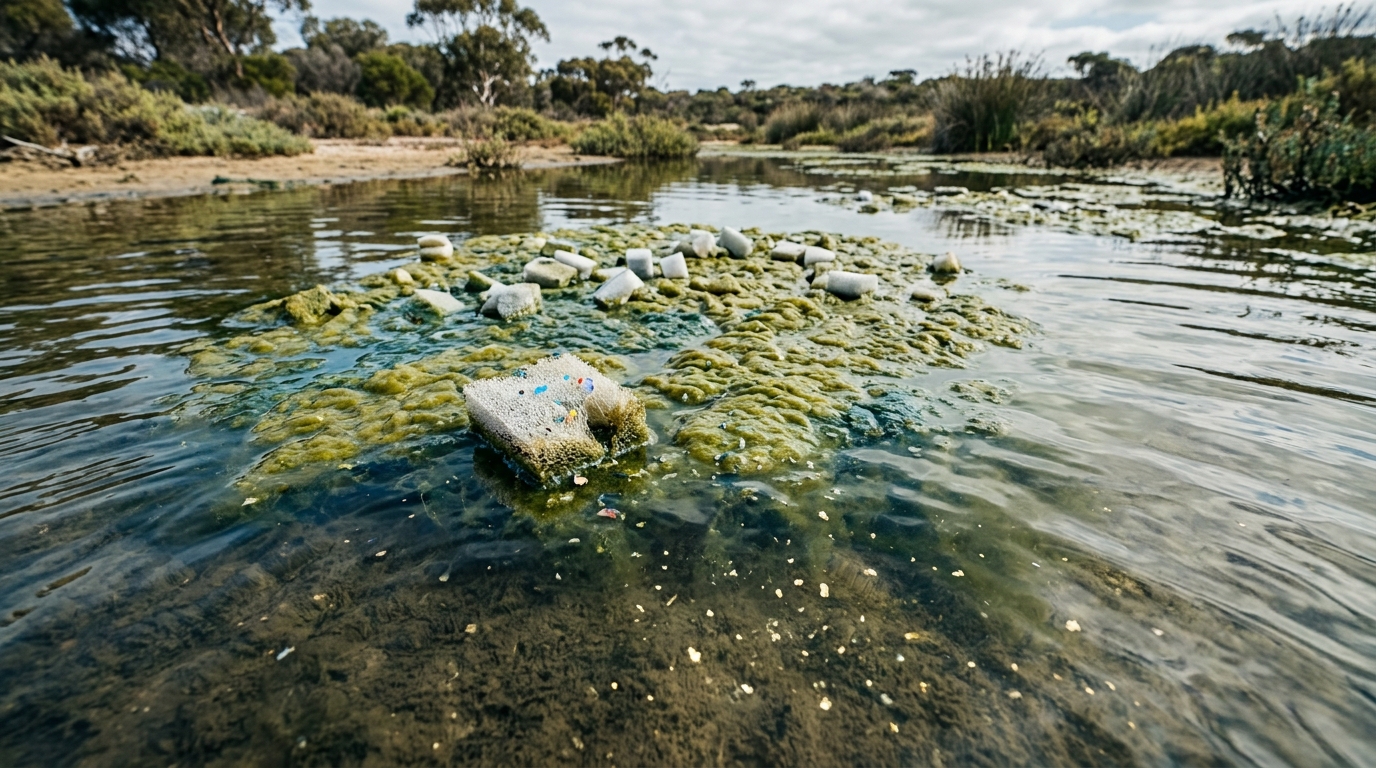
The SORR Gyroid system is described by SAWI as a passive physical interception technology, meaning it operates without pumping, chemical addition, or active mechanical components. The sponge-like structure is intended to intercept and retain algal biomass as water passes through it, effectively filtering blooms from the water column at coastal sites. The technology was proposed for deployment at marine locations where harmful algal blooms have caused ecological and economic disruption, with the Yorke Peninsula identified as a priority site for South Australia’s coastline management.
The SA EPA’s testing programme, conducted by its principal scientists, identified dissolved zinc leaching as the primary chemical hazard. Dissolved zinc is acutely and chronically toxic to marine aquatic organisms across a wide range of taxa, including fish, invertebrates, and algae themselves. Under the Australian and New Zealand Guidelines for Fresh and Marine Water Quality 2018 (ANZG 2018), default guideline values (DGVs) for dissolved zinc in marine ecosystems are set at extremely low concentrations to protect 95 per cent of species. The finding that the Gyroid sponge released a large quantity of dissolved zinc into water flowing through it means the technology, as tested, would be in direct conflict with ANZG 2018 DGVs for marine environments. Any discharge or interaction with a receiving water body that causes exceedance of these guideline values is considered an unacceptable impact on aquatic ecosystem health under the national framework.
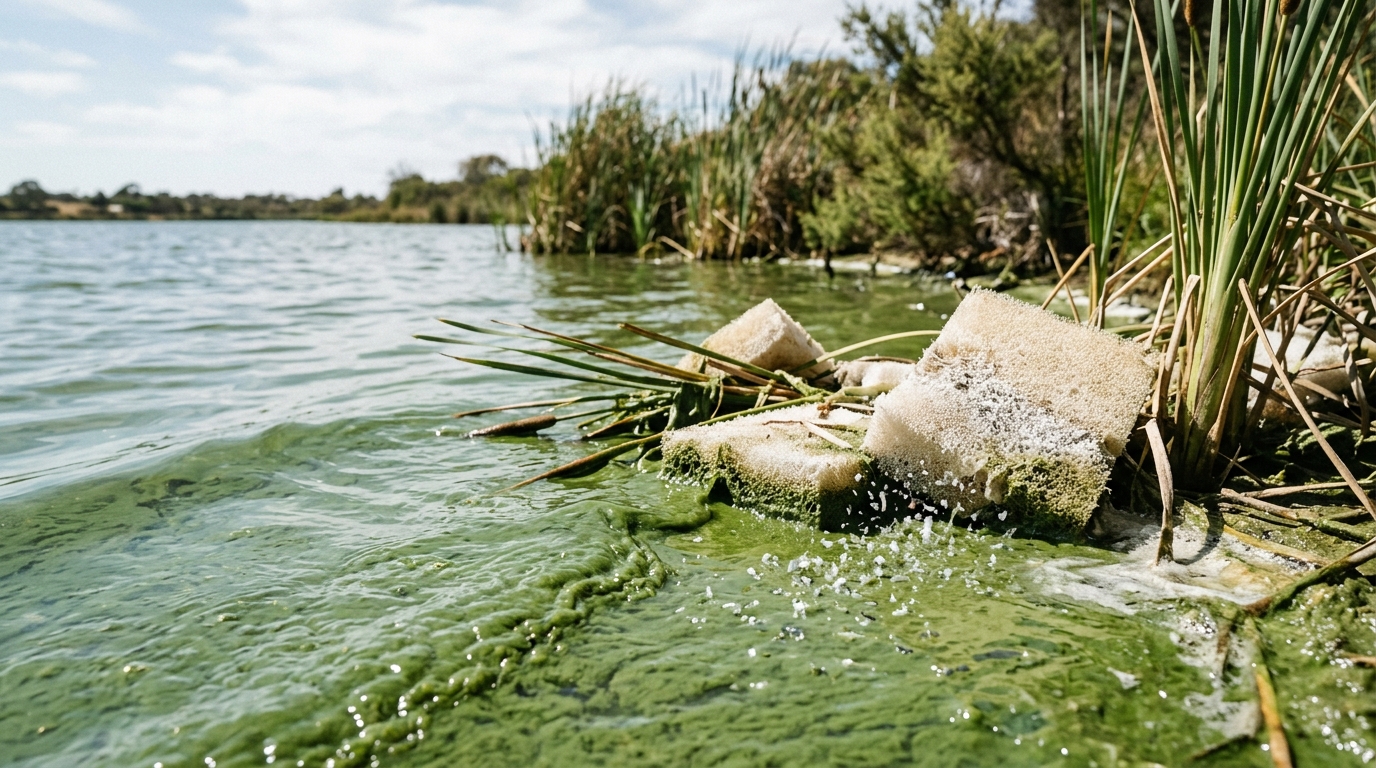
The second hazard identified relates to the material composition of the sponge itself. The Gyroid is fabricated from a plastic substrate, and the SA EPA’s testing concluded it had the potential to shed microplastics and release associated chemical contaminants into the marine environment. Microplastic contamination in coastal and marine ecosystems is a matter of active regulatory concern globally and in Australia. Plastic-derived contaminants include not only the physical particulates, which can be ingested by marine organisms across multiple trophic levels, but also additive chemicals such as plasticisers, flame retardants, and stabilisers that can leach from the polymer matrix. The SA EPA’s finding that the Gyroid sponge presented this risk in a sensitive marine setting was a determinative factor in the rejection recommendation.
The assessment framework applied by the SA EPA drew on the Environment Protection Act 1993 (SA), specifically the General Environmental Duty established under Section 25, which requires any person conducting an activity that may pollute the environment to take all reasonable and practicable measures to prevent or minimise that pollution. The Environment Protection (Water Quality) Policy 2015 (SA) also applies directly, providing regulatory standards for activities that may affect water quality in South Australian waters. Together, these instruments set the compliance baseline against which the Gyroid technology was evaluated, and the testing results were found to be inconsistent with those obligations.
Australian context: water quality regulation, ANZG 2018, and the national implications for treatment technology approval
The SA EPA’s decision reflects a regulatory posture that is consistent with the water quality protection frameworks operating across all Australian jurisdictions. The ANZG 2018 guidelines, which replaced the earlier ANZECC 2000 guidelines, provide the foundational scientific basis for setting water quality objectives and evaluating impacts on aquatic ecosystems throughout Australia. The DGVs for dissolved metals, including zinc, are derived from species sensitivity distributions and are adopted, in varying forms, by state and territory environment protection agencies as the reference standard for assessing whether a proposed activity or technology presents an unacceptable risk to receiving water bodies. The SA EPA’s reliance on these values in its assessment of the Gyroid sponge is consistent with how the guidelines are applied in practice across Australia, and the outcome sets a precedent that other jurisdictions are likely to note when evaluating comparable technologies.
References and related sources
- Primary source: www.epa.sa.gov.au
- sawi.com.au
- sawi.com.au
- epa.sa.gov.au
- epa.sa.gov.au
- ANZG Water Quality Guidelines
- SA EPA
How iEnvi can help
iEnvi provides specialist consulting services relevant to this topic. Our team includes CEnvP Site Contamination Specialists with experience across contaminated land, groundwater, remediation, ecology, and regulatory compliance.
- iEnvi remediation services
- iEnvi contaminated land investigation services
- iEnvi expert services and independent review services
This is an iEnvi Machete news summary. Prepared by iEnvi to summarise the source article for contaminated land, groundwater, remediation, approvals and site risk professionals.
Published: 11 Jun 2026
Need advice on this topic? Speak to an iEnvi expert at info@ienvi.com.au or 1300 043 684, or contact us online.
Need advice on this issue? iEnvi provides practical, senior-led environmental consulting across contaminated land, remediation, ecology and environmental risk.
Team credentials Contaminated land services Remediation services Groundwater services Talk to iEnvi