
Overview of Syngenta’s Paraquat Market Exit
On 24 July 2026, Syngenta ANZ announced its complete commercial withdrawal from the paraquat herbicide market in Australia and New Zealand. The decision, confirmed publicly on 25 July 2026, follows the Australian Pesticides and Veterinary Medicines Authority’s (APVMA) June 2026 final regulatory ruling, which imposed a suite of strict new restrictions on paraquat’s use, application methods, and maximum permissible rates. Syngenta ANZ Managing Director David Van Ryswyk stated that the tightening regulatory constraints, combined with a highly complex supply chain including the closure of specialised hazardous chemical warehouses and the loss of the company’s local formulation partner, rendered the legacy paraquat portfolio financially unviable. The company has committed to phasing out its paraquat products in strict alignment with the APVMA’s designated sell-out and use-by timelines.
Paraquat is one of the most acutely toxic herbicides ever commercialised. It is currently banned in more than 70 countries, including across the European Union since 2007, and has been the subject of extensive global litigation centred on its alleged association with Parkinson’s disease. While the APVMA’s June 2026 review concluded that the weight of available evidence did not establish a direct causal link between paraquat exposure and Parkinson’s disease, the regulator nonetheless determined that the acute human health and ecological risks, particularly to birds and mammals, warranted severe regulatory intervention. The resulting restrictions are stringent enough that, for Syngenta, continued market participation was no longer commercially viable.
For environmental professionals, property developers, agricultural landholders, and their legal advisors, this withdrawal carries consequences well beyond weed control logistics. The closure of formulation and storage facilities, the decommissioning of supply infrastructure, and the historical footprint of paraquat use across broad-acre cropping land in Queensland, New South Wales, Victoria, and South Australia all create a defined and foreseeable increase in site contamination investigation work. Practitioners who understand the regulatory drivers and the legacy contamination profile of paraquat will be better positioned to advise clients managing agricultural land transactions, lease exits, rezoning applications, and environmental due diligence processes.
Key details of the APVMA June 2026 paraquat ruling and Syngenta’s market exit
The APVMA’s authority to regulate agricultural and veterinary chemicals derives from the Agricultural and Veterinary Chemicals Code Act 1994 (Cth), which empowers the regulator to conduct formal reviews of registered chemical products and to vary, suspend, or cancel registrations where risks to human health, animal welfare, or the environment are not adequately managed. The June 2026 ruling on paraquat did not result in full cancellation of all registrations but imposed conditions severe enough to fundamentally alter the product’s commercial viability. Key restrictions include the mandatory phase-out of backpack sprayer applications, requirements for advanced personal protective equipment beyond what was previously mandated, and a material reduction in maximum application rates per hectare. Specific rate thresholds have not been publicly quantified in full detail at the time of writing, but the cumulative effect of the restrictions is characterised by both the APVMA and Syngenta as a fundamental change to the conditions under which paraquat can be legally used.
Paraquat (1,1′-dimethyl-4,4′-bipyridinium dichloride) is a non-selective contact herbicide with extremely high acute oral toxicity. Its LD50 in rats is reported at approximately 150 mg/kg body weight, placing it in the highest toxicity category under the Globally Harmonised System of Classification and Labelling. In soil, paraquat binds tightly to clay particles and organic matter, which limits its mobility but creates persistent residues in surface soils at historically treated or storage areas. Degradation is slow under typical Australian soil conditions, particularly in clay-dominant soils common to Queensland and New South Wales cropping regions. In aquatic environments, paraquat is highly toxic to algae, aquatic invertebrates, and fish, with chronic guideline values under the Australian and New Zealand Guidelines for Fresh and Marine Water Quality 2018 (ANZG 2018) set at levels that reflect the compound’s ecological potency.
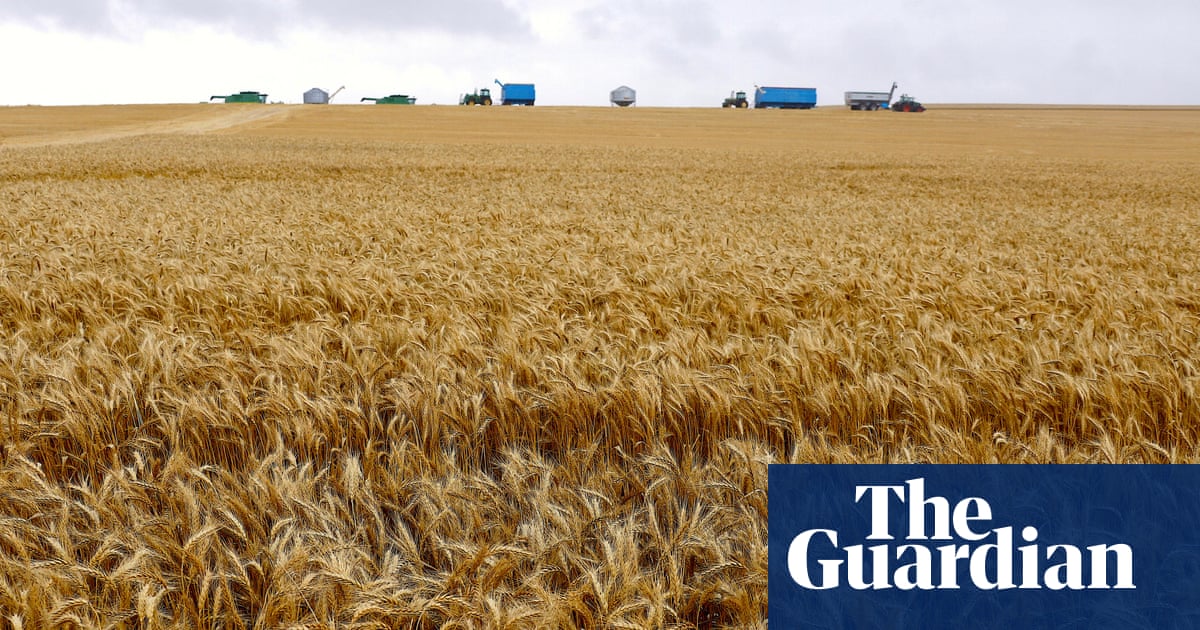
Syngenta’s commercial withdrawal is not simply a product discontinuation. The company cited the closure of specialised hazardous chemical warehouses that previously formed part of the paraquat supply chain and the loss of its local formulation partner as compounding factors alongside the new regulatory burden. These supply chain collapses have a direct environmental implication: formulation facilities, blending plants, and hazardous chemical warehouses that previously handled paraquat concentrates are now candidates for decommissioning. These facilities typically present as areas of environmental concern in preliminary site investigations due to the handling of concentrated formulations, potential spill histories, washdown areas, and bunded storage. The transition away from paraquat also affects broad-acre cropping systems that have used the chemical for decades as part of minimum-till and no-till farming programmes, meaning historically treated paddocks across large areas of agricultural land carry a legacy contamination profile that practitioners must assess against current standards.
Globally, paraquat has been at the centre of mass tort litigation, particularly in the United States, where thousands of plaintiffs have alleged that occupational exposure caused Parkinson’s disease. Although the APVMA’s June 2026 review found the available evidence insufficient to establish a direct causal link, the regulator’s decision to impose severe use restrictions nonetheless signals that Australian regulators regard the residual uncertainty as carrying enough weight to justify precautionary intervention. For practitioners advising clients on agricultural land, this regulatory posture is itself a material consideration when assessing liability exposure and the scope of due diligence investigations.
References and related sources
- Primary source: www.theguardian.com
- syngenta.co.nz
- theguardian.com
- thenewlede.org
- graingrowers.com.au
- NEPM Assessment of Site Contamination
How iEnvi can help
iEnvi provides specialist consulting services relevant to this topic. Our team includes CEnvP Site Contamination Specialists with experience across contaminated land, groundwater, remediation, ecology, and regulatory compliance.
- iEnvi remediation services
- iEnvi site assessment services
- iEnvi expert services and independent review services
This is an iEnvi Machete news summary. Prepared by iEnvi to summarise the source article for contaminated land, groundwater, remediation, approvals and site risk professionals.
Published: 25 Jul 2026
Need advice on this topic? Speak to an iEnvi expert at info@ienvi.com.au or 1300 043 684, or contact us online.
Need advice on this issue? iEnvi provides practical, senior-led environmental consulting across contaminated land, remediation, ecology and environmental risk.
PSI services Team credentials Contaminated land services Remediation services Talk to iEnvi