
Overview
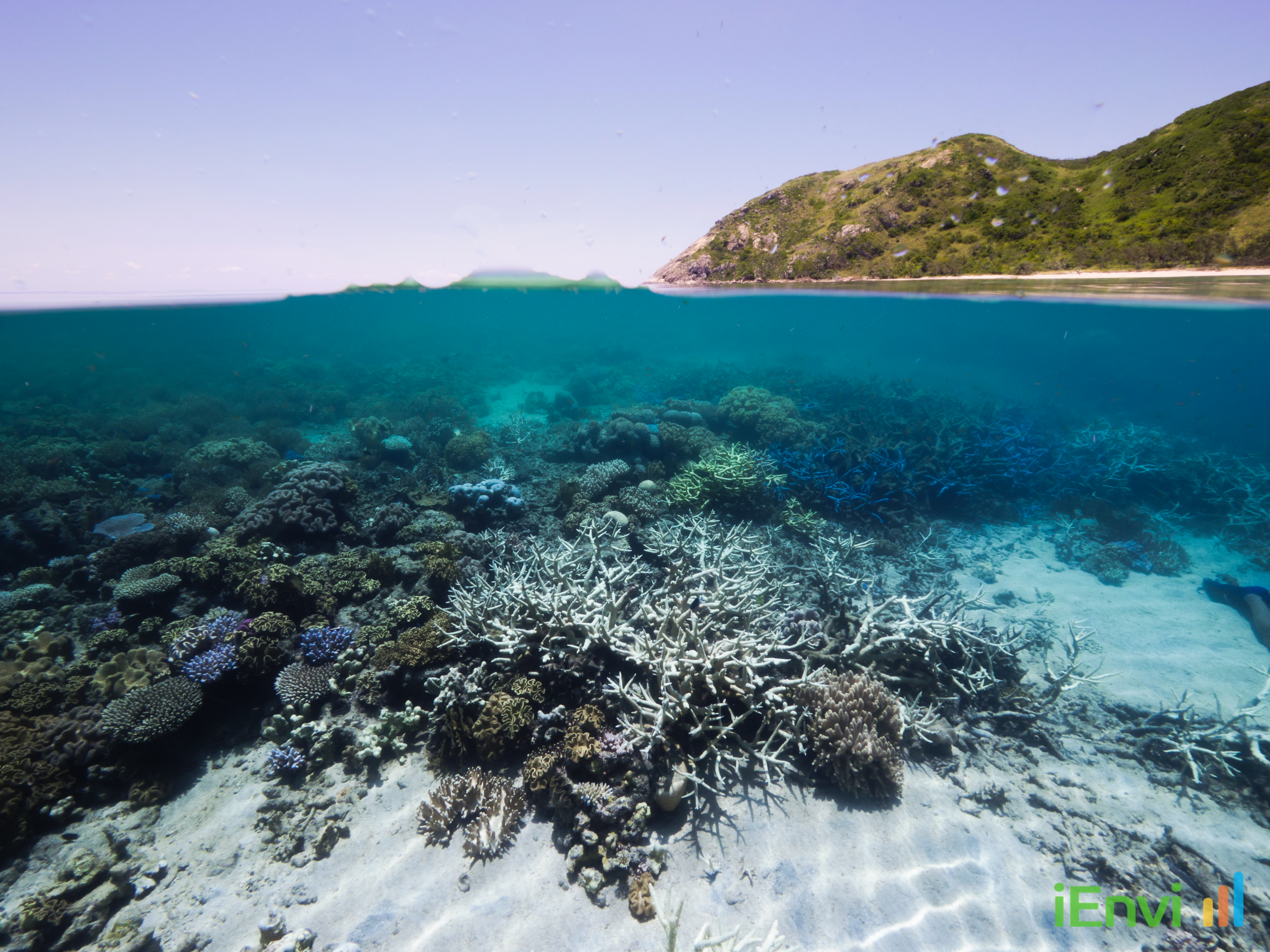
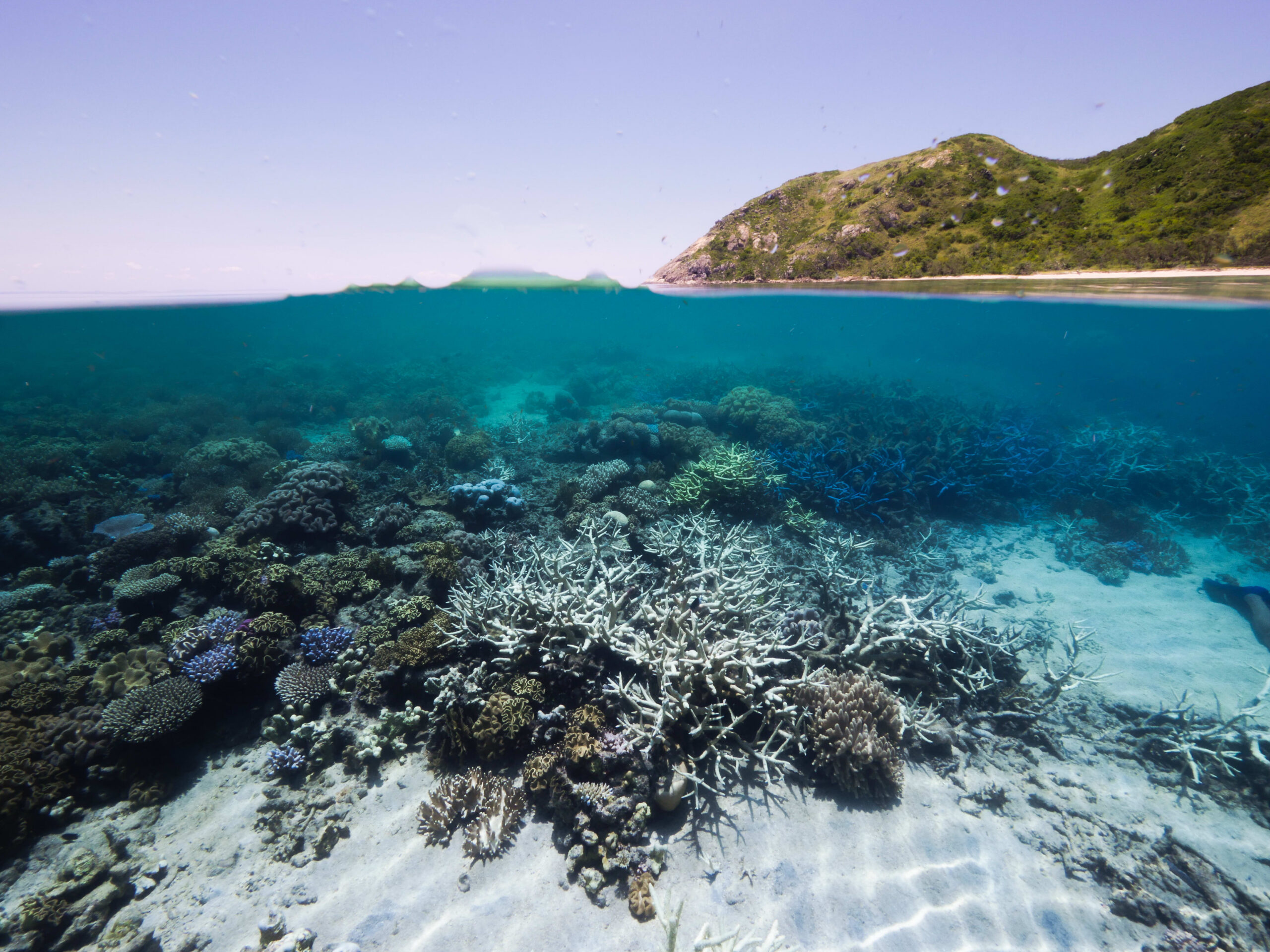
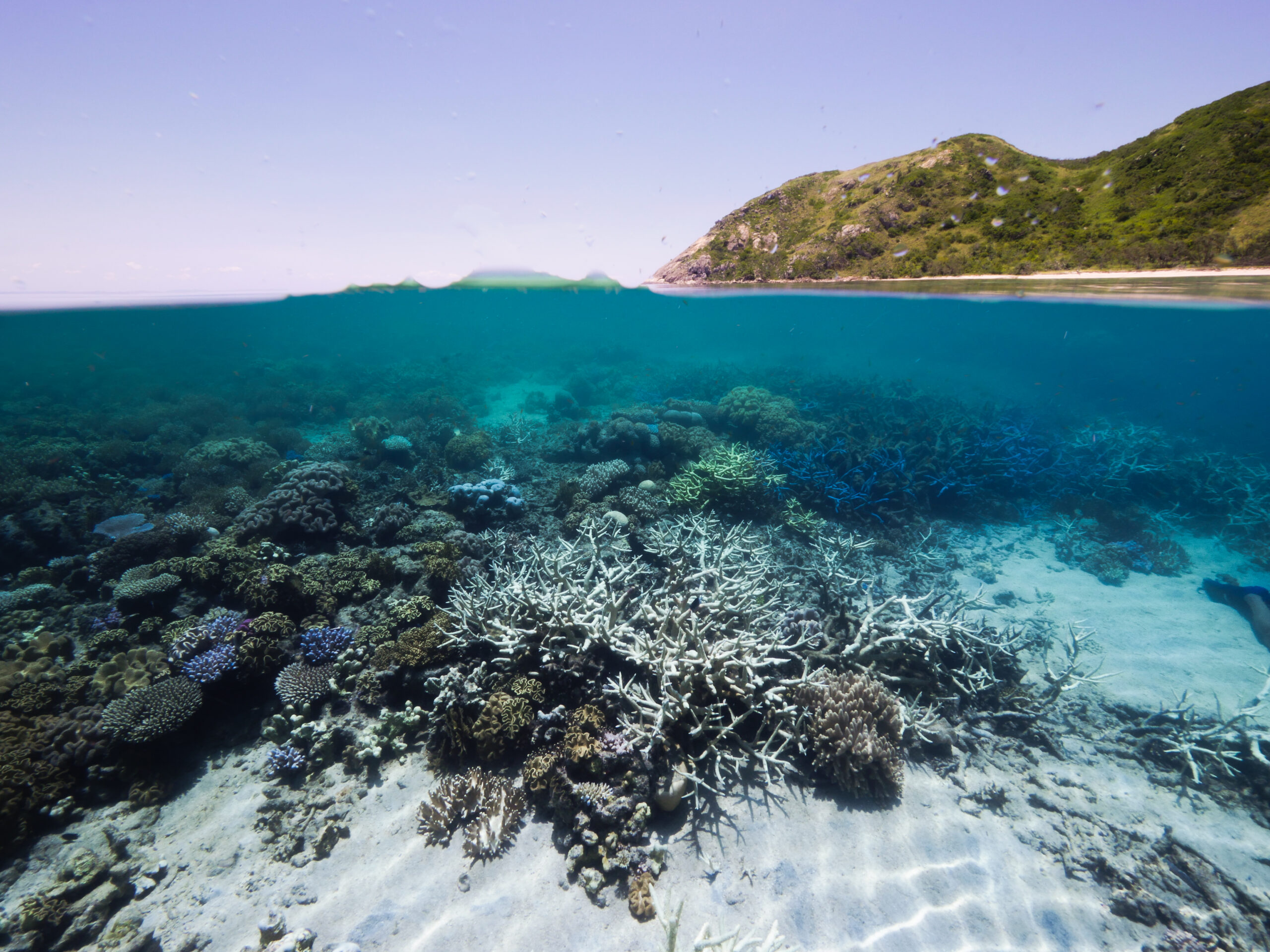
UNESCO released its draft decision on the Great Barrier Reef’s World Heritage status in early July 2026, stopping short of immediately placing the Reef on the formal “in Danger” list but delivering a clear warning to both the Australian and Queensland governments that current protections remain inadequate. The decision mandates that Australia submit a comprehensive progress report to the World Heritage Committee by 2028, demonstrating measurable advances in three specific areas: land-clearing restrictions within Reef catchments, emissions reduction targets aligned with a 1.5 degrees Celsius global warming pathway, and the complete phase-out of commercial gill nets from Reef waters by mid-2027. This is not a symbolic gesture from an international body with no teeth. The “in Danger” listing is a genuine diplomatic and economic risk, and the 2028 reporting deadline creates a hard timeline against which domestic regulatory reform must now be benchmarked.
The timing of this decision amplifies its urgency considerably. Conservation organisations including WWF-Australia have flagged the looming threat of a “super El Niño” event, which threatens to trigger another mass coral bleaching episode across the Reef. Richard Leck, WWF-Australia’s Head of Oceans, stated directly: “With a potential super El Niño looming this summer, there’s never been a more urgent time to cut emissions and boost the resilience of the Reef. Our governments have a lot of work to do in the next two years to give the Reef the best chance of withstanding the pressures ahead.” This framing is important for environmental professionals because it signals that regulatory acceleration is politically justified, meaning that tighter controls on catchment activities are not a distant prospect but an active policy priority.
For environmental consultants, land planners, ecologists, and lawyers advising developers and agricultural clients in Queensland, this UNESCO decision is a material regulatory signal. International World Heritage obligations feed directly into the administration of domestic legislation, most notably the Environment Protection and Biodiversity Conservation Act 1999 (Cth) (EPBC Act), and into the Queensland state planning and environment framework. Projects that generate sediment runoff, require native vegetation clearing, or disturb catchment hydrology within the Great Barrier Reef catchment zone are now operating under heightened scrutiny that will translate into practical approval and compliance consequences well before 2028.
Key details of the UNESCO draft decision and its specific requirements
The UNESCO World Heritage Committee’s draft decision identifies three binding areas of reform that Australia must demonstrate meaningful progress on by 2028. First, land-clearing restrictions within the Great Barrier Reef catchment must be substantially strengthened. The scientific basis for this requirement is well established: sediment and nutrient runoff from cleared land in catchments draining to the Reef is one of the primary pressure mechanisms degrading coral and seagrass ecosystems. Suspended sediments reduce light penetration and smother corals, while excess nutrients from agricultural runoff drive algal growth that outcompetes coral. UNESCO’s explicit focus on catchment-scale tree retention signals that existing Queensland vegetation management legislation has not been assessed as sufficient to arrest these pressures.
Second, Australia’s emissions reduction commitments must be scaled up to align with a 1.5 degrees Celsius warming trajectory. This is particularly significant because ocean warming is the primary driver of mass coral bleaching events. The Great Barrier Reef has experienced five mass bleaching events since 1998, with the most severe and geographically extensive bleaching occurring in 2016, 2017, 2020, 2022, and most recently in the 2024 bleaching season. A “super El Niño” event layered on top of background warming trends would push sea surface temperatures well beyond bleaching thresholds across large parts of the Reef simultaneously. UNESCO’s explicit linkage of emissions targets to the Reef’s Outstanding Universal Value (OUV) means that Australia’s national climate policy settings are now formally part of the World Heritage compliance framework, not merely background context.
Third, the phase-out of commercial gill nets from Reef waters must be completed by mid-2027. This deadline is specific and time-bound, meaning it is the most immediately verifiable of the three requirements. Gill nets are a significant source of incidental bycatch of dugongs, turtles, and dolphins, all of which are listed under the EPBC Act as threatened or migratory species. The Reef 2050 Long-Term Sustainability Plan, which is the primary mechanism through which Australia manages its World Heritage obligations, has previously included commitments to address gill net impacts, but UNESCO’s explicit deadline in the draft decision suggests the Committee does not regard progress to date as adequate. Proponents and regulators should note that gill net phase-out creates flow-on implications for fisheries management planning and any development or operational activities near commercial fishing areas.
The Reef 2050 Long-Term Sustainability Plan is the central governance document connecting UNESCO’s requirements to domestic action. It establishes water quality targets tied to the Australian and New Zealand Guidelines for Fresh and Marine Water Quality (ANZG 2018), including targets for reductions in dissolved inorganic nitrogen, particulate nitrogen, and fine sediment loads reaching the Reef lagoon. These water quality targets are already embedded in Queensland’s Great Barrier Reef regulations and catchment plans, but UNESCO’s draft decision effectively signals that the ambition and enforcement rigour of these plans must increase materially by 2028.

References and related sources
- Primary source: wwf.org.au
- wwf.org.au
- klgates.com
- packagingnews.com.au
- sers.net.au
- EPBC Act
How iEnvi can help
iEnvi provides specialist consulting services relevant to this topic. Our team includes CEnvP Site Contamination Specialists with experience across contaminated land, groundwater, remediation, ecology, and regulatory compliance.
- iEnvi due diligence services
- iEnvi remediation and validation services
- iEnvi expert services and independent review services
This is an iEnvi Machete news summary. Prepared by iEnvi to summarise the source article for contaminated land, groundwater, remediation, approvals and site risk professionals.
Published: 12 Jul 2026
Need advice on this topic? Speak to an iEnvi expert at info@ienvi.com.au or 1300 043 684, or contact us online.
Need advice on this issue? iEnvi provides practical, senior-led environmental consulting across contaminated land, remediation, ecology and environmental risk.
Team credentials Contaminated land services Remediation services Groundwater services Talk to iEnvi