
Smart Biofilters for Stormwater PFAS Treatment
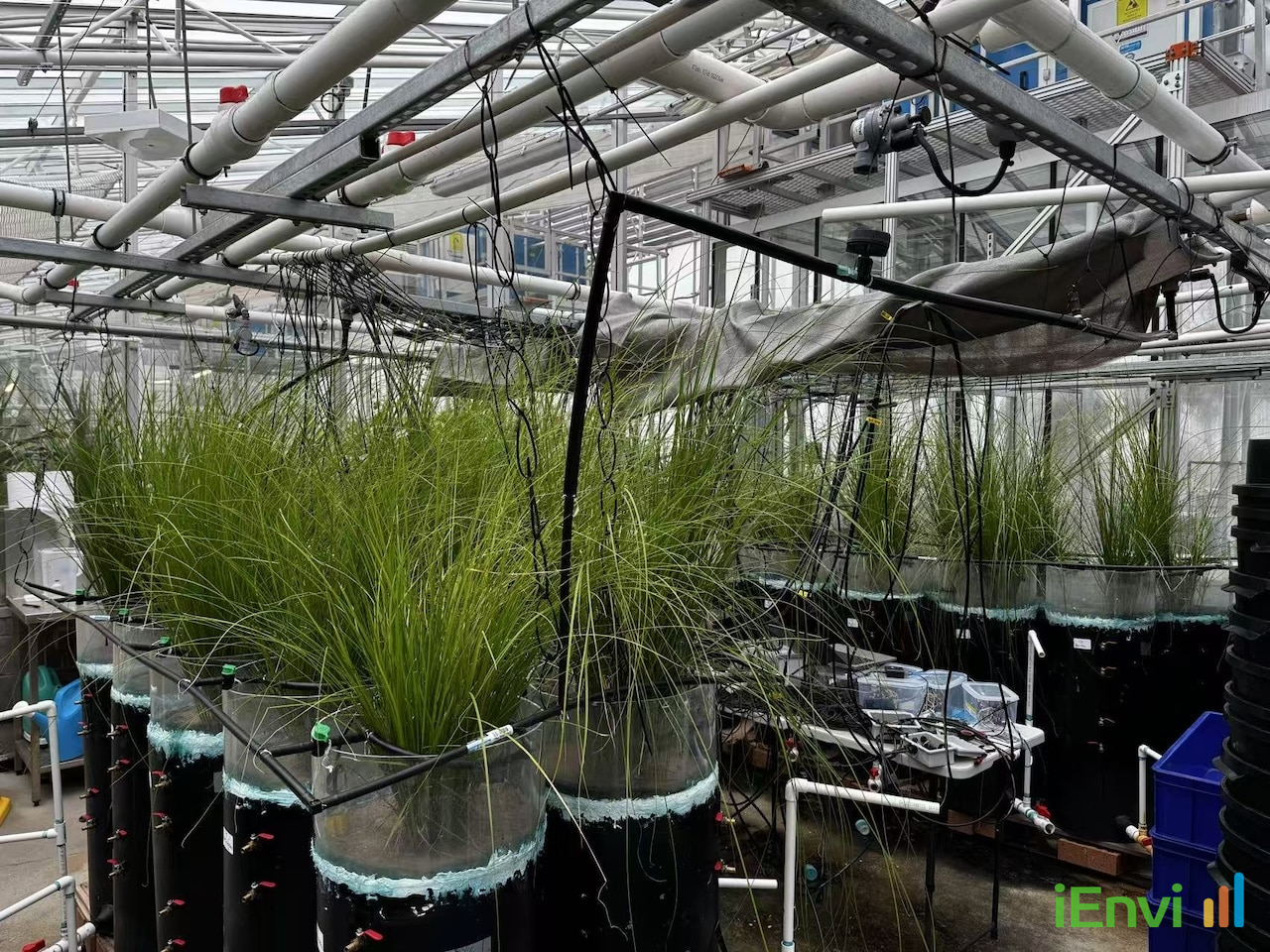
Engineers from UNSW Sydney’s School of Civil and Environmental Engineering have developed a smart biofilter system that actively controls stormwater treatment in real time, rather than relying on the passive gravity-fed design used in conventional rain gardens and bioretention systems. The system links subsurface sensors measuring soil moisture and redox potential with live Bureau of Meteorology rainfall forecasts and automated flow control valves, allowing water retention time and internal biochemical conditions to be adjusted as conditions change.
This matters for Australian environmental professionals because diffuse urban stormwater runoff is an increasingly scrutinised pathway for PFAS, nutrients, suspended solids, and trace organic contaminants entering waterways and marine environments. Conventional biofilters and constructed wetlands are static assets. They perform well under design conditions but are prone to hydraulic short-circuiting during intense storm events and to reduced microbial activity during extended dry periods. A system that can sense internal conditions and respond dynamically addresses a long-standing performance gap that consultants and asset owners have had to manage through oversizing, media replacement, or accepting variable compliance outcomes.
For developers, councils, and industrial site operators, the development is relevant to General Environmental Duty obligations under the Environment Protection Act 2017 (Vic) and the Protection of the Environment Operations Act 1997 (NSW), both of which require duty holders to manage risks of harm from stormwater discharge using best practicable measures. Active control technology gives asset owners a documented, sensor-verified basis for demonstrating that treatment performance is being actively managed rather than assumed from design specifications alone.
How Dynamic Biofilters Treat PFAS and Stormwater
The core innovation is the integration of three previously separate systems: subsurface sensors, external weather data, and automated hydraulic control. Soil moisture and redox potential sensors installed within the biofilter media provide continuous data on internal biochemical conditions, indicating whether the system is operating under aerobic or anaerobic states. This is significant because different contaminant removal pathways depend on different redox conditions. Nitrification of ammonium requires aerobic conditions, while denitrification and some PFAS transformation pathways are more effective under alternating or anaerobic conditions. A passive biofilter cannot switch between these states on demand; a sensor-driven system can.
Live rainfall forecast data from the Bureau of Meteorology allows the system to anticipate incoming storm events before they arrive, rather than reacting only once flow has already entered the filter media. Automated valves then adjust drainage rates, either extending residence time ahead of a dry period to sustain biological activity, or pre-emptively adjusting capacity ahead of a forecast storm to reduce the risk of hydraulic overload and pollutant desorption during peak flow.
The system was tested in laboratory trials replicating 11 real-world storm events drawn from varying weather patterns, intended to represent the range of hydraulic loading conditions a field-deployed biofilter would encounter across wet and dry seasons. Across these trials, the smart biofilter achieved significantly higher removal rates than a conventional passive biofilter for PFAS, excess nutrients, suspended solids, and trace organic chemicals. The research was published through the American Chemical Society’s Environmental Science & Technology journal, with methodology centred on real-time redox control as the primary mechanism driving improved contaminant capture.
A key mechanistic finding is that controlling residence time prevents the hydraulic short-circuiting that commonly undermines passive systems during high-intensity rainfall. When a conventional biofilter is overwhelmed by peak flow, water can pass through preferential channels in the media with minimal contact time, and previously adsorbed contaminants including PFAS can desorb back into the discharge. By actively restricting outflow during forecast storm events, the smart system maintains contact time within the media long enough for adsorption and biological breakdown processes to proceed, rather than allowing a rapid pulse of contaminated water to pass through largely untreated.
Australian context
This development sits directly within the scope of the PFAS National Environmental Management Plan (PFAS NEMP), which identifies diffuse stormwater and urban runoff as a recognised pathway for PFAS entering surface water and groundwater systems. Practitioners assessing sites under the PFAS NEMP framework are already required to consider stormwater as a transport mechanism in conceptual site models, and improved biofilter performance offers a mitigation option that regulators are likely to view favourably where diffuse PFAS sources cannot be eliminated at source.
Receiving water quality obligations in Australia are typically assessed against the Default Guideline Values in the Australian and New Zealand Guidelines for Fresh and Marine Water Quality (ANZG 2018). Stormwater discharges that fail to meet these default guideline values for nutrients, suspended solids, or specific toxicants can trigger further investigation or enforcement action under state EPA frameworks. A biofilter system with verifiable, sensor-logged performance data gives asset owners a stronger evidentiary basis when demonstrating compliance with ANZG-derived discharge targets, compared with relying on design assumptions from a static system that has not been monitored in operation.
State EPA guidance on contaminated land and groundwater, including materials published by EPA Victoria, increasingly expects duty holders to demonstrate that pollution risks are being actively managed through monitoring and verified performance, not simply assumed from design documentation. Sensor-driven treatment systems of this kind align with that regulatory direction, and practitioners advising on stormwater infrastructure should watch for field-scale trials and any subsequent uptake in council and state government design standards.
References and related sources
- Primary source: wastemanagementreview.com.au
- unsw.edu.au
- azocleantech.com
- acs.org
- epa.vic.gov.au
- PFAS National Environmental Management Plan (NEMP)
How iEnvi can help
iEnvi provides specialist consulting services relevant to this topic. Our team includes CEnvP Site Contamination Specialists with experience across contaminated land, groundwater, remediation, ecology, and regulatory compliance.
- iEnvi PFAS services
- iEnvi remediation and validation services
- iEnvi expert services and independent review services
This is an iEnvi Machete news summary. Prepared by iEnvi to summarise the source article for contaminated land, groundwater, remediation, approvals and site risk professionals.
Published: 17 Aug 2026
Need advice on this topic? Speak to an iEnvi expert at info@ienvi.com.au or 1300 043 684, or contact us online.
Need advice on this issue? iEnvi provides practical, senior-led environmental consulting across contaminated land, remediation, ecology and environmental risk.
Team credentials Environmental management plans Contaminated land advice Remediation services Talk to iEnvi