
Overview
A study published on 1 April 2026 by researchers from the University of Queensland has delivered the first dedicated Pacific investigation into the environmental contamination legacy of ageing unexploded ordnance (UXO). Focusing on the Solomon Islands, the UQ team found that decaying World War II munitions are not passive buried artefacts but active sources of toxic chemical contamination, releasing heavy metals and explosive residues into surrounding soil, groundwater, and coastal marine environments. Critically, the research documented explosive residues bioaccumulating in nearshore shellfish, confirming that the contamination has entered the marine food web in measurable concentrations.
For environmental professionals in Australia and the Pacific region, this research marks a fundamental shift in how UXO sites must be characterised and managed. The conventional approach to UXO has been almost entirely safety-focused: identify, clear, and dispose of physical hazards. The UQ findings demonstrate that this framework is no longer sufficient. Decaying munitions must now be assessed as point-source chemical contamination risks, with all the rigour applied to any industrial contaminated land investigation, including contaminant fate and transport modelling, ecological risk assessment, and receptor pathway analysis.
The study also identifies climate change as a direct threat multiplier for legacy contamination. Flooding events and accelerating coastal erosion in the Solomon Islands are physically exposing munitions that had remained buried and relatively stable for eight decades. At the same time, rising sea temperatures are increasing the rate of corrosion of metal casings, actively accelerating the release of chemical contents into the surrounding environment. This finding has direct relevance to any coastal or near-shore site in Australia or the Pacific where historical Defence activities occurred, and it demands that practitioners update their thinking on the long-term stability of legacy contaminants under projected climate scenarios.
Key details of the UQ research: heavy metals, explosive residues, and bioaccumulation findings
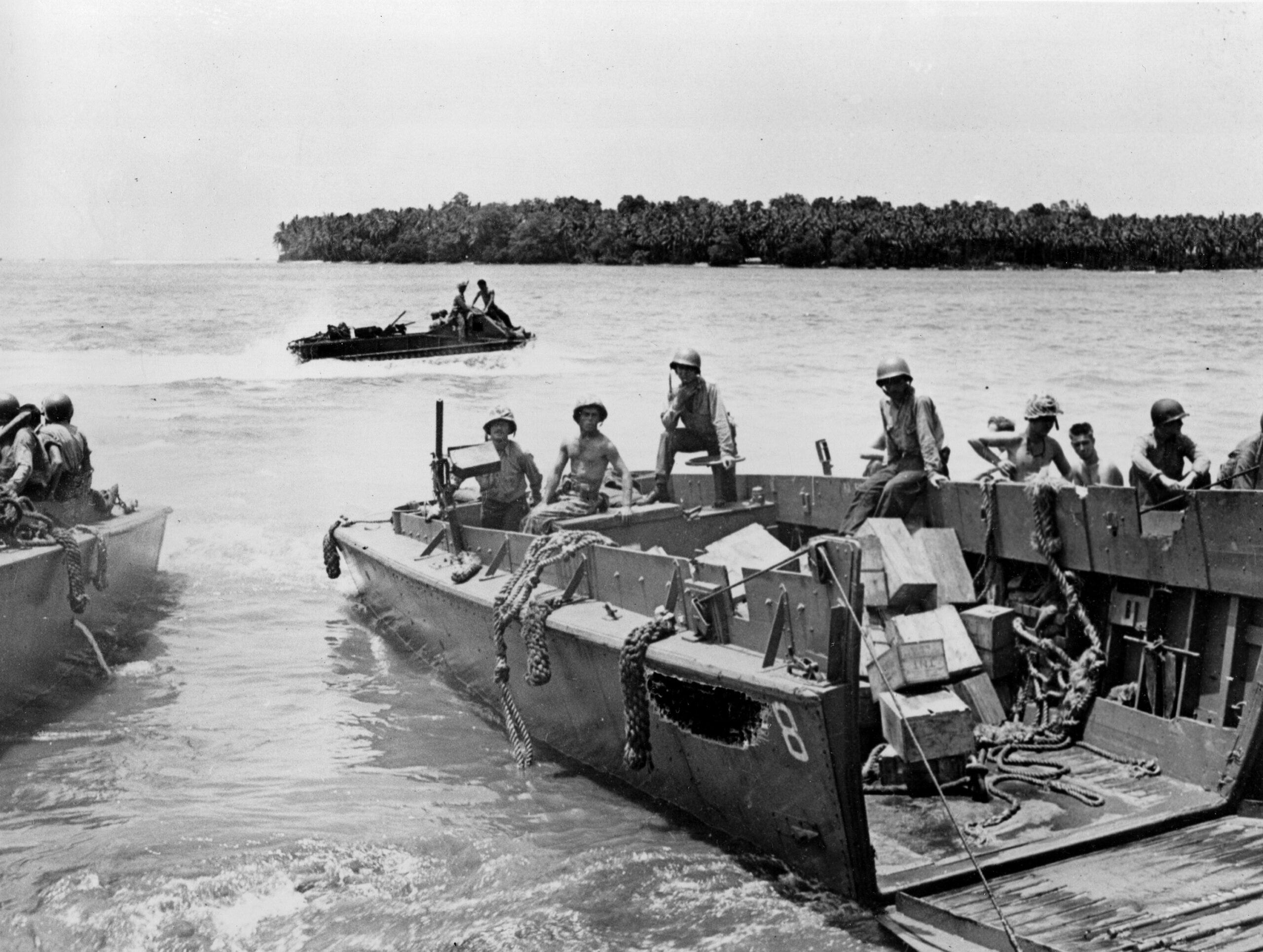
The UQ research team conducted field investigations across UXO-impacted sites in the Solomon Islands, an archipelago that hosted some of the most intense land and naval combat of the Pacific Theatre during World War II. The region contains a high density of unexploded bombs, shells, and other munitions, many of which have remained in place for approximately 80 years. The researchers collected and analysed samples from soil, groundwater, and marine biota at locations where decaying ordnance was present, conducting the first systematic chemical characterisation of the contamination plumes generated by these ageing munitions in a Pacific Island setting.
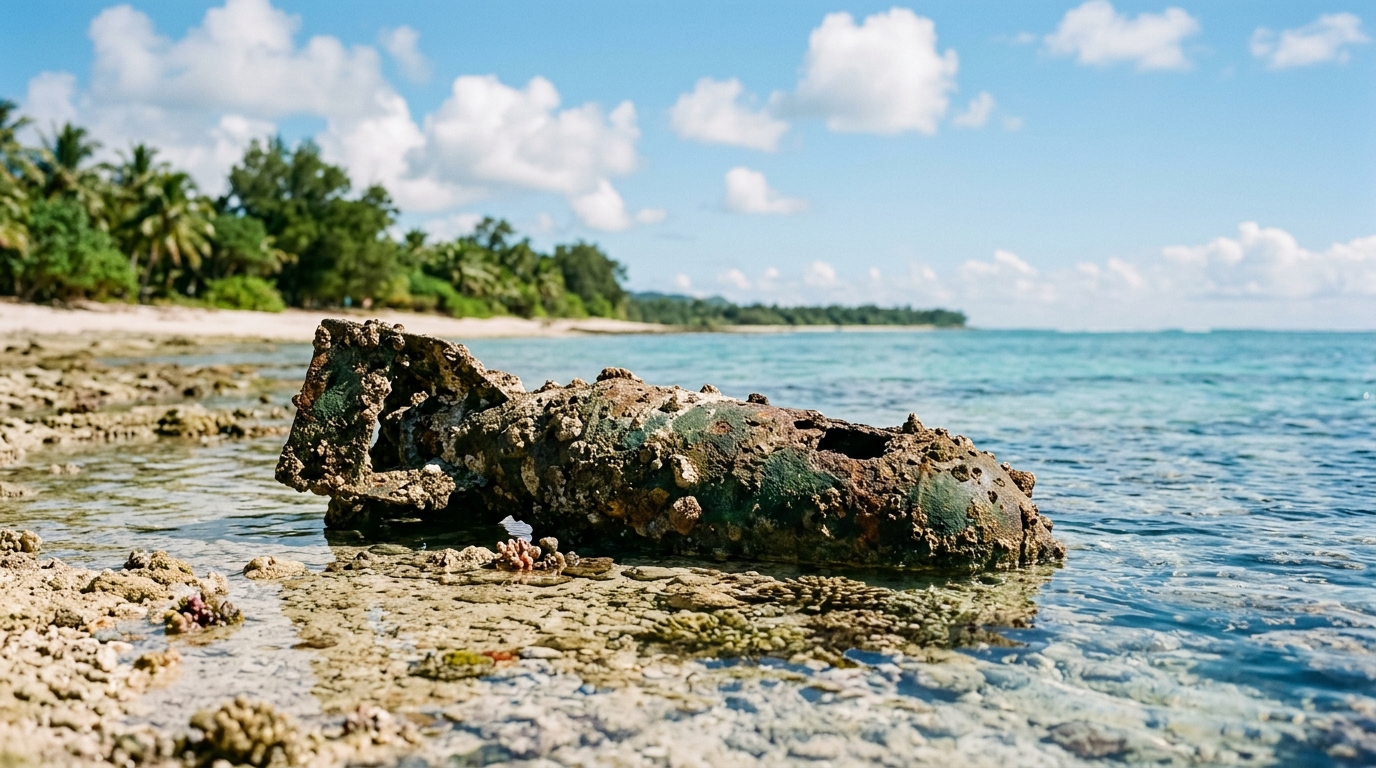
The contaminants detected fell into two principal categories. The first was heavy metals, including those typically associated with munitions casings and explosive fill formulations, such as lead, copper, and other metals that leach into surrounding soils and groundwater as metal casings corrode. The second category was explosive residues, specifically compounds such as trinitrotoluene (TNT) and cyclotrimethylenetrinitramine (RDX), which are among the most common explosive compounds found in World War II-era ordnance. Both TNT and RDX are classified as hazardous substances with well-documented toxicity profiles; TNT is a potential human carcinogen and has demonstrated ecotoxicological effects on aquatic organisms, while RDX is acutely toxic to a range of species and is persistent in the environment under certain conditions.
The bioaccumulation finding is among the most significant outcomes of the research. The UQ team detected explosive residues in nearshore shellfish sampled from the affected coastal zones. Shellfish are filter feeders and are recognised as sentinel organisms for marine contamination because they concentrate dissolved and particulate contaminants from the water column and sediment. Their contamination indicates that the release from decaying ordnance has reached concentrations sufficient to enter the base of the local food web, with potential implications for higher trophic levels and for human consumers who rely on shellfish as a food source. This finding elevates the public health dimension of the contamination well beyond the immediate blast hazard zone.
The climate change mechanism identified by the researchers deserves specific attention. The corrosion of steel and cast-iron munitions casings is an electrochemical process that is temperature-dependent; warmer seawater increases the rate of oxidation and accelerates casing degradation. The UQ study found that rising sea temperatures in the Solomon Islands region are actively hastening this process, reducing the effective containment period of 80-year-old ordnance. Independently, increased frequency and intensity of coastal flooding and erosion events are physically disturbing buried munitions, bringing them into direct contact with surface water and removing the sediment cover that had provided some degree of chemical buffering. These two mechanisms are operating simultaneously and reinforcing one another.
Australian context: NEPM 2013, Defence site assessments, and coastal contamination risk under climate projections
Australia has a substantial inventory of former Defence sites, coastal installations, and inland training areas where historical military activity has left a legacy of contamination. The assessment and remediation of these sites is governed principally by the National Environment Protection (Assessment of Site Contamination) Measure 2013 (NEPM 2013), which sets the methodological framework for site characterisation, risk assessment, and the development of Conceptual Site Models (CSMs). Under Schedule B1 of the NEPM 2013, practitioners are required to identify and characterise all relevant contaminant sources, pathways, and receptors as part of a site assessment, and to consider the ongoing and future behaviour of contaminants within the site environment.
Background and context
Headline Summary: UQ Researchers Uncover Toxic Contamination Legacy from Decaying WWII Bombs in the Pacific
In a groundbreaking new study published on 01 April 2026, researchers from Australia’s University of Queensland (UQ) conducted the first-ever Pacific investigation into the environmental impact of aging unexploded ordnance (UXO). Focusing on the Solomon Islands, the UQ team revealed that decaying World War II bombs are actively releasing toxic heavy metals and explosive chemicals into the soil, groundwater, and coastal ecosystems. Alarmingly, the scientists detected explosive residues bioaccumulating in local marine life, including nearshore shellfish. The research also highlighted that climate change is exacerbating the crisis—flooding and coastal erosion are exposing buried munitions, while warmer seas are accelerating the corrosion of 80-year-old metal casings and the subsequent release of toxic chemicals.
Why it Matters for Environmental Professionals and Their Clients
For Australian contaminated land, groundwater, and marine consultants, this research highlights a critical emerging risk: the intersection of legacy UXO, chemical contamination, and climate change. Historically, UXO has been managed primarily as a physical safety and explosive hazard. This UQ study forces a paradigm shift, demonstrating that aging munitions must also be treated as active, point-source chemical contamination risks.
Practitioners working on coastal developments, former Defence sites, or Pacific infrastructure projects must now incorporate climate-driven mobilization factors into their Conceptual Site Models (CSMs) and ecological risk assessments. As extreme weather and coastal erosion worsen, previously stable historical contaminants are being unlocked, complicating remediation efforts and creating new liability risks for landowners and developers.
Engagement Fact: Did you know that climate change is actively accelerating legacy contamination? Rising sea temperatures aren't just a physical threat—they are chemically unlocking decades-old explosive residues and driving them directly into modern marine food webs.
References and related sources
- Primary source: www.hawaiipublicradio.org
- https://www.hawaiipublicradio.org/
- NEPM Assessment of Site Contamination
How iEnvi can help
iEnvi provides specialist consulting services relevant to this topic. Our team includes CEnvP Site Contamination Specialists with experience across contaminated land, groundwater, remediation, ecology, and regulatory compliance.
- iEnvi contaminated land services
- iEnvi remediation and validation services
- iEnvi expert services and independent review services
This is an iEnvi Machete news summary. Prepared by iEnvi to summarise the source article for contaminated land, groundwater, remediation, approvals and site risk professionals.
Published: 02 Apr 2026
Need advice on this topic? Speak to an iEnvi expert at info@ienvi.com.au or 1300 043 684, or contact us online.
Need advice on this issue? iEnvi provides practical, senior-led environmental consulting across contaminated land, remediation, ecology and environmental risk.
Team credentials Ecological risk assessment Contaminated land services Remediation services Talk to iEnvi