
Overview
Western Australia’s Department of Mines, Industry Regulation and Safety (DMIRS) is proposing a significant amendment to the state’s Abandoned Mines Policy that would allow state-managed mine sites to be officially declared “rehabilitated” while still carrying ongoing residual risks. The proposal, reported on 7 April 2026, represents a direct departure from the current regulatory position, which requires a mine to meet strict criteria before closure can be confirmed, including being physically safe, geotechnically stable, and geochemically non-polluting and non-contaminating. If adopted, the amendment would apply specifically to sites managed under the Mining Rehabilitation Fund (MRF), creating a formal pathway to declare closure at sites where complete remediation to a non-polluting standard is not technically or financially achievable.
For mine closure consultants, contaminated land practitioners, and risk assessors operating in the resources sector, this proposal has immediate relevance. The introduction of a residual risk clause signals a potential shift away from absolute remediation endpoints toward a risk-based management framework for at least a subset of WA’s abandoned mine portfolio. The current regulatory language leaves no room for ongoing contamination at the point of closure declaration. The proposed amendment would override that requirement for MRF-managed sites, effectively creating a lower regulatory bar for state-funded cleanups than currently exists for private operators.
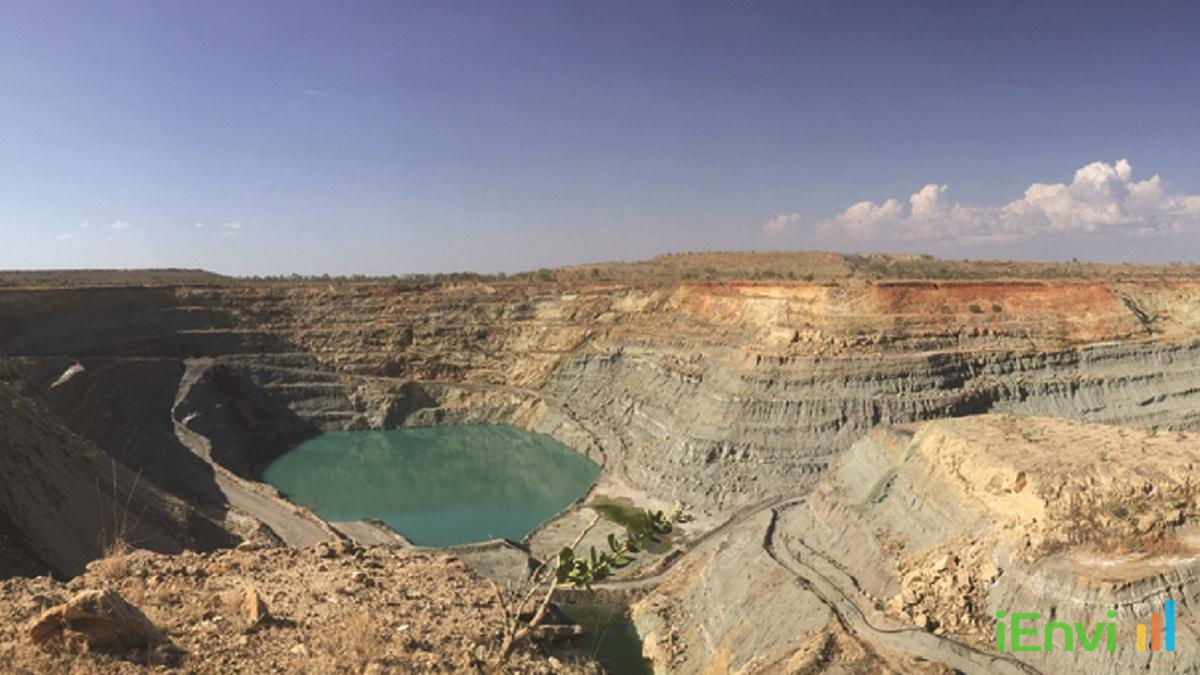
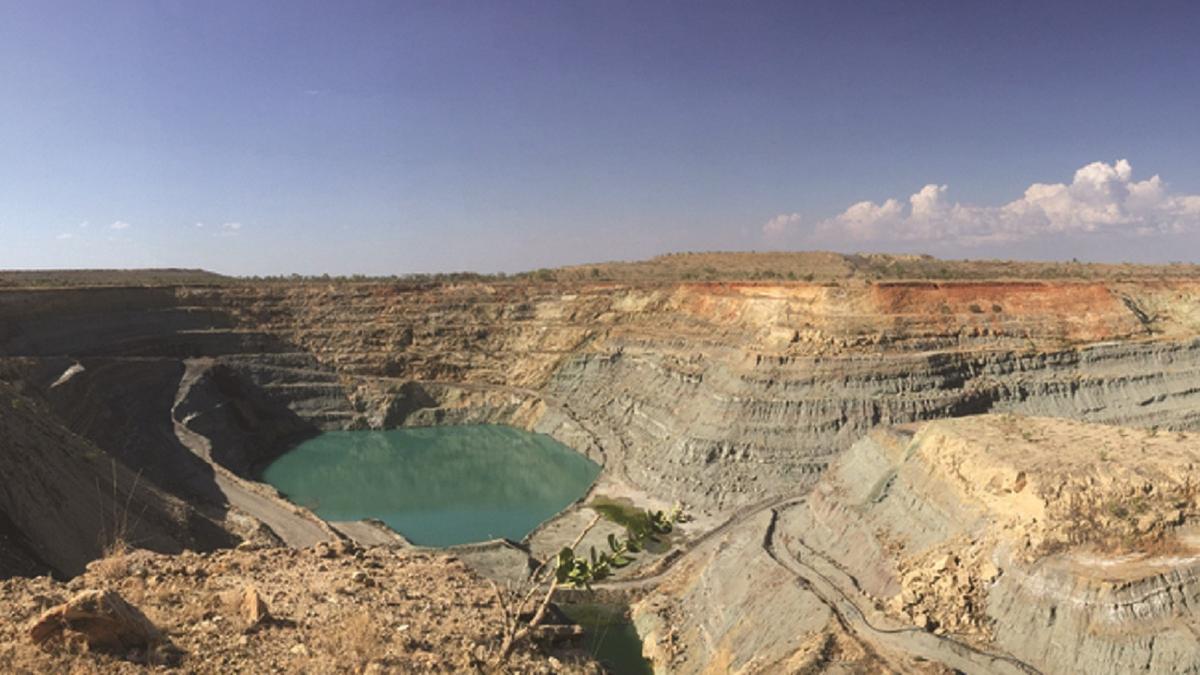
The timing of the proposal is closely linked to the escalating costs of cleaning up complex legacy sites. The Ellendale diamond mine has been cited as a prominent example of a site where remediation costs under the MRF have created significant financial pressure. Industry insiders and environmental groups have characterised the proposed amendment as a financial safeguard, arguing that the residual risk clause functions as a mechanism to protect the MRF from cost blowouts rather than as a genuine advancement in rehabilitation practice. The policy is now under review, and its outcome is being closely watched by both the resources industry and the environmental consulting profession.
Key details of the proposed WA Abandoned Mines Policy amendment
Under the existing WA mine closure framework, the criteria for a site to be formally considered rehabilitated are clear and non-negotiable. A site must be physically safe, meaning there are no open voids, unstable structures, or access hazards. It must be geotechnically stable, with no risk of slope failure, subsidence, or structural collapse. Critically, it must also be geochemically non-polluting and non-contaminating, meaning the site must not be generating contaminated leachate, acid and metalliferous drainage (AMD), or any other chemical pathway that could affect groundwater, surface water, or surrounding soils. This third criterion is the most technically demanding and is frequently the greatest barrier to achieving closure at legacy hard rock mining sites.
The proposed amendment would introduce a residual risk clause that specifically modifies this framework for sites managed under the Mining Rehabilitation Fund. Under the revised policy, a site could be declared rehabilitated by the state even where residual risks remain, provided those risks are deemed manageable or acceptable within a defined risk-based framework. The precise thresholds and criteria for what constitutes an “acceptable” residual risk have not yet been publicly detailed, which itself represents a significant gap in the current proposal. Without clearly defined, measurable endpoints, the clause creates considerable regulatory uncertainty for both consultants and the broader industry.
The Mining Rehabilitation Fund was established in Western Australia to hold financial assurance contributions from active mining operators, creating a pooled fund to cover rehabilitation costs at abandoned or legacy sites where no responsible party remains solvent or identifiable. The fund has grown substantially as WA’s mining sector has expanded, but so too has the liability associated with highly contaminated legacy sites. The Ellendale diamond mine situation appears to have been a direct catalyst for the current policy review. Ellendale presented a scenario where remediation costs escalated well beyond initial MRF projections, placing the fund under financial strain and prompting DMIRS to seek a policy mechanism that limits the state’s ongoing remediation obligations.
The concern raised by environmental groups and industry observers is not simply about the Ellendale site in isolation. It is about the precedent that accepting residual risk at state-managed sites would set for the broader regulatory environment. If DMIRS applies one standard to its own managed sites and a stricter standard to active mining operators, that dual-standard framework is likely to face legal and political challenge. The resources industry, which contributes to the MRF and is held to the existing strict closure criteria, has strong grounds to argue that any risk-based endpoint accepted by the state for public land should equally be available to private operators seeking mine closure sign-off.
Australian context: WA mine closure regulations and risk-based remediation frameworks
Western Australia’s approach to mine closure has historically been governed by a combination of the Mining Act 1978 (WA), the Environmental Protection Act 1986 (WA), and associated regulations and guidelines issued by DMIRS. The requirement that a rehabilitated site be geochemically non-polluting and non-contaminating is embedded in the regulatory framework and reflects a conservative, outcome-based standard. This approach is consistent with the broader direction of contaminated land regulation in Australia, where the National Environment Protection
References and related sources
- Primary source: thewest.com.au
How iEnvi can help
iEnvi provides specialist consulting services relevant to this topic. Our team includes CEnvP Site Contamination Specialists with experience across contaminated land, groundwater, remediation, ecology, and regulatory compliance.
- iEnvi remediation services
- iEnvi groundwater services
- iEnvi expert services and independent review services
This is an iEnvi Machete news summary. Prepared by iEnvi to summarise the source article for contaminated land, groundwater, remediation, approvals and site risk professionals.
Published: 09 Apr 2026
Need advice on this topic? Speak to an iEnvi expert at info@ienvi.com.au or 1300 043 684, or contact us online.
Need advice on this issue? iEnvi provides practical, senior-led environmental consulting across contaminated land, remediation, ecology and environmental risk.
Team credentials Contaminated land services Remediation services Groundwater services Talk to iEnvi