
Overview
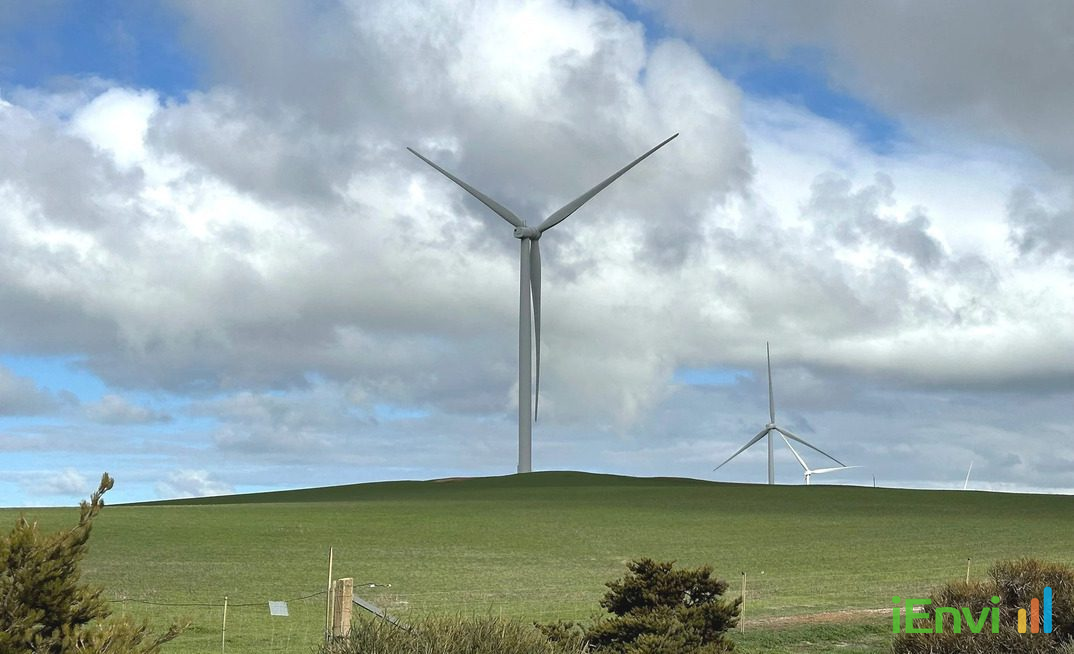
Western Australia’s Regional Development Assessment Panel (RDAP) has unanimously granted planning approval for Wind Prospect’s Twin Hills renewable energy project in the Shire of Three Springs, in the Mid West. The panel approved the project without two changes the Shire’s planners had recommended: removing 18 perimeter turbines and renaming the project. RenewEconomy reported the decision on 5 November 2026. The approved project combines a 750 MW wind farm of up to 93 turbines with a 500 MW, 8-hour battery energy storage system (BESS), on a site of approximately 9,000 hectares about 35 km north-east of Eneabba.
The panel’s reasoning is what matters most. The Shire’s recommended conditions responded to neighbour concerns about noise, visual amenity and boundary setbacks. The three technical assessors on the panel struck out the turbine deletions, finding there was “no scientific basis to remove all of them”. They concluded that potential noise and amenity impacts were adequately managed through mandatory statutory environmental standards and post-construction acoustic validation. Before the planning decision, the project had already cleared state environmental assessment under Part IV of the Environmental Protection Act 1986 (WA) and federal assessment under the Environment Protection and Biodiversity Conservation Act 1999 (Cth).
The decision is relevant to developers, planning and environmental lawyers, council officers and consultants across Australia. It shows how a determining body weighs modelled compliance with statutory criteria against local discretion over layout. Development assessment panel decisions are not binding precedent. Even so, this determination is a clear example of a panel refusing to cut infrastructure where the technical evidence showed the statutory benchmark would be met.
Key details
The Twin Hills approval covers two co-located assets. The wind component is 750 MW across up to 93 turbines. The BESS is rated at 500 MW with 8 hours of storage, equivalent to about 4,000 MWh. The project spans approximately 9,000 hectares and is planned to connect into Western Power’s northern 330 kV Clean Energy Link transmission line. That alignment of land-use approval, environmental clearance and grid access is what allows a utility-scale hybrid project of this size to proceed.
The RDAP determined the application under the Planning and Development Act 2005 (WA) and the Planning and Development (Development Assessment Panels) Regulations 2011 (WA). The Shire’s responsible authority report recommended deleting 18 turbines on the perimeter of the layout, closest to neighbouring landholdings, and imposing a change to the project name. The panel removed both recommendations from the conditions and approved the application unanimously.
Noise was the central technical issue. Wind farm noise in WA is assessed against the assigned levels in the Environmental Protection (Noise) Regulations 1997 (WA), which set compliance criteria at noise-sensitive premises using LA10, LA1 and LAmax descriptors that vary by time of day. At night the base assigned level for noise-sensitive premises is an LA10 of 35 dB(A), adjusted by an influencing factor that reflects surrounding land use and transport. According to the report, the panel accepted that worst-case predictive modelling demonstrated compliance with these statutory levels, and that conditions requiring acoustic validation once the turbines are operating provide the verification step. On that basis, the assessors saw no technical justification for deleting perimeter turbines as a precaution.
Setbacks and siting for renewable energy projects in WA are guided by the Western Australian Planning Commission (WAPC) Position Statement: Renewable Energy Facilities. Environmental approvals run on separate statutory tracks. Part IV of the EP Act provides for environmental impact assessment by the WA Environmental Protection Authority and Ministerial approval. Part 9 of the EPBC Act provides for Commonwealth approval where a proposal affects Matters of National Environmental Significance. In the Twin Hills case, both environmental approvals were in place before the RDAP considered the planning application, so the panel’s role centred on amenity and land-use planning rather than reopening matters already assessed by the environmental regulators.
Australian context
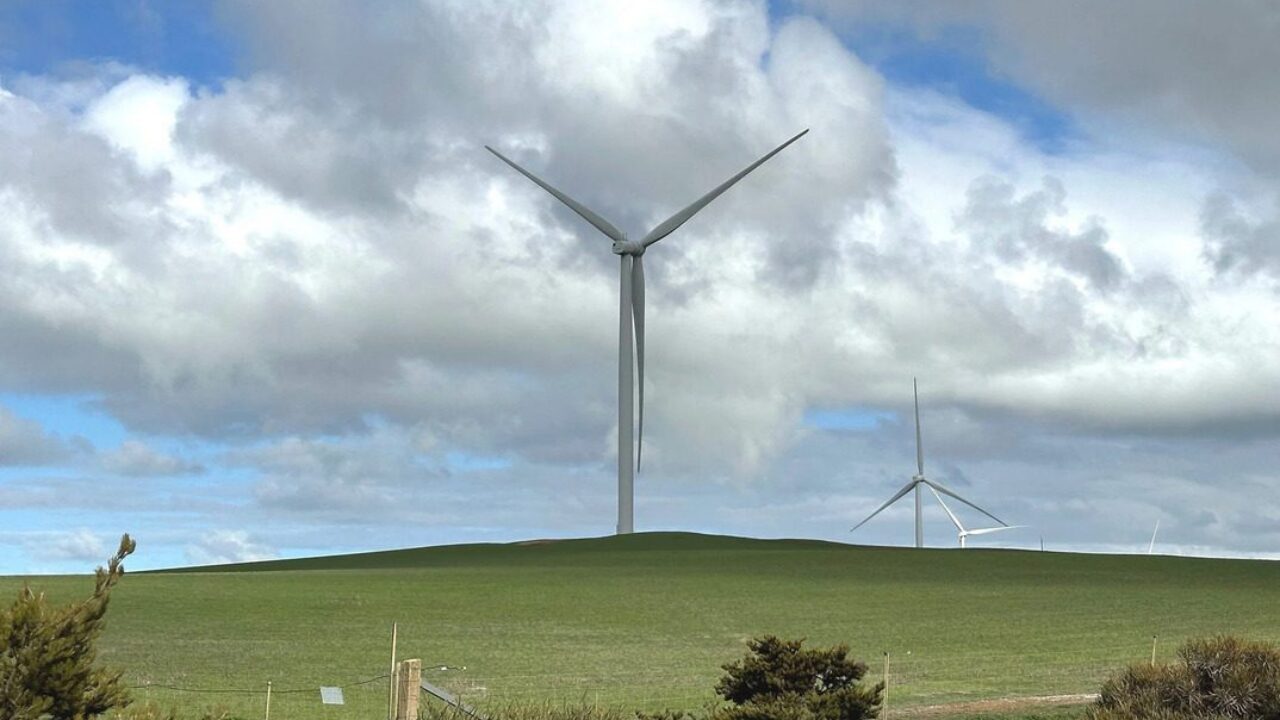
The Twin Hills decision reflects a structural feature of Australian environmental and planning law: environmental approval and planning approval are separate decisions, often made by different bodies under different Acts, and they draw on overlapping evidence. Where a project has cleared Part IV and EPBC assessment, the planning authority still has to decide amenity questions. The risk for proponents is that the planning stage becomes a second contest over impacts already assessed against objective criteria. In this determination, the RDAP took the view that because statutory noise standards applied and the modelling showed compliance, there was no technical basis for removing turbines from the layout.
Every mainland state anchors wind farm noise assessment to an objective criterion, which is why the panel’s reasoning will be read closely outside WA. In Victoria, wind energy facilities are assessed against NZS 6808:2010 under the Environment Protection Regulations 2021. In New South Wales, noise is assessed under the Wind Energy Guideline and its associated noise assessment requirements. South Australia applies the EPA’s wind farm environmental noise guidelines, and Queensland assesses wind farms under State Code 23 of the State Development Assessment Provisions. The specific criteria and descriptors differ between jurisdictions, but each system relies on predictive modelling before approval and compliance testing after commissioning. A decision by a WA development assessment panel carries no formal weight in those systems. It does, however, give proponents, councils and consultants in other states a recent example of a determining body relying on modelled compliance and post-construction testing, rather than precautionary turbine removal, to respond to neighbour concerns about noise.
References and related sources
How iEnvi can help
iEnvi provides specialist consulting services relevant to this topic. Our team includes CEnvP Site Contamination Specialists with experience across contaminated land, groundwater, remediation, ecology, and regulatory compliance.
- iEnvi contaminated land investigation services
- iEnvi remediation and validation services
- iEnvi expert services and independent review services
This is an iEnvi Machete news summary. Prepared by iEnvi to summarise the source article for contaminated land, groundwater, remediation, approvals and site risk professionals.
Published: 08 Nov 2026
Need advice on this topic? Speak to an iEnvi expert at info@ienvi.com.au or 1300 043 684, or contact us online.
Need advice on this issue? iEnvi provides practical, senior-led environmental consulting across contaminated land, remediation, ecology and environmental risk.
Team credentials Contaminated land services Remediation services Groundwater services Talk to iEnvi