
Overview
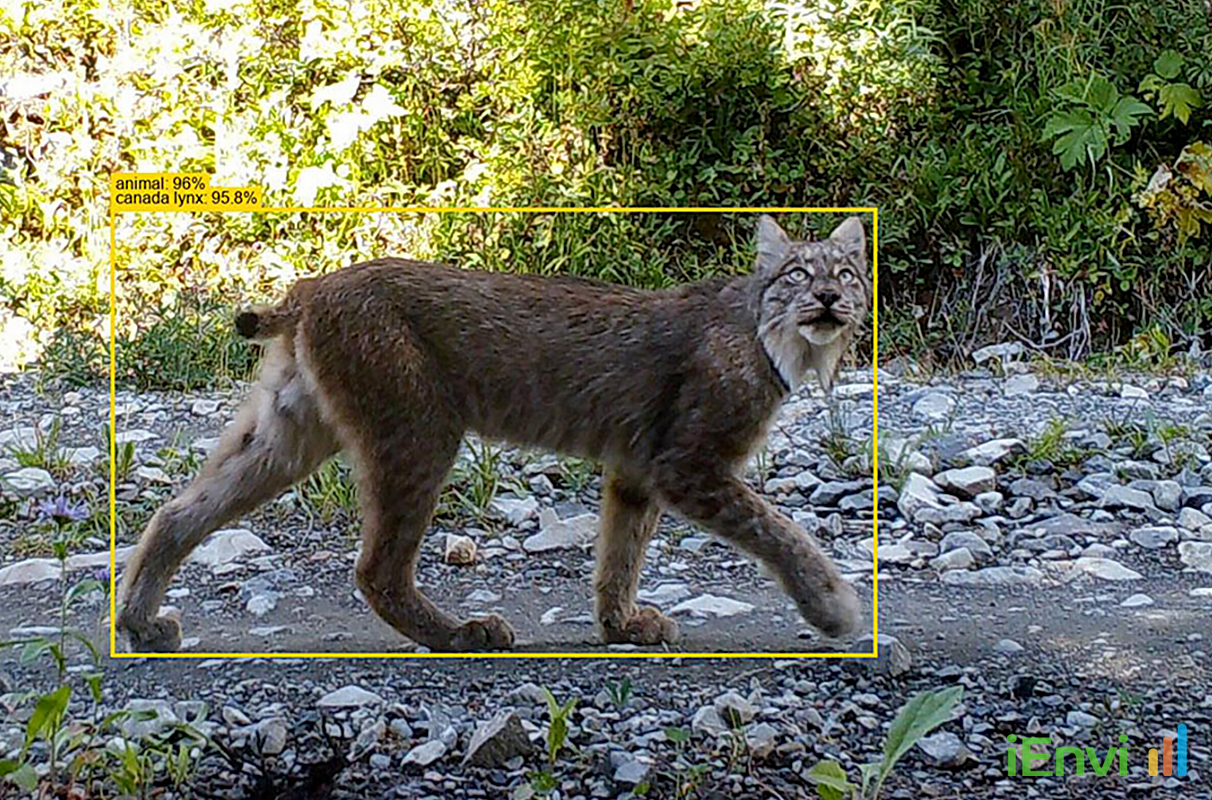
A study published in the Journal of Applied Ecology on 7 May 2026 by researchers from Washington State University (WSU) and Google has validated a fully automated AI model called SpeciesNet, demonstrating it can process hundreds of thousands of camera trap images in roughly one week, compared to the months or up to a year typically required by manual review workflows. Lead author and WSU wildlife ecologist Daniel Thornton described the finding plainly: “The big takeaway is that this doesn’t have to be a bottleneck anymore. If we can process data faster, we can respond faster, and that’s really what matters for conservation.” The study marks a meaningful shift in how AI tools can be integrated into ecological data workflows, moving beyond simple blank-frame filtering into fully automated species classification for a significant subset of taxa.
For ecological consultants, this development is directly relevant to the way camera trapping programmes are scoped, resourced, and delivered on major projects. Camera trap datasets collected during field surveys for Environmental Impact Statements, EPBC Act referrals, and biodiversity offset assessments routinely run to hundreds of thousands of images. The manual labour required to sort, review, and classify that volume of data has long been one of the primary cost and schedule drivers in ecological reporting. A validated AI model capable of performing that classification automatically, with accuracy rates comparable to human expert review for common species, changes project budgeting and workload allocation in a material way.
It is important to note what the study does and does not establish. SpeciesNet achieves aligned ecological conclusions with human expert results in approximately 85 to 90 percent of cases, but this performance applies specifically to commonly captured species. The model’s performance degrades for rare or morphologically similar species, and the authors are clear that human oversight remains necessary in those cases. This distinction is critical for statutory reporting contexts, where misidentification of a threatened species carries regulatory consequences that cannot be absorbed by a confidence interval.
Key details: SpeciesNet methodology, accuracy, and workflow integration
The WSU and Google study validated SpeciesNet as a fully automated classification system, meaning it processes camera trap images end-to-end without requiring a human reviewer to approve or correct individual identifications at the image level. This is a material technical advance over earlier AI-assisted tools, which were predominantly used for the more limited task of filtering blank frames. Previous generations of AI tools were trusted to remove approximately 60 to 70 percent of images that captured no wildlife, typically triggered by wind-moved vegetation or lighting changes. That left ecologists with a substantially reduced but still very large image set requiring complete manual review.
SpeciesNet moves past that threshold. The study demonstrates that the model can classify the species present in the remaining images with sufficient accuracy to produce ecological conclusions that align with human expert results in 85 to 90 percent of cases across the species subset assessed. The practical effect is a compression of data analysis timelines from a period measured in months, and in some project contexts up to a year, down to approximately one week. For a large infrastructure or mining project running a 90-day or 180-day camera trap programme across dozens of survey stations, this represents a direct shift in when usable species data becomes available to the project team.
The performance boundary identified in the study is equally important to understand. SpeciesNet’s accuracy figures apply to commonly captured species, which tend to be generalist fauna encountered at high frequency across multiple survey locations. Rare species, cryptic species, and taxa that are morphologically similar to other species in the same region fall outside the model’s reliable performance envelope. For these categories, the study does not support fully automated classification, and human expert review remains the appropriate standard. This bifurcation of the workflow, automated processing for common species, expert review for rare or confused species, is where the practical methodology for adopting SpeciesNet will need to be carefully designed by practitioners.
The study was conducted by WSU and Google, combining academic ecological expertise with the computational infrastructure and machine learning development capability of a major technology organisation. The involvement of Google reflects the scale of processing required to handle datasets of this magnitude and the maturity of the underlying computer vision models now being applied to ecological classification tasks. The peer-reviewed publication in the Journal of Applied Ecology provides the scientific validation that practitioners and regulators will require before this methodology can be cited in statutory reporting documents.
Australian context: EPBC Act referrals, EIS requirements, and biodiversity offset assessments
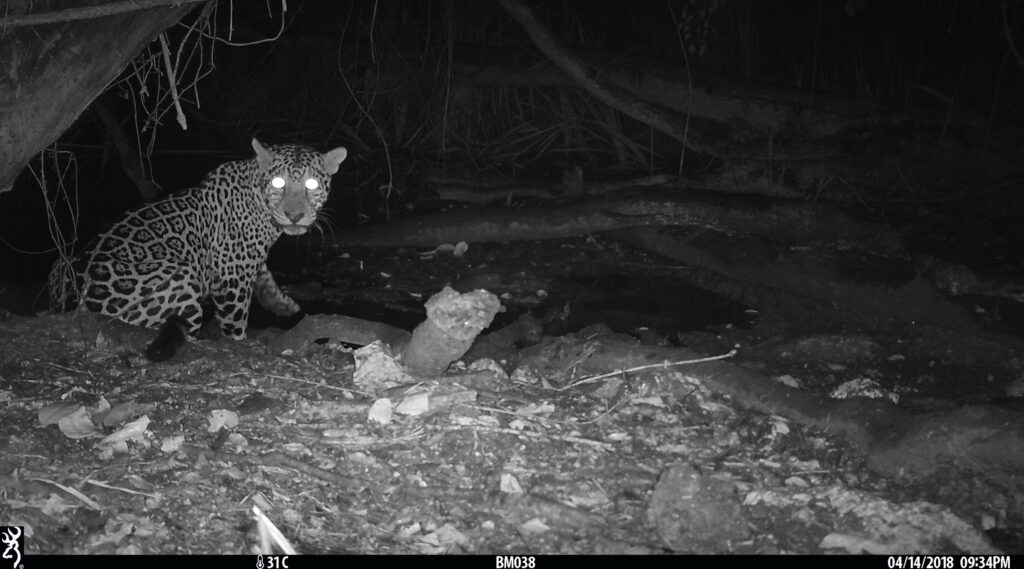
Camera trapping is an established and frequently required survey methodology across Australian environmental practice. Under the Environment Protection and Biodiversity Conservation Act 1999 (EPBC Act), proponents of actions that may have a significant impact on matters of national environmental significance (MNES) are required to submit referral documentation that includes ecological assessment data. For projects affecting habitat used by threatened species or ecological communities listed under the EPBC Act, camera trap surveys are routinely specified in survey guidelines published by the Department of Climate Change, Energy, the Environment and Water (DCCEEW). The volume of images generated by these surveys across multi-station, multi-season programmes routinely reaches the hundreds of thousands, making the data processing burden one of the central logistical constraints in meeting statutory reporting deadlines.
References and related sources
- Primary source: news.wsu.edu
- https://www.eurekalert.org/news-releases/1127123
- EPBC Act
How iEnvi can help
iEnvi provides specialist consulting services relevant to this topic. Our team includes CEnvP Site Contamination Specialists with experience across contaminated land, groundwater, remediation, ecology, and regulatory compliance.
- iEnvi ecology services
- iEnvi contaminated land investigation services
- iEnvi remediation and validation services
- iEnvi expert services and independent review services
This is an iEnvi Machete news summary. Prepared by iEnvi to summarise the source article for contaminated land, groundwater, remediation, approvals and site risk professionals.
Published: 08 May 2026
Need advice on this topic? Speak to an iEnvi expert at info@ienvi.com.au or 1300 043 684, or contact us online.
Need advice on this issue? iEnvi provides practical, senior-led environmental consulting across contaminated land, remediation, ecology and environmental risk.
Contaminated land services Remediation services Groundwater services Ecological assessment Talk to iEnvi