
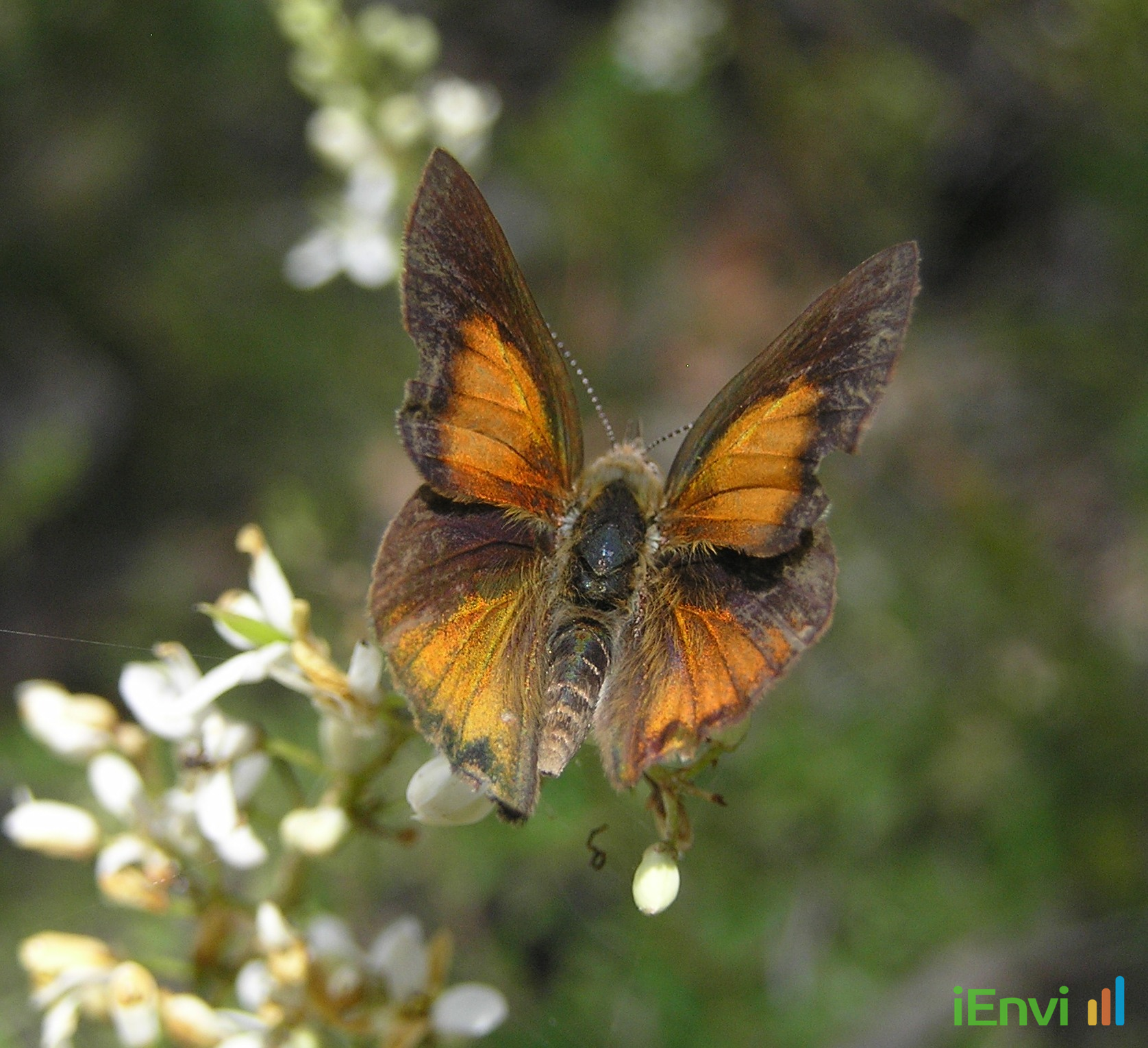
Eltham Copper Butterfly larvae numbers surge at Yarra Valley Water restoration site
Annual ecological monitoring at a Yarra Valley Water site in Eltham, Victoria, has recorded an almost fivefold increase in larvae of the nationally endangered Eltham Copper Butterfly (Paralucia pyrodiscus lucida), from 17 larvae across 10 host plants to 82 larvae across 29 plants. The survey, conducted by specialist consultancy Wildlife & Ecology and published by Yarra Valley Water on 6 August 2025, also confirmed that the butterfly population is expanding uphill into newly restored habitat under the utility’s management.
This matters for Australian environmental professionals because it provides a rare, quantified example of a threatened invertebrate species responding measurably to targeted habitat restoration on operational infrastructure land. For developers, councils and utility asset managers, the case demonstrates that buffer zones and easements around pipelines, reservoirs and treatment infrastructure are not simply sterile risk-management corridors. They can be actively managed as functional biodiversity assets that discharge statutory obligations under both Commonwealth and Victorian threatened species law.
The recovery is the product of sustained, multi-party collaboration between Yarra Valley Water, Nillumbik Shire Council, ecological consultants and the volunteer group Friends of the Eltham Copper Butterfly. For practitioners advising on ecological offsets, EPBC Act referrals, or biodiversity conditions attached to infrastructure approvals, the monitoring data offers a concrete benchmark for what “measurable ecological uplift” looks like when reported to a regulator or included in an ESG disclosure.
Survey findings: larvae counts, host plants and habitat expansion
The core survey finding is a larvae count increase from 17 individuals across 10 Sweet Bursaria (Bursaria spinosa) host plants in the previous monitoring round to 82 larvae across 29 host plants in the most recent survey. This represents close to a fivefold increase in absolute larvae numbers and nearly a threefold increase in the number of host plants supporting active larvae, indicating both population growth and spatial spread rather than simple clustering on existing plants.
Surveyors confirmed the population is expanding uphill into areas of habitat restored and protected specifically by Yarra Valley Water, which points to successful corridor reconnectivity rather than incidental population fluctuation at the original colony site. This distinction matters technically because the Eltham Copper Butterfly is a poor disperser. Its entire life cycle depends on a tight, three-way symbiotic relationship between Sweet Bursaria shrubs, ants of the genus Notoncus, and the butterfly itself. Larvae shelter underground within Notoncus ant nests during daylight hours and are escorted by the ants at night to feed on Bursaria foliage, meaning colonisation of new ground requires the coincidence of suitable host plant density, an established Notoncus colony, and appropriate microclimate conditions all at once.
The species has a well-documented conservation history that underpins why this result is significant. It was believed extinct before its rediscovery in 1986, and it remains listed as nationally endangered. Because larvae, rather than adult butterflies, were the metric tracked across successive monitoring rounds, the survey methodology reflects current best practice in threatened invertebrate monitoring, where life-stage-specific counts provide a far more reliable indicator of population trend than adult sightings, which are seasonal, weather-dependent and easily missed.
The restoration programme behind these numbers has been long-term and multi-stakeholder, involving Yarra Valley Water as landholder, Nillumbik Shire Council, specialist ecological consultants undertaking the annual surveys, and the Friends of the Eltham Copper Butterfly volunteer group providing ongoing site stewardship. No single monitoring event produced this result. The data represents a trend built up over repeated annual surveys, which is the level of monitoring rigour typically expected when demonstrating compliance with conditions attached under threatened species legislation.
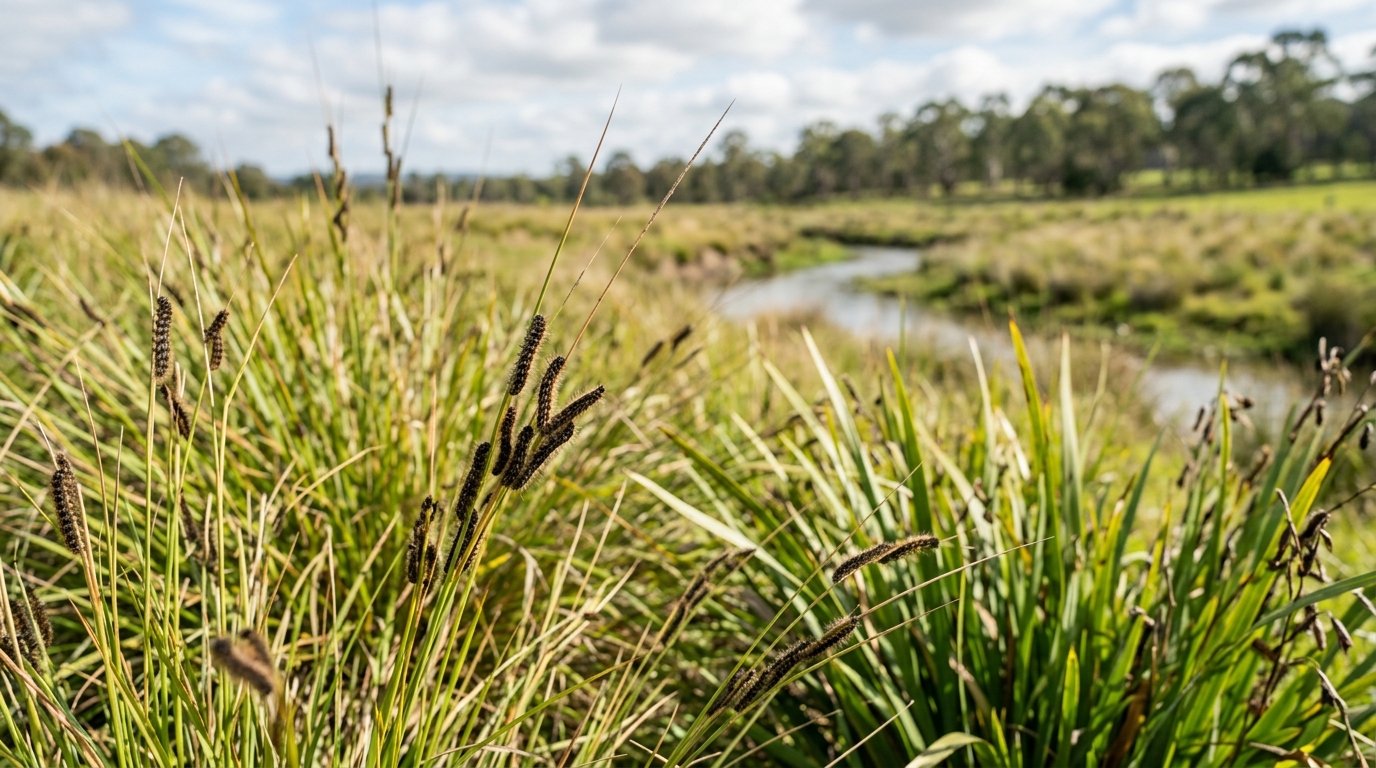
Eltham Copper Butterfly recovery and Australian biodiversity law
In Victoria, the Eltham Copper Butterfly is protected under the Flora and Fauna Guarantee Act 1988, which establishes the statutory framework for listing and protecting threatened flora and fauna and their critical habitat. Nationally, the species falls within the endangered species protection provisions of the Environment Protection and Biodiversity Conservation Act 1999, which governs referral, assessment and approval of actions likely to have a significant impact on listed threatened species and their habitat. Where infrastructure works, subdivisions or vegetation clearing intersect with Eltham Copper Butterfly habitat in the Eltham, Greensborough or Bendigo areas where the species persists, both statutory regimes are typically engaged concurrently.
For practitioners preparing referrals or offset strategies under the EPBC Act, this case is a useful reference point for what regulators and reviewers increasingly expect from monitoring programmes submitted in support of biodiversity conditions or offset performance reporting. A single baseline count followed by a one-off post-works survey does not demonstrate a trend. The Yarra Valley Water example relies on repeated annual surveys tracking a specific life stage across a defined set of host plants, which is the standard now being applied by specialist ecological consultancies delivering evidence for statutory reporting and voluntary ESG disclosures alike.
The case also illustrates a broader point relevant to utility and linear infrastructure land management across Australia. Water corporations, energy transmission operators and rail corridor managers all hold large volumes of buffer and easement land that is frequently treated as a maintenance liability rather than a potential conservation asset. The Eltham result shows that, with sustained annual monitoring, targeted host plant restoration and genuine collaboration between the landholder, local government and community volunteers, such land can deliver documented recovery outcomes for even the most ecologically demanding threatened species. Those outcomes, in turn, give asset owners defensible evidence for regulators, boards and ESG reporting that habitat obligations are being met in practice, not just on paper.
References and related sources
- Primary source: www.yvw.com.au
- facebook.com
- NEPM Assessment of Site Contamination
- EPBC Act
How iEnvi can help
iEnvi provides specialist consulting services relevant to this topic. Our team includes CEnvP Site Contamination Specialists with experience across contaminated land, groundwater, remediation, ecology, and regulatory compliance.
- iEnvi ecology services
- iEnvi ESG services
- iEnvi contaminated land investigation services
- iEnvi remediation and validation services
- iEnvi expert services and independent review services
This is an iEnvi Machete news summary. Prepared by iEnvi to summarise the source article for contaminated land, groundwater, remediation, approvals and site risk professionals.
Published: 10 Aug 2026
Need advice on this topic? Speak to an iEnvi expert at info@ienvi.com.au or 1300 043 684, or contact us online.
Need advice on this issue? iEnvi provides practical, senior-led environmental consulting across contaminated land, remediation, ecology and environmental risk.
Team credentials Flora and fauna assessment Contaminated land services Remediation services Talk to iEnvi