
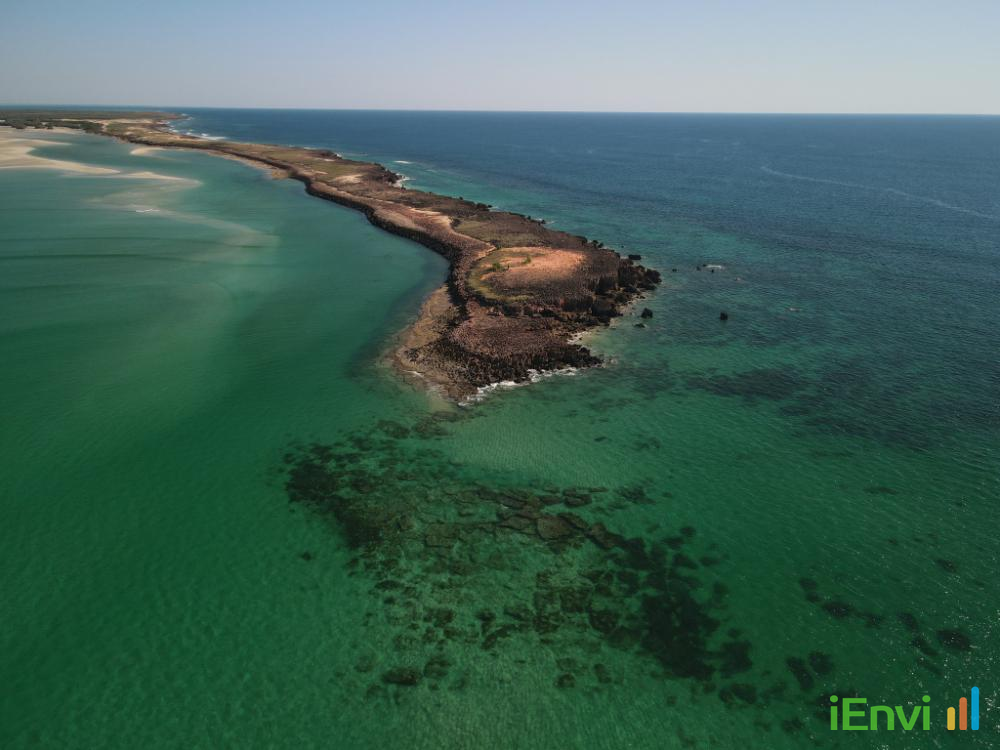
Overview: Bardi Jawi Gaarra Marine Park enforcement begins 19 July 2026
The Department of Biodiversity, Conservation and Attractions (DBCA) has confirmed that active statutory enforcement of the Bardi Jawi Gaarra Marine Park zoning scheme will commence on 19 July 2026, marking the end of a 12-month educational and transitional period that followed the finalisation of the park’s management framework. The marine park spans 204,000 hectares of sea country across the northern Dampier Peninsula and the western Buccaneer Archipelago in Western Australia’s Kimberley region, and its transition to full enforcement represents one of the most significant regulatory changes to affect marine operations in the Kimberley in recent years.
The park is one of three Buccaneer Archipelago marine parks co-designed simultaneously with Traditional Owners in 2022, and it is jointly managed by DBCA and the Bardi and Jawi peoples under the Bardi Jawi Gaarra Marine Park Joint Management Plan. The co-design process embedded Traditional Ecological Knowledge (TEK) directly into the statutory zoning framework, creating a management structure that is both ecologically grounded and culturally sovereign. For environmental consultants, marine ecologists, tourism operators, and commercial fishing interests working in the region, the shift from transitional guidance to active enforcement fundamentally changes the compliance landscape.
From 19 July 2026, DBCA compliance officers and Fisheries officers will actively monitor, audit, and prosecute unlawful activities within restricted zones. Proponents who have relied on the transitional period to continue existing operations without formal alignment to the zoning boundaries must now treat those boundaries as hard legal constraints. Any environmental impact assessment, baseline monitoring programme, or operational activity that intersects with the park boundary requires immediate review against the finalised zoning scheme to confirm lawful status.
Key details: Zoning scheme structure, permitted activities, and enforcement powers
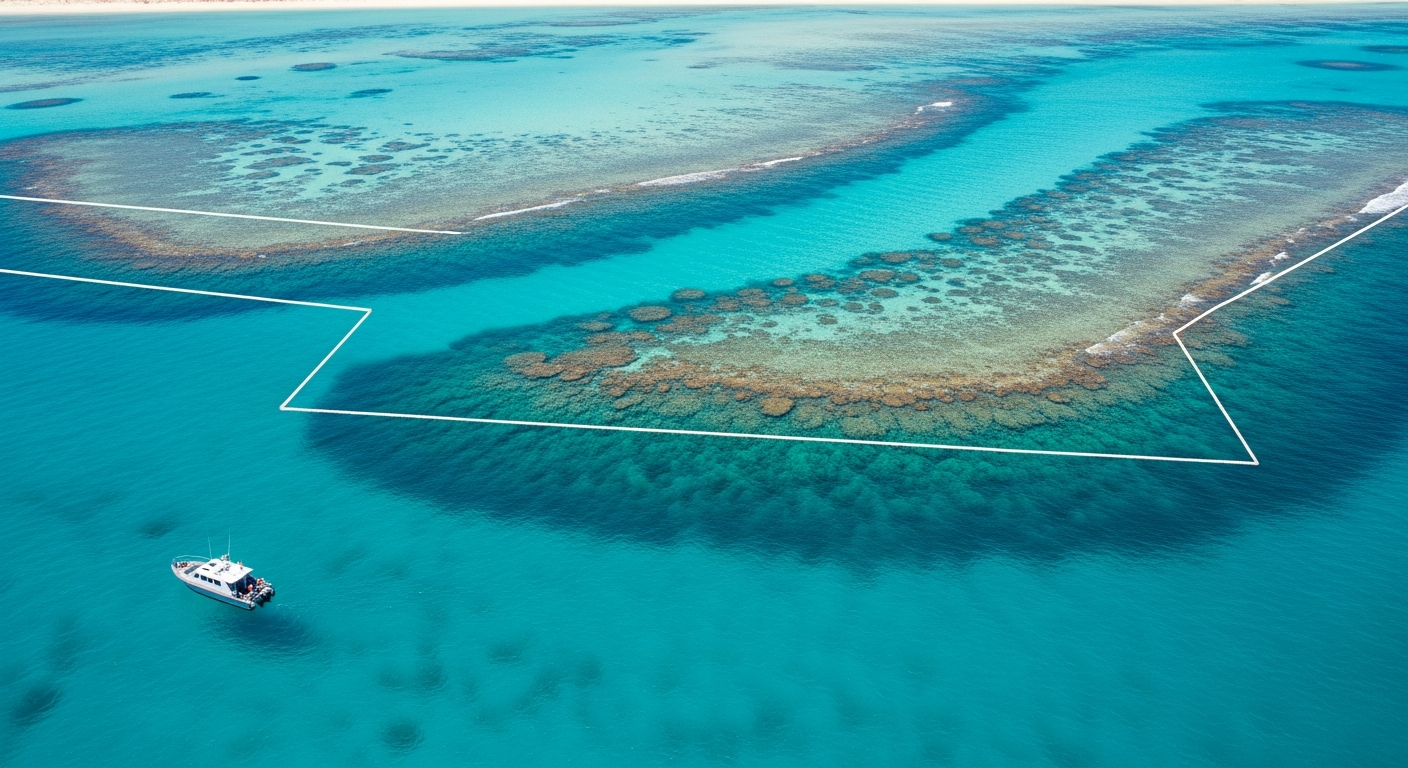
The Bardi Jawi Gaarra Marine Park zoning scheme establishes four distinct management zones across the 204,000-hectare park, each carrying different permitted and prohibited activities. General Use Zones cover 47 percent of the park’s total area, the largest single zone category, within which recreational and commercial fishing remain permitted under existing licensing conditions. These zones provide the broadest operational scope for existing marine users and are the primary areas where established commercial fishing operations can continue with the least disruption.
Special Purpose (Cultural Protection) Zones account for 26 percent of the park. Within these zones, recreational fishing is no longer freely permitted; access for recreational fishing is restricted to participants in a licensed commercial tour operation. Commercial trochus collection, however, remains an allowable activity. This distinction is significant for tour operators who will need to review and potentially update their licence conditions to ensure their guiding activities are structured in a way that lawfully permits client fishing within these zones. Special Purpose (Biocultural Conservation) Zones cover the remaining 2 percent of the park and allow both recreational fishing and specific forms of commercial fishing, recognising the particular cultural and ecological character of those areas.
Sanctuary Zones represent 25 percent of the park and impose the strictest management controls. Within sanctuary zones, all forms of fishing and collecting are prohibited without exception for non-customary users. These zones have been designated to protect critical marine habitats, rare coral assemblages, and key fauna populations including dugongs, turtles, and humpback whales. The look-but-don’t-take principle is the governing standard. Customary activities undertaken by Bardi and Jawi Traditional Owners, including hunting, fishing, and ceremonial practices, remain permitted across all four zone types, preserving the full cultural connection of the Traditional Owners to their Sea Country as an express feature of the joint management plan.
Enforcement authority is grounded in two pieces of Western Australian statute: the Conservation and Land Management Act 1984 (WA), which gives DBCA officers their primary powers over park management and compliance, and the Fish Resources Management Act 1994 (WA), under which Fisheries officers can take action against unlawful taking of marine resources. Both agencies will be actively involved in compliance operations from 19 July 2026. Penalties for unlawful activity within restricted zones can include infringement notices, licence suspensions, and prosecution under the relevant Acts. The transitional period that began following the zoning scheme announcement in 2025 has now formally concluded, and no further grace provisions apply.
Australian context: Marine park co-management and implications for WA and national environmental practice
The Bardi Jawi Gaarra Marine Park represents a practical implementation of co-designed marine protected area (MPA) governance in Australia, a model that has been discussed extensively in policy circles but has been slower to achieve statutory expression. Under the Environment Protection and Biodiversity Conservation Act 1999 (Cth), the Commonwealth maintains oversight of matters of national environmental significance, which includes listed threatened species such as the dugong and several marine turtle species present within the park. State-level marine park management under the Conservation and Land Management Act 1984 (WA) operates alongside, rather than in isolation from, Commonwealth referral obligations. Proponents undertaking activities within or adjacent to the park that may affect EPBC-listed species must continue to assess their referral obligations under the EPBC Act to ensure compliance with federal requirements.
References and related sources
- Primary source: www.wa.gov.au
- dbca.wa.gov.au
- dbca.wa.gov.au
- karmactive.com
- legislation.wa.gov.au
- EPBC Act
How iEnvi can help
iEnvi provides specialist consulting services relevant to this topic. Our team includes CEnvP Site Contamination Specialists with experience across contaminated land, groundwater, remediation, ecology, and regulatory compliance.
- iEnvi contaminated land investigation services
- iEnvi remediation and validation services
- iEnvi expert services and independent review services
This is an iEnvi Machete news summary. Prepared by iEnvi to summarise the source article for contaminated land, groundwater, remediation, approvals and site risk professionals.
Published: 09 Jul 2026
Need advice on this topic? Speak to an iEnvi expert at info@ienvi.com.au or 1300 043 684, or contact us online.
Need advice on this issue? iEnvi provides practical, senior-led environmental consulting across contaminated land, remediation, ecology and environmental risk.
Team credentials Contaminated land services Remediation services Groundwater services Talk to iEnvi