
Overview
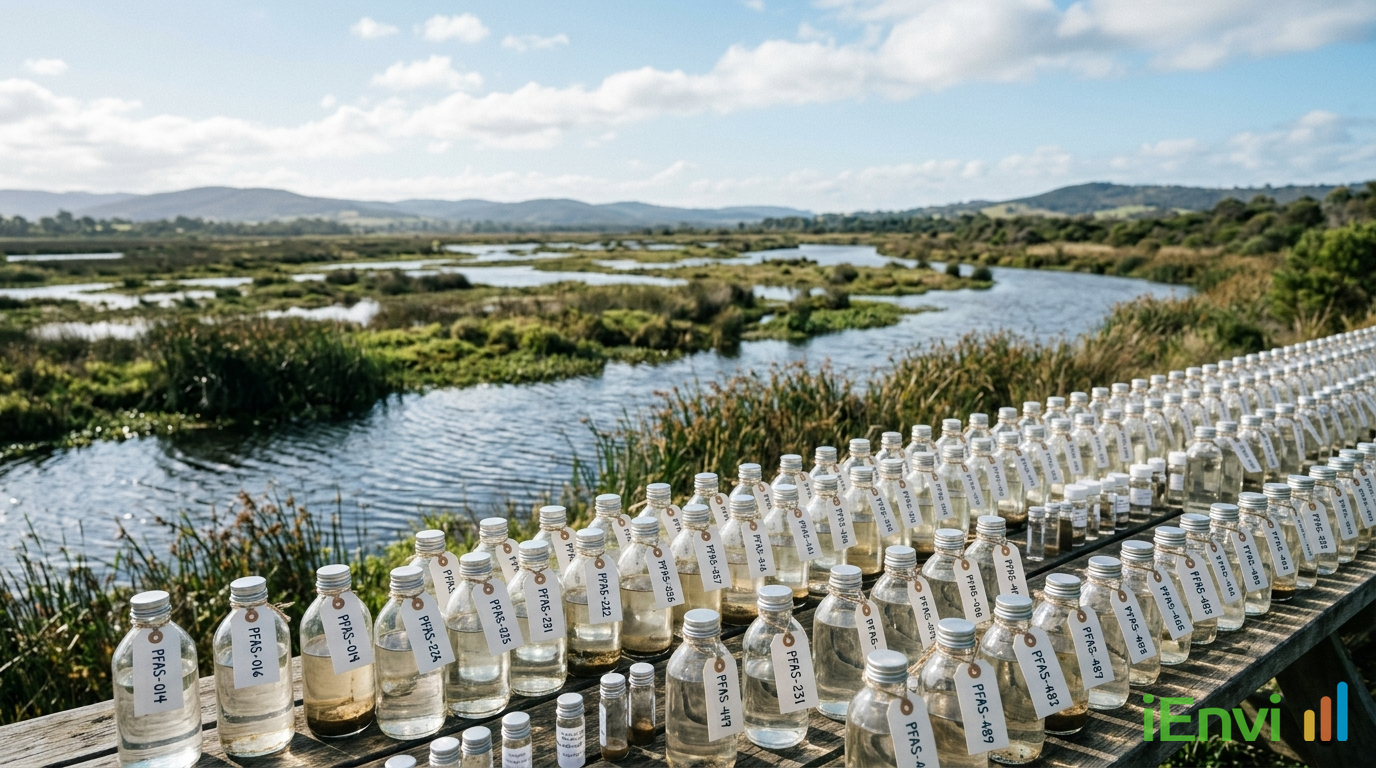
The Executive Director of the Australian Industrial Chemicals Introduction Scheme (AICIS) has initiated a mandatory evaluation covering 522 per- and polyfluoroalkyl substances (PFAS) currently listed on the Australian Inventory of Industrial Chemicals (AIIC). A statutory notice was issued on 21 October 2025 under section 76 of the Industrial Chemicals Act 2019 (Cth), directing all AICIS-registered introducers from the period 1 September 2023 to 31 August 2025 to report whether they have imported or manufactured any of the 522 named PFAS compounds, the total volumes introduced, and the specific end uses of those substances in Australia. This is one of the most comprehensive federal data-gathering exercises targeting PFAS since Australia’s chemical regulation framework was substantially reformed through the introduction of the Industrial Chemicals Act 2019.
For environmental professionals, contaminated land consultants, and legal advisers operating in the property and industrial sectors, this evaluation represents a material shift in the federal government’s approach to quantifying PFAS flows through the Australian supply chain. Historically, the exact volumes and end-use applications of the majority of PFAS compounds listed on the AIIC have not been systematically compiled or made publicly available. This statutory data call-in changes that. The information gathered will provide regulators with a detailed picture of which industries are sourcing specific PFAS compounds, in what quantities, and for what declared purposes. That intelligence will feed directly into future regulatory scheduling decisions, national environmental management planning, and state-based EPA compliance programmes.
For developers, property lawyers, industrial tenants, and councils dealing with site history assessments or due diligence processes, the downstream effects of this evaluation will be felt across Phase 1 Environmental Site Assessments (ESAs), contaminated land audits, and environmental risk advice. Understanding the mechanics of this evaluation — who is captured, what is required, and what the data will ultimately be used for — is now a practical necessity for anyone working near PFAS-sensitive industrial or commercial land uses in Australia.
Key details of the AICIS PFAS evaluation under the Industrial Chemicals Act 2019
The evaluation was initiated by the AICIS Executive Director under section 74 of the Industrial Chemicals Act 2019 (Cth), which provides the authority to evaluate listed industrial chemicals. The accompanying section 76 statutory notice, issued on 21 October 2025, is the legal mechanism by which AICIS compels registered introducers to provide specific information in support of that evaluation. The notice applies to all introducers registered with AICIS during the two-year period from 1 September 2023 to 31 August 2025, inclusive. Compliance with a section 76 notice is not discretionary. Failure to respond constitutes a breach of the Act.
Registrants subject to the notice are required to review the full list of 522 PFAS compounds and formally advise AICIS on three matters: first, whether they have introduced any of the listed substances during the relevant period; second, the total volume introduced, expressed in appropriate units; and third, the specific end uses of those substances within Australia. The 522 compounds subject to evaluation are drawn from the AIIC, which is the definitive register of industrial chemicals that may be legally introduced into Australia. The scope of 522 compounds is notably broad. It encompasses not only legacy PFAS such as perfluorooctane sulfonate (PFOS) and perfluorooctanoic acid (PFOA), which are already subject to strict controls, but also a wide range of short-chain PFAS and PFAS alternatives that manufacturers have increasingly adopted as substitutes in industrial and consumer applications.
One important boundary to this reporting obligation relates to section 11 exclusions under the Industrial Chemicals Act 2019. Section 11 defines categories of chemicals that are excluded from the Act’s introductions framework entirely. These include naturally occurring chemicals, non-isolated reaction intermediates, and certain incidental chemicals produced as by-products. Introductions that qualify under section 11 do not need to be reported in response to the section 76 notice. This is a technically specific carve-out and businesses should seek qualified legal or regulatory affairs advice before concluding that a section 11 exclusion applies to their situation, given the penalties associated with non-compliance.
The Industrial Chemicals Environmental Management Standard (IChEMS) framework sits alongside the AICIS evaluation process as the primary tool for translating chemical risk assessments into environmental controls. AICIS evaluation findings can inform IChEMS scheduling decisions, which in turn establish the environmental management requirements that apply to industrial chemicals across their lifecycle in Australia. For PFAS specifically, the connection between AICIS evaluation data and IChEMS scheduling is particularly significant because it creates a direct regulatory pathway from supply chain data to enforceable environmental management obligations. The current evaluation of 522 compounds therefore has the potential to trigger or accelerate IChEMS scheduling reviews for PFAS categories that have not yet been subject to formal environmental management controls.
Australian context: PFAS NEMP 3.0, state EPA frameworks, and contaminated land practice
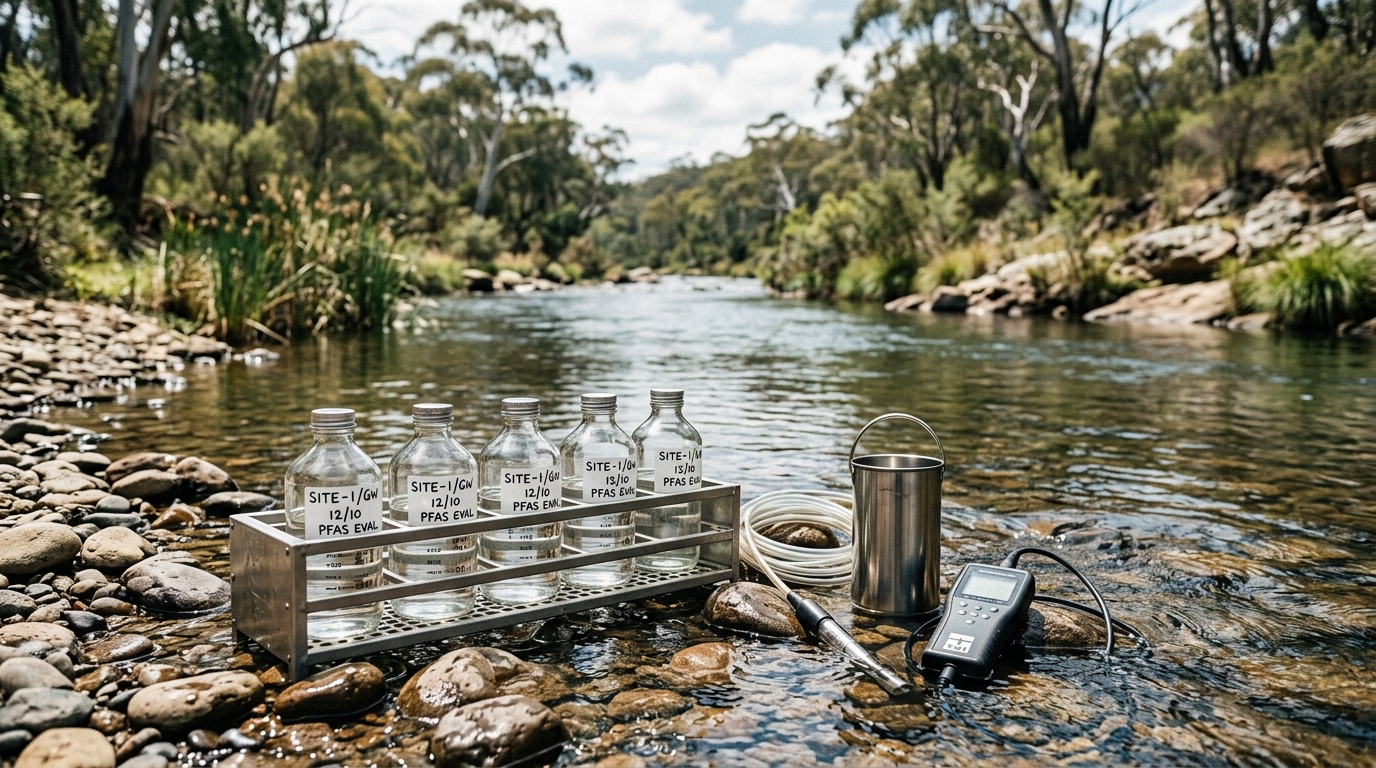
The AICIS evaluation sits within a broader and increasingly assertive federal and state regulatory response to PFAS contamination in Australia. The PFAS National Environmental Management Plan (NEMP) 3.0, published on 4 March 2025, is the current nationally agreed framework for the assessment
References and related sources
How iEnvi can help
iEnvi provides specialist consulting services relevant to this topic. Our team includes CEnvP Site Contamination Specialists with experience across contaminated land, groundwater, remediation, ecology, and regulatory compliance.
- iEnvi contaminated land services
- iEnvi remediation and validation services
- iEnvi expert services and independent review services
This is an iEnvi Machete news summary. Prepared by iEnvi to summarise the source article for contaminated land, groundwater, remediation, approvals and site risk professionals.
Published: 08 Apr 2026
Need advice on this topic? Speak to an iEnvi expert at info@ienvi.com.au or 1300 043 684, or contact us online.
Need advice on this issue? iEnvi provides practical, senior-led environmental consulting across contaminated land, remediation, ecology and environmental risk.
Team credentials Environmental management plans Contaminated land advice Remediation services Talk to iEnvi