
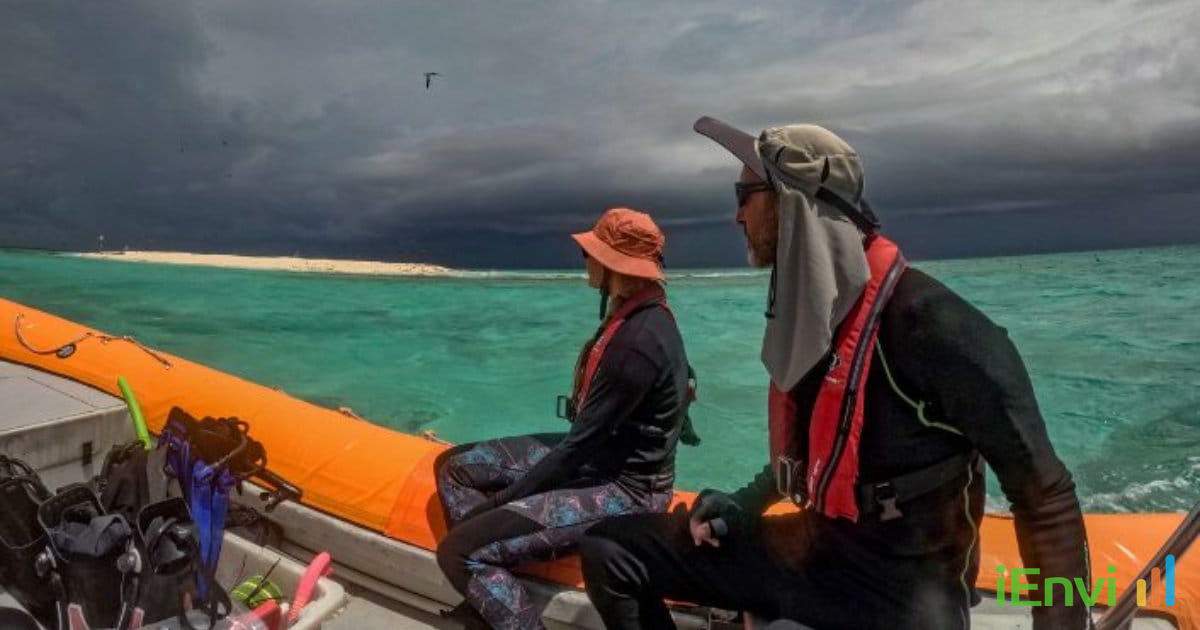
AIMS Long-Term Monitoring Program: 2025-26 Coral Cover Findings
The Australian Institute of Marine Science (AIMS) released its Annual Summary Report of Coral Reef Condition for 2025-26 on 11 August 2026, delivering findings that will directly affect how environmental practitioners frame marine baselines for the coming approvals cycle. Under its Long-Term Monitoring Program (LTMP), AIMS recorded stabilised or slightly increased hard coral cover across all three main regions of the Great Barrier Reef, a result attributed to a late-summer monsoon and cyclone activity between January and March 2026 that cooled sea surface temperatures at a critical point in the annual heat stress cycle.
For environmental consultants, developers, port authorities and legal advisers working on projects touching the Great Barrier Reef World Heritage Area, this report matters for two reasons that pull in opposite directions. On one hand, coral cover has not collapsed the way many feared after a severe regional heat stress event earlier in the 2025-26 summer, which is a genuinely positive outcome for ecological condition assessments. On the other, AIMS has flagged the onset of a fifth major Crown-of-Thorns Starfish (Acanthaster cf. solaris) outbreak wave in the Northern region, a biosecurity and ecological risk that will shape environmental management plans for years, not months.
This is not a routine annual update to file away. It is a signal that reef condition can shift materially within a single monitoring cycle due to short-term oceanographic events, and that static baselines drawn from older survey rounds are increasingly unreliable for supporting Matters of National Environmental Significance (MNES) assessments under the Environment Protection and Biodiversity Conservation Act 1999 (EPBC Act).
Regional Coral Cover Results and Crown-of-Thorns Starfish Outbreak Risks
The LTMP survey data show hard coral cover in the Northern region (Cape York to Cooktown) increased to 35.1 per cent in 2025-26, up from 30.0 per cent recorded in 2025. The Central region (Cooktown to Proserpine) rose to 31.6 per cent, up from 28.6 per cent the previous year. The Southern region (Proserpine to Gladstone) held broadly steady at 26.4 per cent, a marginal 0.5 percentage point decline from 26.9 per cent in 2025 that AIMS scientists consider within the natural margin of error for the monitoring methodology.
The mechanism behind the improved Northern and Central results is directly tied to weather. A late-summer monsoon and associated cyclone activity between January and March 2026 lowered sea surface temperatures at the point in the season when accumulated thermal stress typically triggers mass bleaching and subsequent mortality. AIMS scientists describe this as a case of timing rather than a change in underlying climate trajectory. The cooling arrived after severe regional heat stress had already occurred earlier in the season, effectively interrupting a mortality event that was underway rather than preventing heat stress altogether.
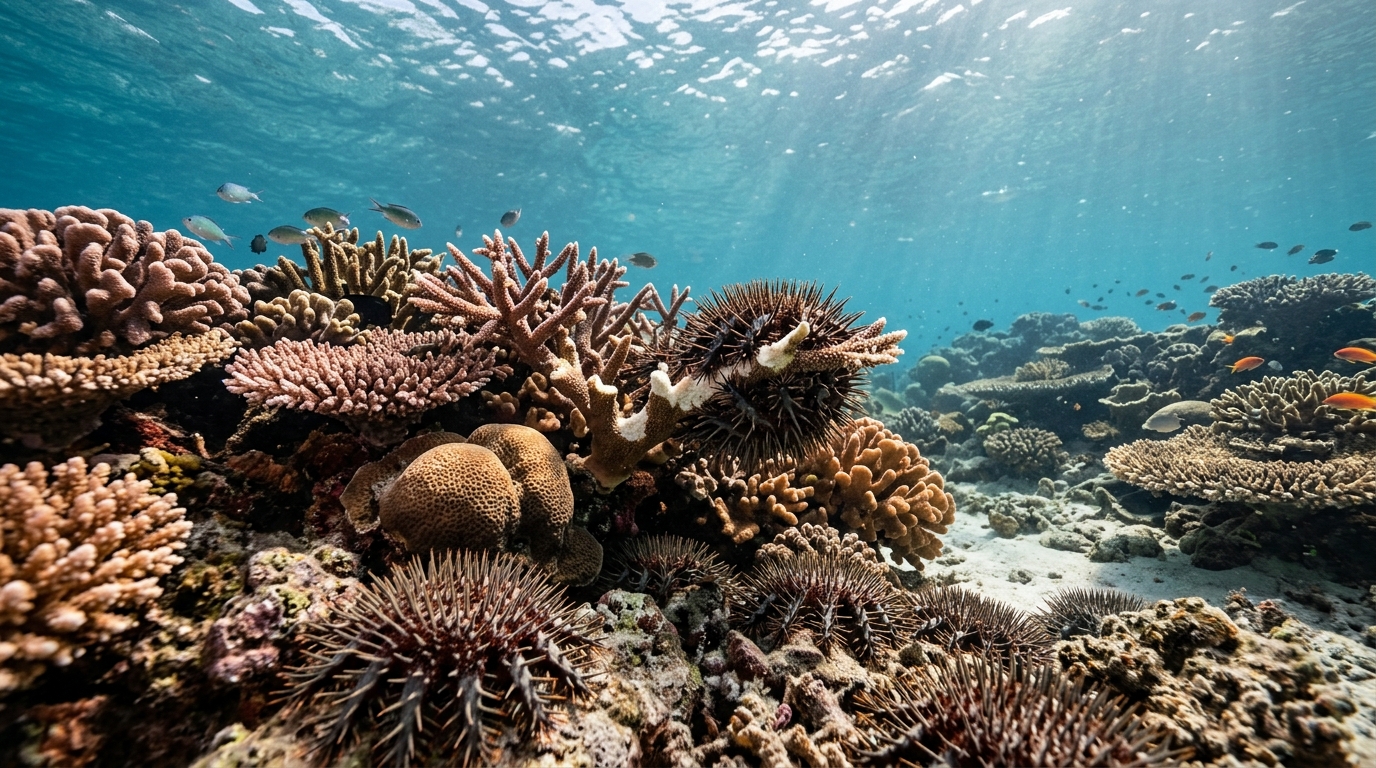
The more concerning finding for practitioners managing coastal and marine development is the confirmed increase in Crown-of-Thorns Starfish densities in the Northern region. AIMS has identified this as the initiation of a fifth major outbreak wave since systematic record-keeping began in the 1960s. Crown-of-Thorns Starfish outbreaks are a recognised driver of coral loss independent of thermal stress, and past outbreak waves have taken multiple years to run their course, with population densities typically building for two to three years before peaking. This means the ecological risk profile for the Northern region is now trending in the opposite direction to the encouraging coral cover figures, even within the same reporting period.
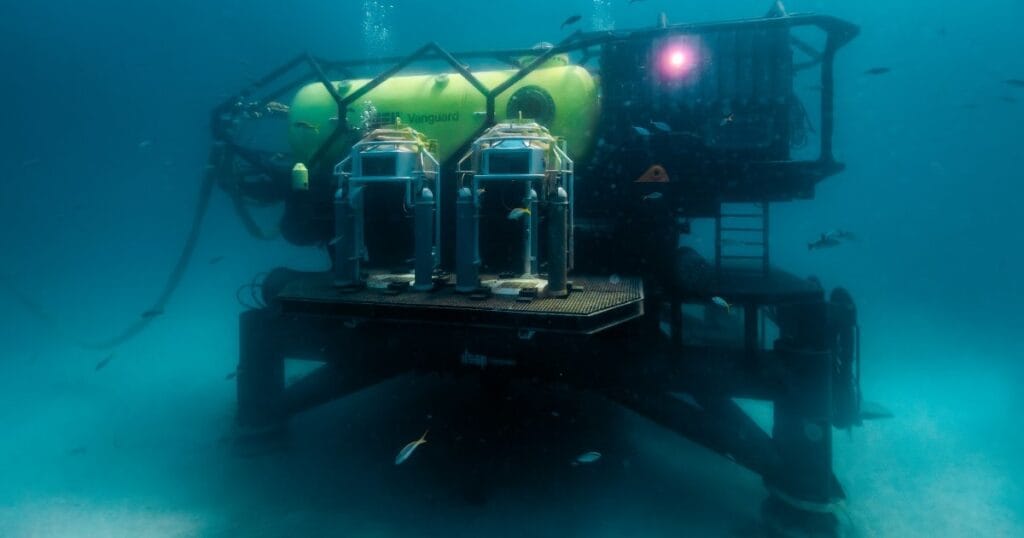
The report sits within the established AIMS LTMP methodology, which surveys fixed reef sites across the Northern, Central and Southern regions annually using standardised manta tow and photo transect techniques to derive percentage hard coral cover estimates. This consistency in methodology is what allows AIMS and downstream users of the data, including EPBC Act referral proponents, to compare year-on-year figures with confidence rather than treating each survey as an isolated snapshot.
Great Barrier Reef monitoring data and EPBC Act assessments
For Australian practitioners, the most immediate relevance is to environmental impact assessments and referrals involving the Great Barrier Reef World Heritage Area under the EPBC Act. Where a proposed action, such as capital dredging, port expansion or offshore infrastructure, requires assessment of impacts on MNES, the current AIMS LTMP figures now represent the most defensible regional baseline available. Referral documents or supporting technical reports that rely on coral cover data predating the 2025-26 survey risk being challenged as out of date, particularly for projects in the Northern region where the year-on-year change of over five percentage points is substantial.
The Crown-of-Thorns Starfish finding also has direct bearing on water quality management under the Australian and New Zealand Guidelines for Fresh and Marine Water Quality (ANZG 2018). Nutrient loading from catchment runoff is a recognised contributing factor to Crown-of-Thorns Starfish larval survival and outbreak intensity, meaning water quality management plans for projects adjacent to the Great Barrier Reef catchment may need to reference this emerging outbreak alongside existing ANZG-derived nutrient and turbidity thresholds. This is separate from, but complementary to, the Queensland Government’s own reef water quality guideline framework administered by the Department of Environment, Tenure and Sciences.
Practical Implications for Referrals, Baselines and Management Plans
Practitioners preparing EPBC Act referrals, environmental impact statements or offset calculations for projects within or adjacent to the Great Barrier Reef World Heritage Area should update ecological baseline sections to reflect the 2025-26 LTMP figures as soon as practicable. For projects already in the assessment pipeline, a short addendum or technical memorandum confirming that the new data have been considered, and explaining whether they alter the impact conclusions, is a low-cost way to reduce the risk of information requests or challenges on currency grounds.
Projects in the Northern region warrant particular attention. Environmental management plans, monitoring programs and adaptive management triggers should be reviewed against the emerging Crown-of-Thorns Starfish outbreak, since coral loss driven by predation over the next several years could shift condition baselines independently of any project-related impacts. Building outbreak-related contingencies into monitoring designs now, including reference sites that allow project effects to be distinguished from outbreak effects, will save considerable difficulty when compliance reporting falls due.
Finally, advisers should treat the 2025-26 result as a reminder that reef condition data have a short shelf life. The improvement recorded this cycle was driven by fortuitous weather timing rather than a change in the underlying climate trajectory, and AIMS itself has framed it that way. Baselines, risk assessments and offset calculations should be structured so they can absorb annual LTMP updates without requiring wholesale rework, because the next monitoring cycle may tell a very different story.
References and related sources
- Primary source: www.aims.gov.au
- ecomagazine.com
- environment.qld.gov.au
- https://www.aims.gov.au/information-centre/news-and-stories/reef-relief-how-late
- EPBC Act
How iEnvi can help
iEnvi provides specialist consulting services relevant to this topic. Our team includes CEnvP Site Contamination Specialists with experience across contaminated land, groundwater, remediation, ecology, and regulatory compliance.
- iEnvi contaminated land investigation services
- iEnvi remediation and validation services
- iEnvi expert services and independent review services
This is an iEnvi Machete news summary. Prepared by iEnvi to summarise the source article for contaminated land, groundwater, remediation, approvals and site risk professionals.
Published: 13 Aug 2026
Need advice on this topic? Speak to an iEnvi expert at info@ienvi.com.au or 1300 043 684, or contact us online.
Need advice on this issue? iEnvi provides practical, senior-led environmental consulting across contaminated land, remediation, ecology and environmental risk.
Team credentials Environmental management plans Contaminated land services Remediation services Talk to iEnvi