
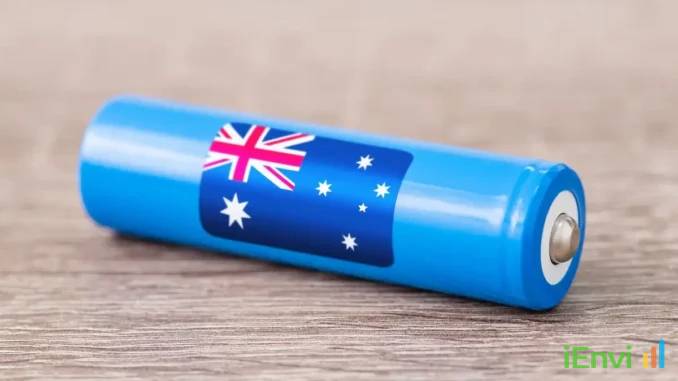
Electralith R-Box Lithium Recovery Pilot at Kwinana: Overview
The Australian Government has committed $2.9 million through the Australian Renewable Energy Agency to help Melbourne-based Electralith Pty Ltd pilot a new lithium refining process at Kwinana, Western Australia. The announcement, made on 7 August 2024 by Minister for Climate Change and Energy Chris Bowen, backs a $7.3 million pilot facility that will trial Electralith’s “R-Box” electro-membrane technology to pull battery-grade lithium directly out of industrial liquid waste streams and mining processing effluent.
For environmental consultants, hydrogeologists and industrial site operators, this is not simply a mining industry funding story. It signals a shift in how liquid waste and process effluent can be treated at source, converting a discharge liability into a saleable product stream. That has direct consequences for how waste and water management plans are designed, how tailings and evaporation ponds are sized, and how environmental approval conditions under state legislation get negotiated.
The pilot matters to Australian practice because it sits at the intersection of three regulatory pressures that consultants are already dealing with daily: tightening industrial discharge limits, constrained water allocations in resource-intensive zones, and government policy pushing critical minerals processing onshore under the Future Made in Australia framework. A technology that reduces reagent use, freshwater draw and process emissions while recovering a high-value mineral is the kind of development that reshapes feasibility studies, not just corporate sustainability reports.
How the R-Box Electro-Membrane Process Works and What ARENA Is Funding
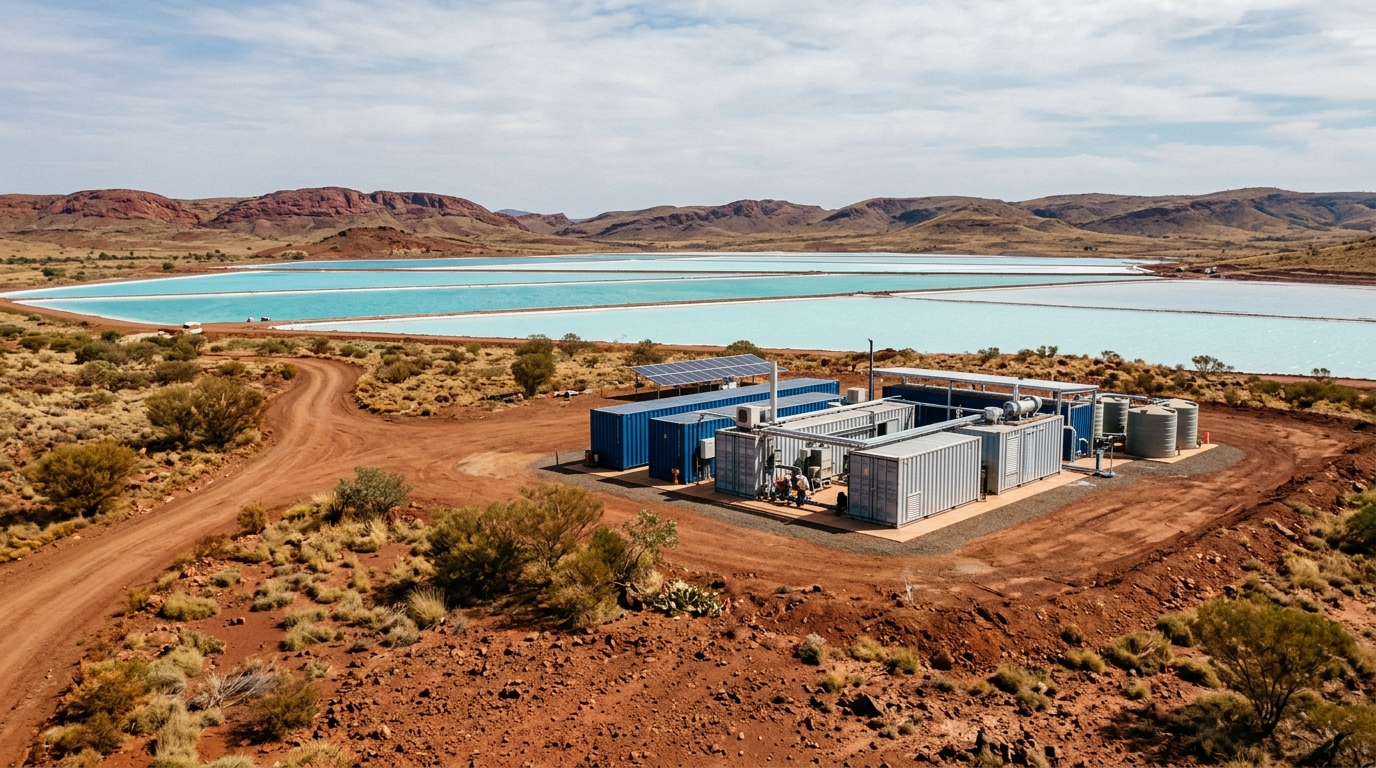
The R-Box process uses electro-membrane separation, an electrified technique that applies targeted electrical potential across selective membranes to isolate lithium ions directly from liquid streams, rather than relying on the acid precipitation, soda ash dosing and multi-stage evaporation that characterise conventional hydrometallurgical and pyrometallurgical lithium refining. Because the process runs on electricity, it can be powered by renewable energy, and Electralith has stated the pilot is designed to run on renewable-sourced power at the Kwinana site.
The Kwinana facility carries a total project cost of $7.3 million, with the Commonwealth grant of $2.9 million covering just under 40 per cent of that figure through ARENA under the Australian Renewable Energy Agency Act 2011 (Cth). The pilot is intended to demonstrate the technology at a scale sufficient to validate lithium recovery rates, product purity and process economics before any decision on commercial-scale deployment.
Feedstock for the pilot is drawn from industrial liquid waste streams and mining processing effluent, meaning the technology is designed to operate on existing waste and wastewater flows rather than requiring new extraction of raw ore or brine. This distinguishes R-Box from conventional lithium production pathways, which typically start from spodumene concentrate or brine ponds and generate substantial secondary waste in the form of mineralised sludge and saline effluent.
According to the source material, the process drastically cuts freshwater use, chemical reagent consumption and process greenhouse gas emissions compared with traditional refining routes. No specific percentage reduction figures for water, reagent use or emissions have been published in the ministerial release, and any claims beyond the qualitative description of “drastic” reduction should be treated as pending further technical disclosure once pilot data becomes available. The pilot’s operation in Western Australia places it under the state’s environmental impact assessment provisions in Part IV and the industrial discharge and licensing provisions in Part V of the Environmental Protection Act 1986 (WA).
WA Regulatory Framework, Environmental Approvals and National Policy Context
Western Australia’s Environmental Protection Act 1986 governs industrial liquid discharges and effluent management through Part V works approvals and licensing conditions, and any scale-up of R-Box beyond pilot stage will need to satisfy the Department of Water and Environmental Regulation’s discharge quality and volume criteria. Facilities that demonstrate reduced total dissolved solids and lower final effluent volumes through direct extraction technologies have a stronger basis for negotiating licence conditions, particularly in industrial precincts like Kwinana where multiple operators compete for water allocation and discharge capacity.
The National Waste Policy Action Plan 2019 sets resource recovery and circular economy objectives that this pilot directly supports, since recovering battery-grade lithium from waste streams that would otherwise require disposal or long-term storage is a textbook circular economy outcome. Consultants preparing waste management plans or resource recovery assessments for industrial clients in the critical minerals and mining chemicals sectors should be aware that direct extraction technologies are increasingly viewed favourably by state EPAs assessing emissions, discharge minimisation and circular economy performance criteria.
This development also sits within the broader push for sovereign critical minerals processing under the Future Made in Australia policy framework. As more processing capacity is built domestically rather than exported as raw concentrate, environmental practitioners can expect a growing volume of industrial wastewater and effluent management work associated with lithium, nickel and rare earth processing facilities, particularly across Western Australia and increasingly in Queensland and South Australia where critical minerals projects are advancing.
What the Pilot Means for Site Operators, Consultants and Approvals Practice
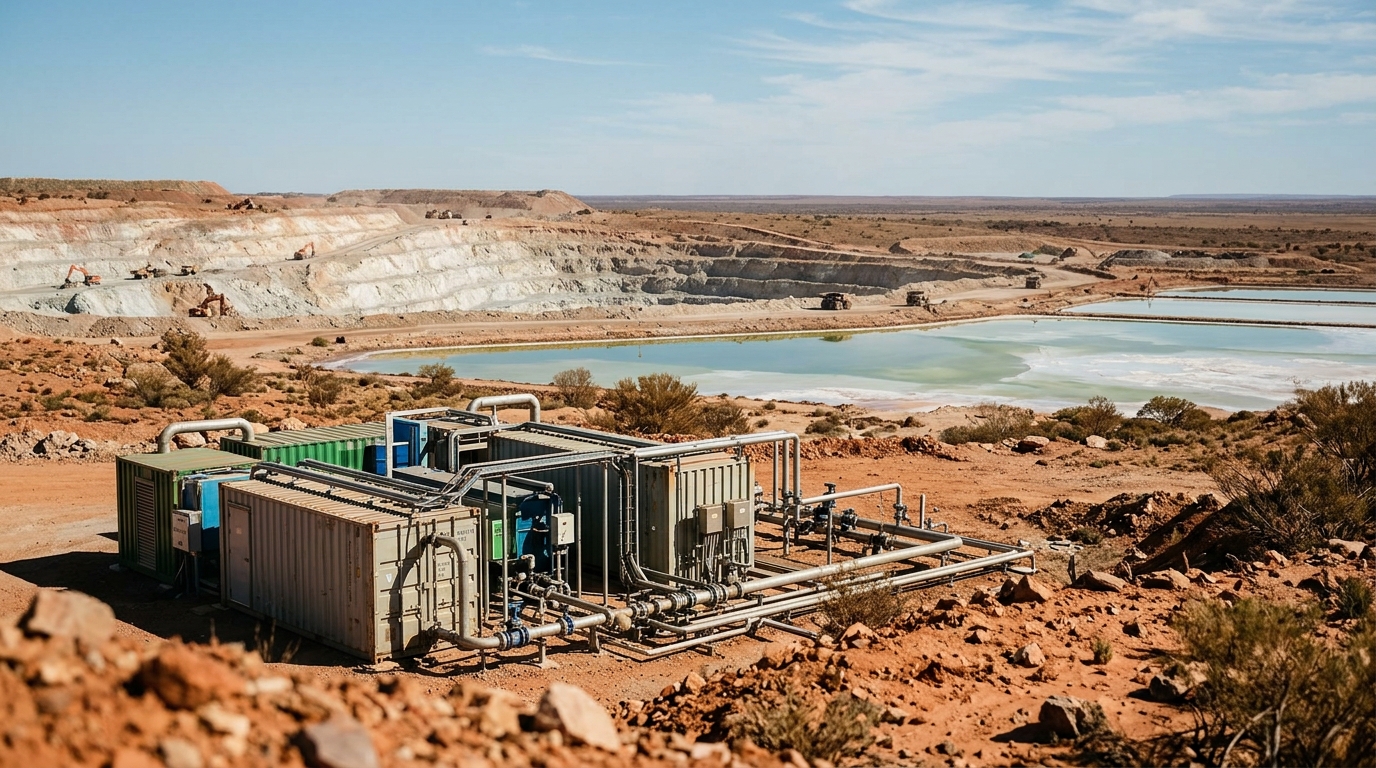
Site owners and operators managing existing tailings dams, evaporation ponds or industrial effluent streams containing residual lithium or other recoverable metals should consider whether direct extraction technologies could be integrated into existing water and waste management infrastructure. Where recovery is feasible, the commercial case for retrofitting may be strengthened by reduced disposal costs, smaller pond footprints and lower long-term closure liabilities, in addition to any revenue from recovered product.
Environmental consultants preparing discharge licence applications, works approvals or amendment requests under Part V of the Environmental Protection Act 1986 (WA) should monitor the pilot’s published results, as validated recovery and effluent quality data could support arguments for revised discharge limits or reduced monitoring burdens where extraction technology is deployed. Hydrogeologists and water resource specialists may also find the technology relevant to water balance modelling, since a meaningful reduction in freshwater draw changes allocation assumptions for constrained industrial precincts.
The pilot remains at demonstration stage, and practitioners should treat performance claims as unverified until Electralith and ARENA release operational data on recovery rates, product purity and effluent characteristics. If the Kwinana trial validates the process economics, direct lithium extraction from waste streams is likely to move from novelty to a standard option assessed in feasibility studies, waste management plans and environmental approval strategies across Australia’s critical minerals sector.
References and related sources
- Primary source: minister.dcceew.gov.au
- advoc8.co
- thelithiumceo.com
- NEPM Assessment of Site Contamination
How iEnvi can help
iEnvi provides specialist consulting services relevant to this topic. Our team includes CEnvP Site Contamination Specialists with experience across contaminated land, groundwater, remediation, ecology, and regulatory compliance.
- iEnvi remediation services
- iEnvi groundwater services
- iEnvi expert services and independent review services
This is an iEnvi Machete news summary. Prepared by iEnvi to summarise the source article for contaminated land, groundwater, remediation, approvals and site risk professionals.
Published: 09 Aug 2026
Need advice on this topic? Speak to an iEnvi expert at info@ienvi.com.au or 1300 043 684, or contact us online.
Need advice on this issue? iEnvi provides practical, senior-led environmental consulting across contaminated land, remediation, ecology and environmental risk.
Team credentials Contaminated land services Remediation services Groundwater services Talk to iEnvi