
Australian AI Infrastructure and the Call for a Data Centre Moratorium
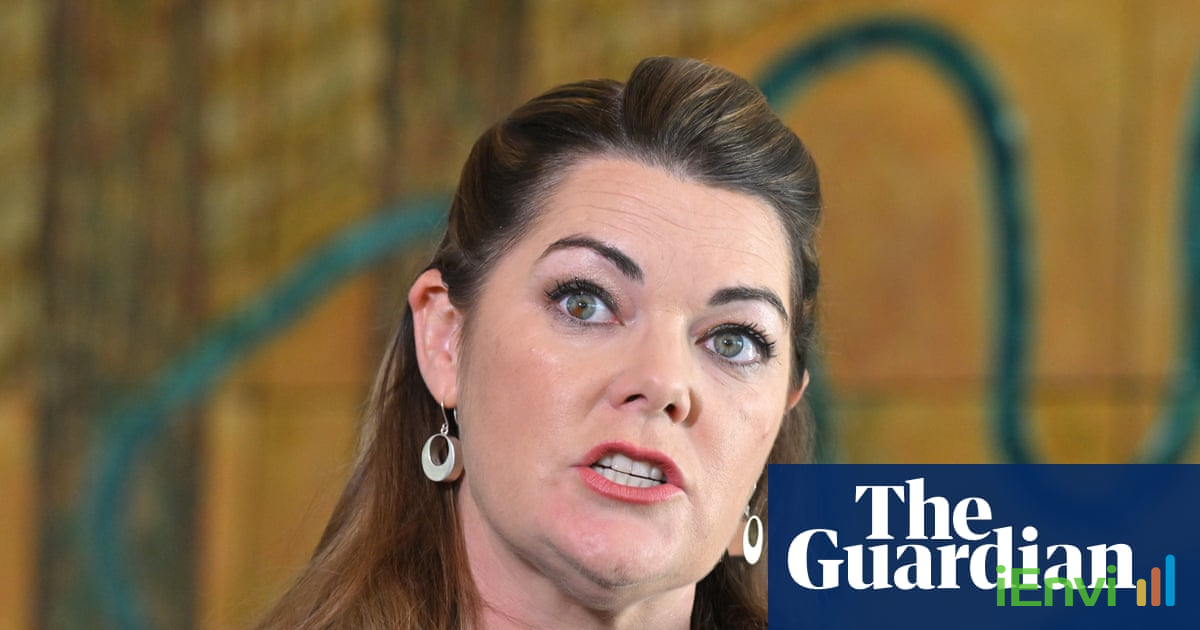
Australian federal politics took a sharp turn on AI infrastructure in late June 2026, with two crossbench senators placing the resource demands of data centres squarely at the centre of national policy debate. Greens Senator Sarah Hanson-Young, who chairs the Parliamentary Inquiry into AI and Data Centres, called for an immediate moratorium on the construction and approval of new data centres in Australia until the country’s regulatory frameworks are brought up to the task. Her warning that Australia is “sleepwalking into an AI crisis” was paired with a pointed critique of what she described as a “tech bro free-for-all” in which international technology companies are being permitted to draw on Australian power and water supplies without adequate scrutiny or return to the public.
At the same time, independent Senator David Pocock moved on a separate but related front, urging the Albanese government to prevent international technology firms from using Australian creative content to train their AI models without providing fair compensation to content creators. The two positions, while distinct in their legal and regulatory targets, share a common thread: a view that Australia’s existing frameworks are not keeping pace with the pace of AI infrastructure deployment, and that the cost of that gap is being borne by Australian communities, creative industries, and energy systems.
For developers, infrastructure planners, in-house counsel, and environmental consultants, this political moment represents more than rhetoric. It signals a probable tightening of the approval environment for data centre projects across Australia, with energy consumption, water use, and grid capacity now emerging as substantive political and regulatory flashpoints rather than purely technical engineering considerations.
Key details of the moratorium push and Cabinet division
The moratorium call from Senator Hanson-Young is grounded in specific concerns about the scale of proposed data centre projects. Proponents of the freeze have pointed to a newly proposed Victorian data centre development that is reportedly designed to draw more power than the state’s largest coal-fired power station. While the precise megawatt figures for that specific project have not been publicly confirmed in detail, the framing makes clear that the power requirements being discussed are in the hundreds of megawatts range, placing these facilities in the same tier as major industrial infrastructure from a grid-demand perspective.
Water consumption is the second axis of concern. Large-scale data centres typically rely on evaporative cooling systems that can consume millions of litres of water per day depending on facility size, climate zone, and cooling technology. In the context of Australia’s variable rainfall, existing water stress in key catchments, and the compounding pressures of climate change on surface water availability, the prospect of approving multiple high-demand facilities without binding water-use conditions is generating legitimate concern among environmental and infrastructure professionals.
At the federal level, the policy debate is complicated by a reported split within Cabinet. The Department of Industry, Science and Resources and the Attorney-General’s Department are understood to be on different sides of a key question: whether to grant copyright exemptions to AI companies in exchange for commitments to invest in local data centre infrastructure, or to enforce a licensing framework that would require AI firms to pay content creators for the use of their material in model training. This is not a theoretical disagreement. The outcome will directly shape the commercial model under which AI companies operate in Australia, and will influence whether domestic or international firms gain a structural advantage in deploying large language models trained on Australian data.
Senator Pocock’s intervention on copyright adds a further layer of complexity. His position, reported by The Guardian on 23 June 2026, is that the federal government should act to stop international technology companies from scraping and using Australian creative content for AI training purposes without compensation. This aligns with movements in other jurisdictions, including the European Union’s approach under the AI Act and ongoing litigation in the United States over training data sourcing, and signals that Australia may be approaching a similar inflection point on intellectual property and AI.
Australian regulatory context and infrastructure approval frameworks
Australia does not currently have a national regulatory framework specifically designed to manage the cumulative resource impacts of data centre development. Planning and environmental approvals for these facilities are handled at the state level under individual state planning legislation, with environmental impact assessment requirements triggered by facility size, location, and the nature of associated infrastructure. In practice, this means a proposed data centre in Victoria is assessed under the Environment Effects Act 1978 and the Planning and Environment Act 1987, while a comparable facility in New South Wales would be subject to the Environmental Planning and Assessment Act 1979, potentially as State Significant Development depending on capital investment thresholds and infrastructure requirements.
The absence of a federal-level framework for assessing the cumulative environmental footprint of data centre rollouts is a genuine regulatory gap. The Environment Protection and Biodiversity Conservation Act 1999 (EPBC Act) can be triggered if a proposal impacts a matter of national environmental significance, but energy consumption and water drawdown from municipal or catchment supplies do not automatically constitute EPBC triggers in most circumstances. The result is that individual facility approvals are assessed in isolation without a coordinated national overview.
References and related sources
- Primary source: www.theguardian.com
- elizabethwatsonbrown.com
- theguardian.com
- theguardian.com
How iEnvi can help
iEnvi integrates technology and data-driven approaches into environmental consulting. We monitor AI and technology developments that affect how environmental professionals deliver services to clients.
This is an iEnvi Machete news summary. Prepared by iEnvi to summarise the source article for environmental professionals tracking AI, data, and technology developments that affect consulting and project delivery.
Published: 28 Jun 2026
Need advice on this topic? Speak to an iEnvi expert at info@ienvi.com.au or 1300 043 684, or contact us online.
Need advice on this issue? iEnvi provides practical, senior-led environmental consulting across contaminated land, remediation, ecology and environmental risk.