

Overview
A legal expert warning published on 24 June 2024 has sharpened the focus on a trend that has been building in Australian environmental and waste law for several years: regulators are increasingly willing to bypass corporate structures and pursue individuals directly. Gavin Shapiro, Partner at Hones Lawyers, has cautioned that personal prosecution under strict liability frameworks is expanding well beyond formally appointed directors to capture managers, supervisors, and public sector executives, including council General Managers. The message is unambiguous. A job title alone does not determine liability, and an organisation cannot contract out of its environmental obligations by delegating work to a third-party contractor.
For environmental consultants, site owners, developers, and in-house counsel, this development reframes a conversation that has too often been treated as a legal formality. The question is no longer simply whether a company holds the correct licences or has engaged a competent contractor. The question is whether the individuals who exercise day-to-day control over a site, a remediation programme, or a waste transport operation have established and maintained a documented, audited due diligence framework that would survive scrutiny in court. Informal oversight, general awareness of a compliance system, or reliance on a contractor’s assurances will not meet that threshold.
The timing is significant. The PFAS National Environmental Management Plan 3.0 (PFAS NEMP 3.0) was published in March 2025, introducing updated investigation and remediation criteria that have already altered the scope of site assessment obligations. As regulatory standards tighten and the range of contaminants under active management expands, the likelihood of inadvertent non-compliance increases, and the pool of individuals exposed to personal liability grows with it.
Key details of expanding personal liability under Australian environmental law
The strict liability framework that governs most environmental offences in Australia is the critical technical detail that distinguishes environmental law from many other regulatory domains. Under a strict liability model, the prosecution is not required to establish that the accused intended to cause harm, was reckless, or was even negligent. Proof of the act or omission causing the environmental harm is, in most circumstances, sufficient to establish the offence. The defendant must then affirmatively demonstrate that they took all reasonable steps to prevent the breach. This reversal of the conventional burden places an exceptionally high operational demand on organisations and the individuals within them.
Under the Protection of the Environment Operations Act 1997 (NSW), executive liability provisions allow individuals to be prosecuted for corporate environmental offences. Section 64 creates strict liability for breaches of environment protection licence conditions, and the executive liability provisions extend personal exposure to any officer of a corporation who was in a position to influence the conduct giving rise to the offence. Critically, “officer” in this context is interpreted broadly and is not confined to formally appointed board directors. A project manager overseeing a contaminated land remediation, a site supervisor directing waste contractors, or a council General Manager with responsibility for a landfill operation may all fall within the scope of these provisions. Victoria’s Environment Protection Act 2017 takes a similar approach through its General Environmental Duty, which imposes a positive obligation on any person conducting activities that may give rise to risks of harm to human health or the environment to understand those risks and take reasonably practicable steps to minimise them. Officer liability provisions under that Act mirror the NSW approach in their practical effect.
The threshold for a successful due diligence defence is not met by passive governance. Organisations must establish compliance systems that are documented, actively implemented, regularly audited, and demonstrably aligned with current technical standards. Those standards include the National Environment Protection (Assessment of Site Contamination) Measure 2013 (NEPM 2013), which sets the national framework for site assessment methodology, health investigation levels, and ecological investigation levels. They also include the PFAS NEMP 3.0 (March 2025), which updated screening levels, investigation criteria, and remediation guidance for per- and polyfluoroalkyl substances. The Australian and New Zealand Guidelines for Fresh and Marine Water Quality (ANZG 2018) remain the reference point for surface water and groundwater quality assessment in the context of ecological risk.
Contractor accountability is a specific area where organisations consistently underestimate their exposure. If an organisation holds the environment protection licence or exercises operational control over the site, it retains primary legal responsibility for contractor actions. A subcontractor spilling a hazardous material during an excavation, a waste transporter misclassifying a load, or a remediation contractor failing to implement dust suppression measures adequately are all scenarios where personal liability can flow back to the individual within the principal organisation who had oversight responsibility, regardless of what the services contract says. Contractual indemnities may offer some recovery in civil proceedings, but they provide no defence against criminal prosecution under environmental legislation.
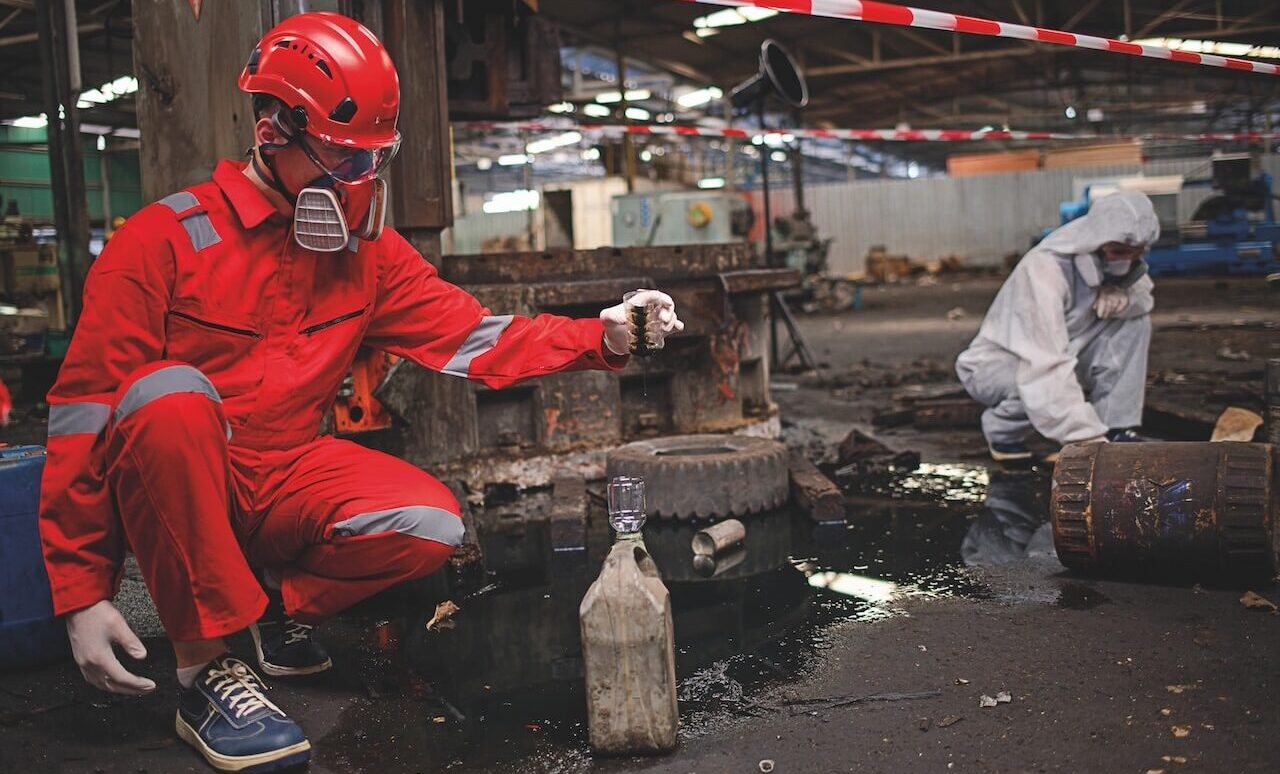
Australian context: how strict liability and the General Environmental Duty apply across jurisdictions
The legislative architecture for personal liability varies across Australian jurisdictions, but the directional trend is consistent. In New South Wales, the Protection of the Environment Operations Act 1997 remains the primary instrument, with its executive liability provisions and strict liability offences forming the backbone of regulatory enforcement. The EPA NSW has demonstrated a sustained willingness to prosecute individuals, not merely corporations, where the evidence supports it.
References and related sources
- Primary source: wastemanagementreview.com.au
- minterellison.com
- legal500.com
- PFAS National Environmental Management Plan (NEMP)
How iEnvi can help
iEnvi provides specialist consulting services relevant to this topic. Our team includes CEnvP Site Contamination Specialists with experience across contaminated land, groundwater, remediation, ecology, and regulatory compliance.
- iEnvi contaminated land services
- iEnvi remediation services
- iEnvi expert services and independent review services
This is an iEnvi Machete news summary. Prepared by iEnvi to summarise the source article for contaminated land, groundwater, remediation, approvals and site risk professionals.
Published: 28 Jun 2026
Need advice on this topic? Speak to an iEnvi expert at info@ienvi.com.au or 1300 043 684, or contact us online.
Need advice on this issue? iEnvi provides practical, senior-led environmental consulting across contaminated land, remediation, ecology and environmental risk.
Team credentials Environmental management plans Contaminated land advice Remediation services Talk to iEnvi