
Overview
A comprehensive study by the Dutch National Institute for Public Health and the Environment (RIVM) has confirmed widespread PFAS contamination in backyard chicken eggs across the Netherlands. The findings demonstrate that even where primary exposure pathways such as groundwater and drinking water remain unaffected, secondary pathways involving soil-to-invertebrate-to-poultry bioaccumulation can result in unacceptable human health exposure levels. For Australian environmental practitioners, this research has direct implications for how we assess residential land with low-level PFAS soil contamination, particularly on peri-urban sites where backyard poultry keeping is common.
Key details
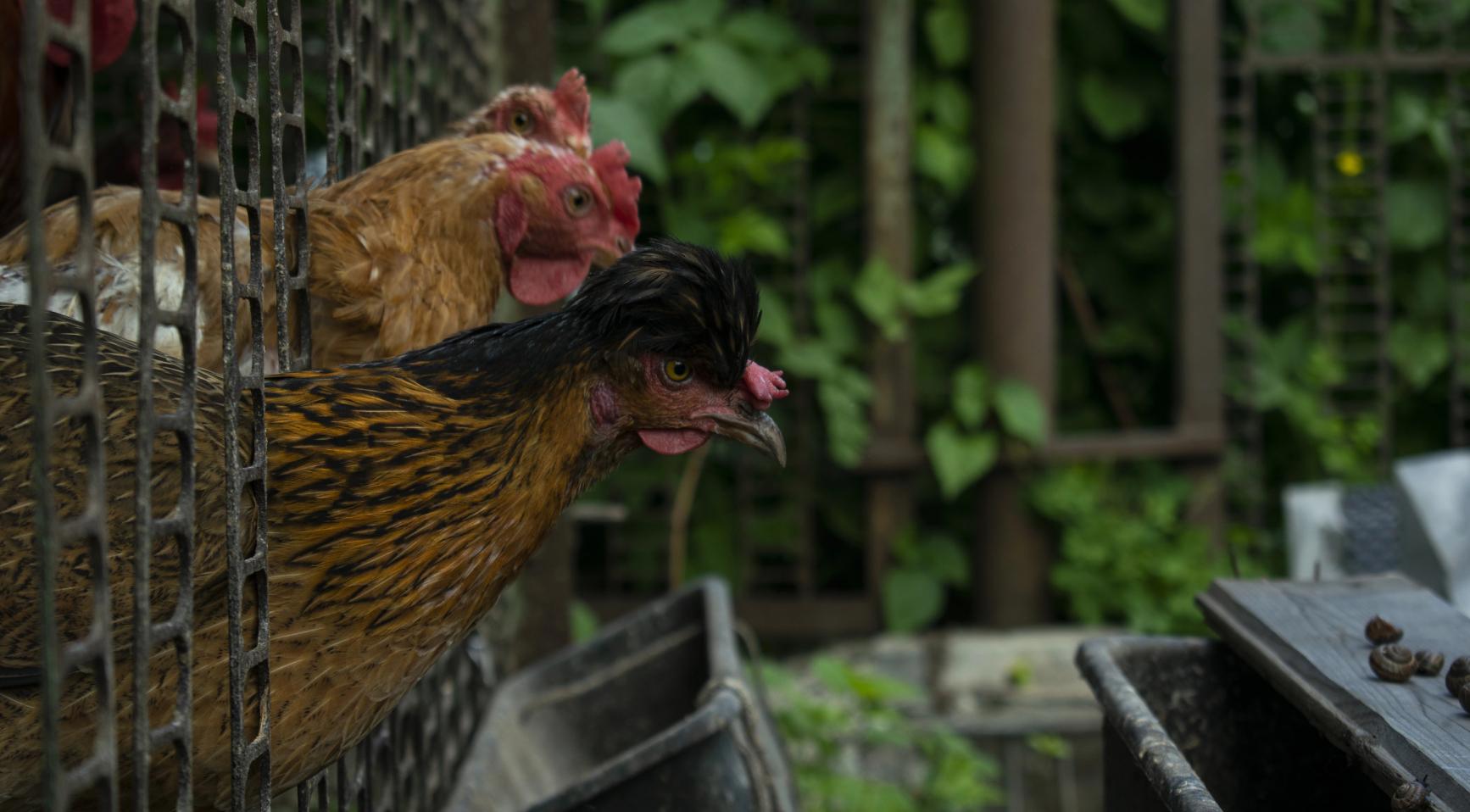
The RIVM study analysed eggs from backyard chickens across multiple regions of the Netherlands, finding PFAS concentrations that exceeded European food safety thresholds in a significant proportion of samples. The contamination pathway is straightforward but often overlooked in site assessments: chickens forage on soil and consume earthworms and other soil invertebrates that have bioaccumulated PFAS from contaminated ground. The resulting concentrations in eggs can exceed safe consumption levels even where soil PFAS concentrations sit below residential screening criteria.
The key technical finding is that bioaccumulation through the soil-invertebrate-poultry pathway can amplify low-level soil contamination to produce human dietary exposure that exceeds tolerable daily intake thresholds. This occurs independently of groundwater contamination. A site could pass all standard soil and groundwater screening criteria for residential use while still presenting an unacceptable risk through this secondary pathway.
The study also highlights that PFAS contamination in eggs is not limited to areas near known point sources such as industrial facilities or firefighting training grounds. Diffuse source contamination from biosolids application, irrigation with recycled water, and atmospheric deposition can create low-level, widespread soil impacts sufficient to trigger the bioaccumulation pathway.
Australian context
Under the National Environment Protection (Assessment of Site Contamination) Measure 2013 (NEPM), Schedule B4 requires the development of conceptual site models that identify all potential exposure pathways. The soil-to-invertebrate-to-poultry-to-human pathway is not routinely included in standard residential risk assessments in Australia, despite backyard poultry keeping being widespread in suburban and peri-urban areas.
The PFAS National Environmental Management Plan (NEMP 3.0) provides guidance on assessing diffuse source contamination and establishing background concentrations. However, current practice often focuses on the primary pathways of direct soil contact, soil ingestion, groundwater use and vapour intrusion. The Dutch data suggests this approach may leave a gap in our assessment framework.
As Australian cities expand and former agricultural, industrial and defence land is rezoned for residential development, the potential for residents to keep poultry on PFAS-impacted soil increases. Local councils in areas such as Western Sydney, South East Queensland and the Adelaide Plains are actively encouraging urban agriculture, including backyard chickens, as part of sustainability initiatives. This policy direction directly intersects with the contamination risk identified by the RIVM study.
Practical implications
- Site assessors should consider including the poultry bioaccumulation pathway in conceptual site models for residential land, particularly in peri-urban areas where backyard chicken keeping is permitted and common.
- Risk assessors may need to apply site-specific Human Health Risk Assessments rather than relying solely on generic screening criteria for PFAS-impacted residential sites where poultry keeping is likely.
- Developers of former agricultural and industrial land should consider whether environmental management plans need to include formal advice against ground-foraging poultry or requirements for raised coops with clean imported soil.
- Local councils rezoning land for residential use should incorporate PFAS screening into their planning assessments, particularly where the site has a history of biosolids application, recycled water use, or proximity to known PFAS sources.
- Contaminated land auditors should evaluate whether existing site audit reports adequately address secondary exposure pathways including the poultry bioaccumulation route.
References and related sources
Original source: NL Times
Source published: 16 March 2026
Added to Enviro News: 17 March 2026
Read the primary source article at NL Times
Related framework: NEPM (Assessment of Site Contamination) Measure 2013
How iEnvi can help
iEnvi provides specialist contaminated land assessment services including PFAS site investigations, human health risk assessments and conceptual site model development. Our team can assess secondary exposure pathways and develop practical environmental management plans for residential developments on PFAS-impacted land. We also assist developers and councils with remediation strategies tailored to the specific risk profile of each site.
This is an iEnvi Machete news summary. Prepared by iEnvi to summarise the source article for contaminated land, groundwater, remediation, approvals and site risk professionals.
Need advice on this topic? Speak to an iEnvi expert at info@ienvi.com.au or 1300 043 684, or contact us online.
Need advice on this issue? iEnvi provides practical, senior-led environmental consulting across contaminated land, remediation, ecology and environmental risk.
Contamination risk assessment Environmental management plans Contaminated land advice Remediation services Talk to iEnvi