
Overview
The NSW Land and Environment Court has fined the Forestry Corporation of NSW $450,000 for illegally logging giant and hollow-bearing trees in the Wild Cattle Creek State Forest. The prosecution, brought by the NSW Environment Protection Authority (EPA), marks a significant enforcement action that extends beyond standard financial penalties. A restorative justice conference was mandated as part of the outcome, requiring direct dialogue between the offender and affected communities, including Traditional Owners.
For environmental professionals, the case signals an evolution in how ecological compliance breaches are handled in New South Wales. The combination of substantial fines and restorative justice mechanisms establishes a precedent that will influence how development approvals, ecological assessments and forestry operations are managed in sensitive environments.
Key details
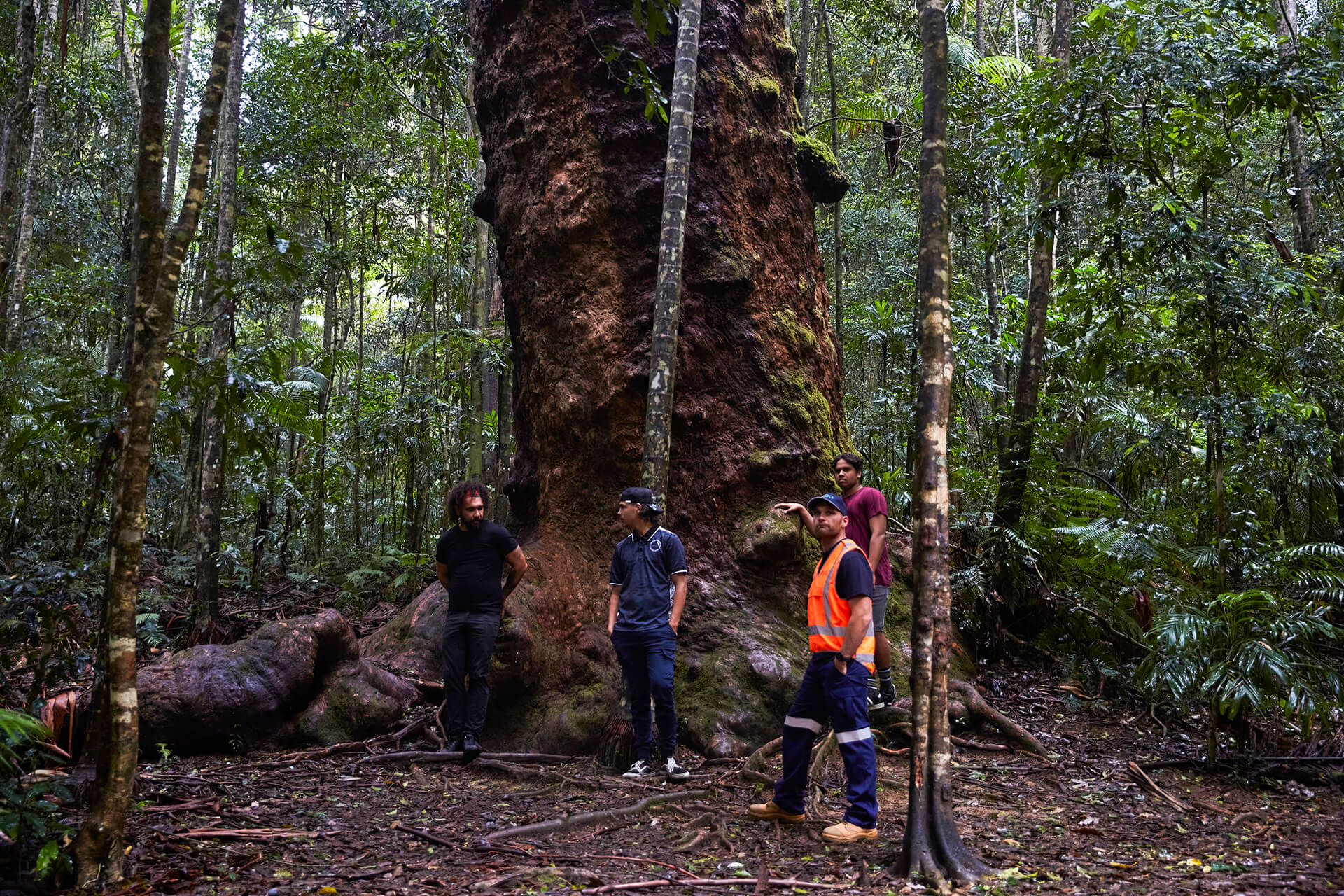
The prosecution centred on the removal of six giant trees and three hollow-bearing trees during harvesting operations in mid-2020. Giant trees and hollow-bearing trees are protected under the Integrated Forestry Operations Approval (IFOA) due to their ecological function in supporting endangered species, including koalas and greater gliders. Hollow-bearing trees in particular provide critical nesting and roosting habitat that takes decades to develop naturally.
The site falls within the footprint of the proposed Great Koala National Park, an area subject to intense regulatory scrutiny and public interest. The NSW EPA utilised a restorative justice conference as part of the enforcement outcome. This approach moves beyond standard monetary penalties to mandate direct engagement between the Forestry Corporation and affected stakeholders, including Gumbaynggirr Traditional Owners.
The $450,000 fine, while significant, may be less impactful than the precedent set by the restorative justice component. This mechanism requires the offending party to hear directly from those harmed by the breach and to commit to specific remedial actions beyond what a court order alone would mandate.
Australian context
This case sits within a broader pattern of increasing enforcement action against ecological compliance breaches across Australia. State EPAs are demonstrating a willingness to prosecute government-owned entities with the same vigour applied to private operators. The Biodiversity Conservation Act 2016 (NSW) and the associated Biodiversity Offsets Scheme create a regulatory framework where the value of ecological features is quantifiable, making compliance failures easier to prosecute.
In Queensland, the Environmental Protection Act 1994 and the Nature Conservation Act 1992 impose similar protections for significant habitat trees. Victorian practitioners operate under the Flora and Fauna Guarantee Act 1988. Across all jurisdictions, the trend is towards stricter enforcement and higher penalties for ecological breaches.
The introduction of restorative justice into environmental enforcement is particularly notable. This mechanism, more commonly associated with criminal justice reform, adds a layer of accountability that extends beyond the financial. Environmental practitioners should anticipate its broader application in future enforcement actions.
Practical implications
- Ecological assessments for forestry, development and infrastructure projects must rigorously identify and map giant trees, hollow-bearing trees and other protected habitat features before any clearing commences.
- Compliance monitoring during clearing operations should include real-time oversight by qualified ecologists to prevent inadvertent breaches.
- Environmental impact statements and species impact statements should explicitly address the risk of prosecution and restorative justice outcomes when assessing impacts on protected ecological features.
- Project proponents should factor cultural harm and community engagement into their risk assessments. The restorative justice precedent means that compliance failures can trigger obligations beyond financial penalties.
- Legal teams advising on environmental compliance should prepare for restorative justice mechanisms becoming a standard component of enforcement outcomes in NSW and potentially other jurisdictions.
References and related sources
Original source: NSW Environment Protection Authority
Source published: 17 March 2026
Added to Enviro News: 17 March 2026
Read the primary source article at the NSW EPA
How iEnvi can help
iEnvi provides specialist ecology services including pre-clearance surveys, habitat tree identification, species impact assessments and compliance monitoring for forestry, development and infrastructure projects. Our ecologists work across NSW, Queensland, Victoria and South Australia to help project proponents meet their regulatory obligations and avoid costly enforcement actions. We also offer expert witness services for environmental prosecution and defence matters.
This is an iEnvi Machete news summary. Prepared by iEnvi to summarise the source article for contaminated land, groundwater, remediation, approvals and site risk professionals.
Need advice on this topic? Speak to an iEnvi expert at info@ienvi.com.au or 1300 043 684, or contact us online.
Need advice on this issue? iEnvi provides practical, senior-led environmental consulting across contaminated land, remediation, ecology and environmental risk.
Flora and fauna assessment Contaminated land services Remediation services Groundwater services Talk to iEnvi