
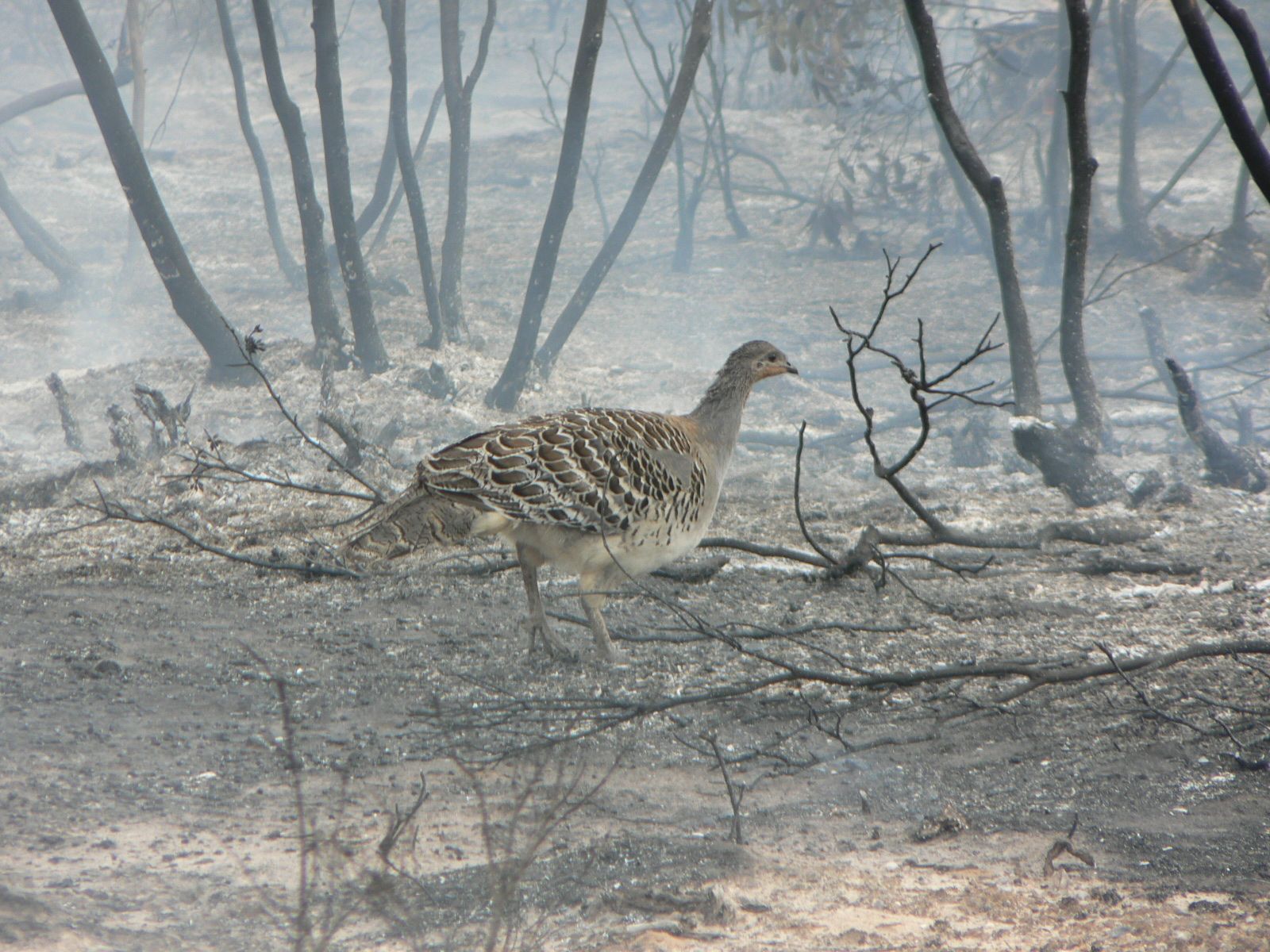
Critique of Australia’s UN Biodiversity Report
The Australian Government’s first progress report to the United Nations under the Kunming-Montreal Global Biodiversity Framework (GBF) of the Convention on Biological Diversity (CBD) has met with sharp resistance from the nation’s scientific community. In December 2024, the Biodiversity Council, an independent expert organisation founded by 11 Australian universities, released a highly critical analysis of the government’s 261-page submission. The council characterised the document as an optimistic narrative driven by public relations rather than empirical ecological data, arguing that the self-assessment overstates progress while the actual state of Australian biodiversity continues to deteriorate.
For environmental practitioners, legal advisors, and project developers, this public disagreement highlights a growing systemic risk. The friction between high-level policy commitments and on-ground ecological performance is intensifying. When peak scientific bodies challenge official government progress reports, it signals an impending correction in how environmental laws are administered and enforced on the ground. This development indicates that the regulatory landscape is shifting from passive administrative compliance to rigorous, evidence-based scrutiny of actual ecological outcomes.
Australia’s commitment to the nature-positive framework is undergoing intense scrutiny. This tension directly impacts the planning approvals pipeline, native vegetation management, and corporate environmental reporting. As the government continues to advance its Environment Protection and Biodiversity Conservation Act 1999 (EPBC Act) reforms and moves to establish a national Environment Protection Agency, developers must prepare for a transition towards empirical, evidence-led compliance that cannot be bypassed with administrative box-ticking.
How Biodiversity Progress is Measured under the GBF
At the core of the dispute is how progress is measured and reported against the international targets established under the Global Biodiversity Framework. The federal government’s self-assessment claimed substantial progress towards several key indicators. Specifically, under Target 3, which mandates the protection of at least 30 percent of terrestrial and marine systems globally by 2030, the government reported that Australia is well on its way, citing protection figures of 25 percent of the country’s land area and 52 percent of its marine jurisdictions. However, environmental policy experts from the Australian National University (ANU) and the Biodiversity Council have challenged these aggregated figures, pointing out that they obscure severe regional deficiencies.
The scientific critique focuses on three critical parameters that aggregated percentages ignore: ecological representation, ecological connectivity, and active management. While large swathes of arid desert or deep marine environments are designated as protected, highly biodiverse coastal zones, temperate woodlands, and fertile grasslands remain under-represented and highly fragmented. Without sufficient ecological connectivity, isolated reserves cannot support viable populations of threatened species over the long term. Furthermore, many designated conservation zones lack the active, funded management required to control invasive species and feral predators, meaning that protected status does not automatically equate to ecological recovery.
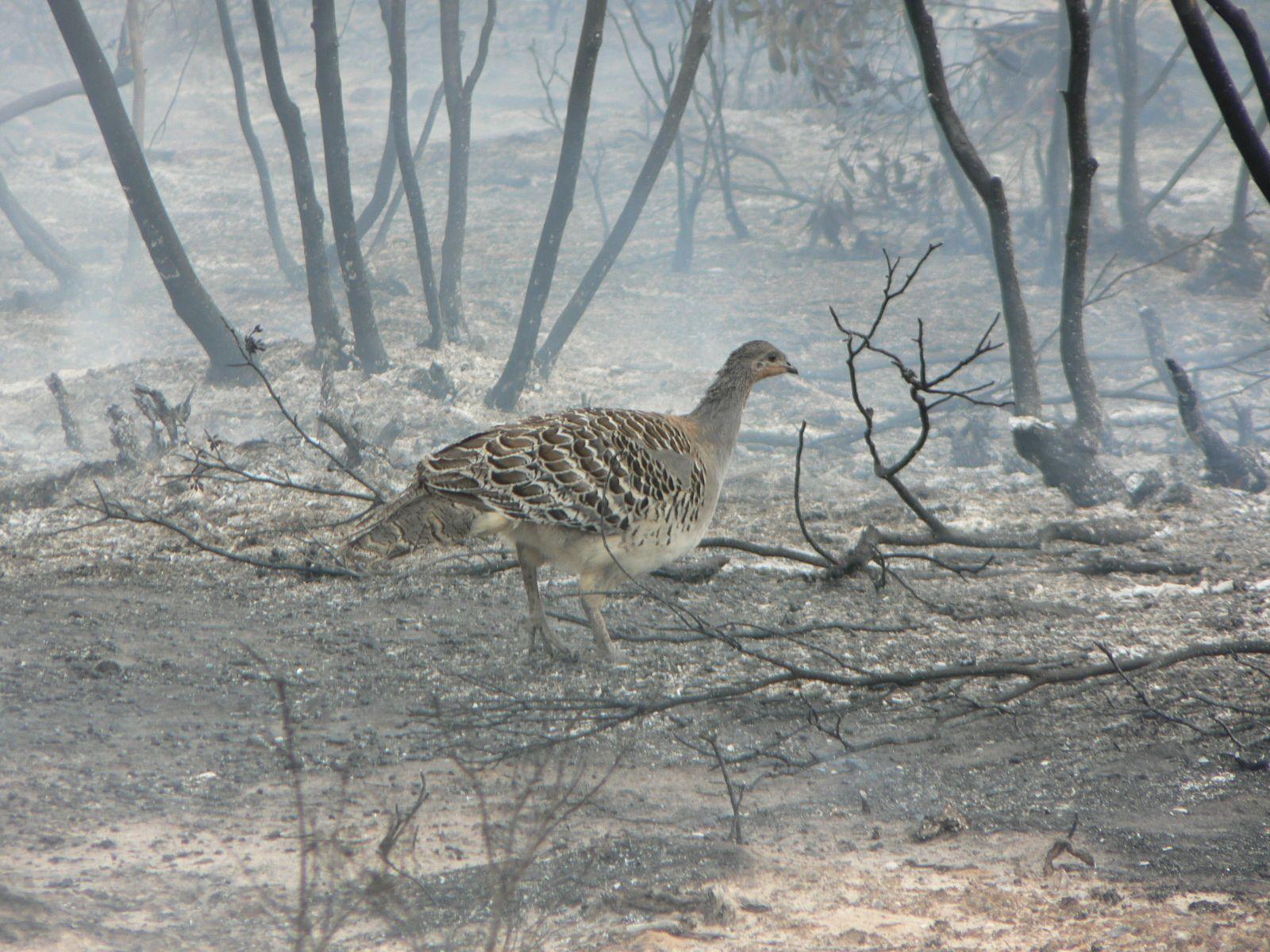
This methodological gap is further highlighted by the status of threatened species. Currently, there are 2,208 threatened species listed under the Commonwealth EPBC Act. Despite this growing list, the Biodiversity Council noted that the government’s progress report frequently self-assessed targets as being on track based solely on the intent to draft future strategies, policies, or administrative frameworks, rather than demonstrating actual physical improvements in species populations or habitat quality on the ground. This practice of treating administrative milestones as ecological progress is a major point of contention for scientists who demand empirical, quantitative validation of environmental recovery.
The critique points out that policy promises do not equal ecological recovery. The Biodiversity Council’s insistence on empirical data highlights a major shift in how ecological performance must be reported. Relying on plans, draft strategies, or future intentions to offset habitat loss will no longer satisfy international or domestic scientific scrutiny.
Implications for State Environmental Planning
This debate at the federal level has immediate parallel implications for state-based environmental planning and regulatory frameworks across Australia. In New South Wales, the Biodiversity Conservation Act 2016 and its associated Biodiversity Offsets Scheme (BOS) require developers to calculate and offset ecological impacts using the Biodiversity Assessment Method (BAM). In Queensland, the Environmental Offsets Act 2014 and the Nature Conservation Act 1992 govern the mitigation of environmental impacts, while Victoria enforces strict rules under its planning schemes for the removal of native vegetation. South Australia similarly regulates native vegetation clearances under the Native Vegetation Act 1991.
The scientific criticism of federal reporting practices is expected to accelerate reforms already underway, including the transition towards a new federal Environment Protection Agency and comprehensive updates to the EPBC Act. As federal oversight tightens, state regulators and local government planning authorities are likely to adopt a more conservative application of the precautionary principle. This will manifest as increased skepticism towards development proposals that rely on simplified biodiversity offset strategies. Proponents can expect state EPAs to align their expectations with the scientific consensus, demanding that biodiversity assessments move beyond baseline administrative compliance to demonstrate genuine, quantifiable ecological outcomes.
References and related sources
- Primary source: biodiversitycouncil.org.au
- EPBC Act
How iEnvi can help
iEnvi provides specialist consulting services relevant to this topic. Our team includes CEnvP Site Contamination Specialists with experience across contaminated land, groundwater, remediation, ecology, and regulatory compliance.
- iEnvi site assessment services
- iEnvi remediation and validation services
- iEnvi expert services and independent review services
This is an iEnvi Machete news summary. Prepared by iEnvi to summarise the source article for contaminated land, groundwater, remediation, approvals and site risk professionals.
Published: 17 Jun 2026
Need advice on this topic? Speak to an iEnvi expert at info@ienvi.com.au or 1300 043 684, or contact us online.
Need advice on this issue? iEnvi provides practical, senior-led environmental consulting across contaminated land, remediation, ecology and environmental risk.
Team credentials Contaminated land services Remediation services Groundwater services Talk to iEnvi