
Overview
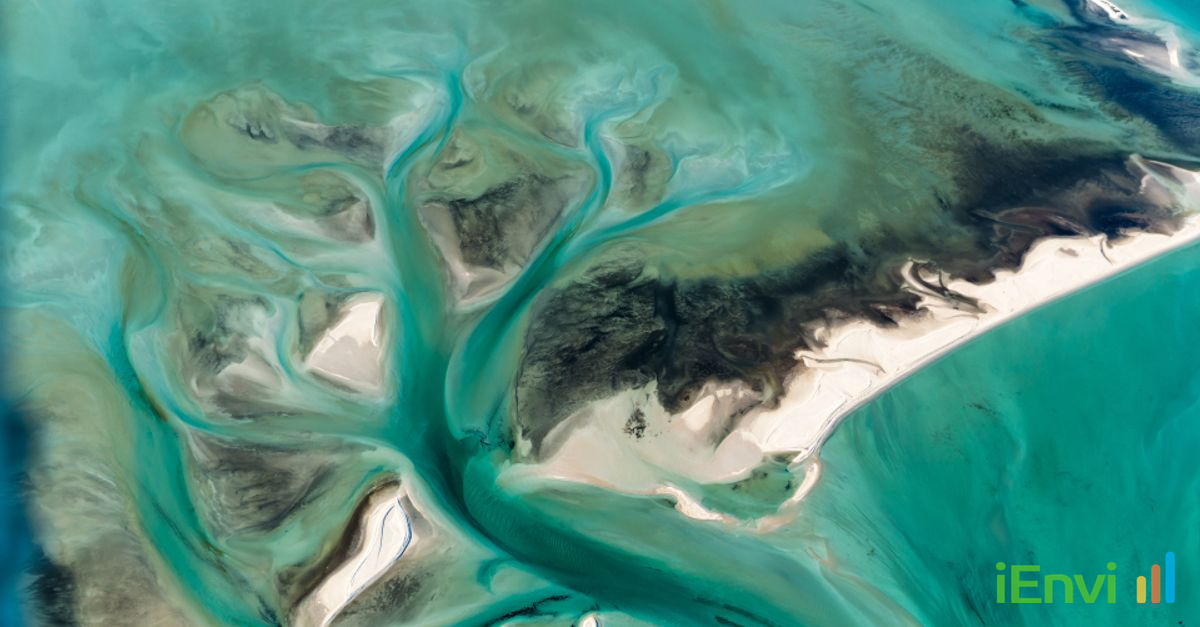
A large-scale ecological restoration project in Shark Bay, Western Australia, is demonstrating how Indigenous-led environmental management can integrate with emerging biodiversity offset and carbon credit markets. The project, which involves the restoration of Posidonia australis seagrass meadows (recognised as Earth’s largest known single organism), combines Traditional Ecological Knowledge with commercial environmental market mechanisms. Led by Malgana Traditional Owners in partnership with Conservation International and research institutions, the project provides a practical model for how nature-positive development and biodiversity offset requirements can be delivered through culturally grounded, ecologically sound restoration programs.
Key details
The Shark Bay restoration project centres on the recovery of Posidonia australis seagrass meadows, which suffered significant dieback following an unprecedented marine heatwave in 2010-2011. The heatwave, linked to climate change, destroyed approximately 36 per cent of the seagrass coverage in Shark Bay, a UNESCO World Heritage Area.
Key elements of the project include:
- Sea cucumber reintroduction: The project uses the natural bioturbation function of sea cucumbers to improve sediment oxygenation and nutrient cycling, creating conditions that accelerate Posidonia australis rhizome extension and seagrass recovery
- Traditional Ecological Knowledge: Malgana Traditional Owners lead the on-ground restoration work, applying generations of ecological knowledge to guide species selection, site prioritisation, and seasonal timing of interventions
- Blue carbon crediting potential: The restored seagrass meadows sequester significant quantities of carbon in sediments, creating the potential for blue carbon credit generation under Emissions Reduction Fund (ERF) methodologies
- Biodiversity offset alignment: The project’s measurable ecological outcomes position it as a potential source of high-integrity biodiversity offsets for developers and infrastructure proponents facing offset obligations under the EPBC Act
The dual-benefit model, combining biodiversity restoration with carbon sequestration and commercial market revenue, represents a shift from pure compliance expenditure to active participation in natural capital markets.
Australian context
Australia’s environmental regulatory landscape is undergoing rapid change. The proposed reforms to the Environment Protection and Biodiversity Conservation Act 1999 (EPBC Act), the establishment of Environment Information Australia, and the growing emphasis on nature-positive development are all driving demand for high-integrity biodiversity offsets and ecological restoration programs.
Current offset markets often face criticism for poor ecological outcomes. Concerns around “paper offsets” that fail to deliver genuine biodiversity gains have prompted regulators and investors to seek projects with demonstrated, measurable results. The Shark Bay project addresses this gap by integrating rigorous ecological monitoring with quantifiable restoration metrics.
Western Australia’s unique ecological assets, including World Heritage-listed marine environments, present both challenges and opportunities for environmental market development. The integration of Indigenous land and sea management with formal environmental accounting frameworks is an emerging area of practice that has implications for projects across northern and coastal Australia.
The project also aligns with the Kunming-Montreal Global Biodiversity Framework (Target 3: 30×30), which requires signatory nations, including Australia, to conserve 30 per cent of land and sea areas by 2030. Indigenous-led conservation and restoration programs are increasingly recognised as essential to meeting this target.
Practical implications
For environmental consultants, developers, and project proponents, this project highlights several practical considerations:
- Biodiversity offset quality is under increasing scrutiny. Regulators, investors, and community stakeholders are demanding offsets that deliver genuine ecological outcomes. Projects that can demonstrate measurable restoration metrics and long-term ecological monitoring will be preferred over land-banking or passive management approaches.
- Blue carbon and biodiversity markets are converging. Projects that deliver both carbon sequestration and biodiversity restoration can access multiple revenue streams, improving the economic viability of large-scale restoration. Consultants should advise clients on how to structure projects to capture value across carbon, biodiversity, and natural capital markets.
- Indigenous partnership is a practical and regulatory imperative. The successful integration of Traditional Ecological Knowledge into formal environmental management frameworks is not just culturally appropriate but increasingly expected by regulators and funding bodies. Early and genuine engagement with Traditional Owners is essential for projects in regions with Native Title or Indigenous Land Use Agreements.
- Marine restoration is scaling up. Seagrass, mangrove, and coastal wetland restoration projects are moving from pilot-scale research to commercially viable programs. Environmental professionals should develop expertise in marine and coastal ecology to service this growing market.
References and related sources
- Original source article (Conservation International)
- Shark Bay UNESCO World Heritage listing
- EPBC Act and proposed reforms (DCCEEW)
- Join the discussion on LinkedIn
How iEnvi can help
iEnvi delivers specialist environmental consulting services across ecology, biodiversity assessment, and environmental approvals. Our capabilities relevant to biodiversity offset and restoration projects include:
- Ecology services, including biodiversity assessments, ecological monitoring, and offset strategy development
- Contaminated land assessment for coastal and marine environments where legacy contamination interacts with ecological restoration objectives
- Remediation planning for degraded environments, integrating ecological restoration with contamination management
If your project involves biodiversity offsets, ecological restoration, or environmental approvals in sensitive environments, contact iEnvi for expert guidance.
This is an iEnvi Machete news summary. Prepared by iEnvi to summarise the source article for contaminated land, groundwater, remediation, approvals and site risk professionals.
Need advice on this topic? Speak to an iEnvi expert at info@ienvi.com.au or 1300 043 684, or contact us online.
Need advice on this issue? iEnvi provides practical, senior-led environmental consulting across contaminated land, remediation, ecology and environmental risk.
Contaminated land services Remediation services Groundwater services Ecological assessment Talk to iEnvi