
Overview
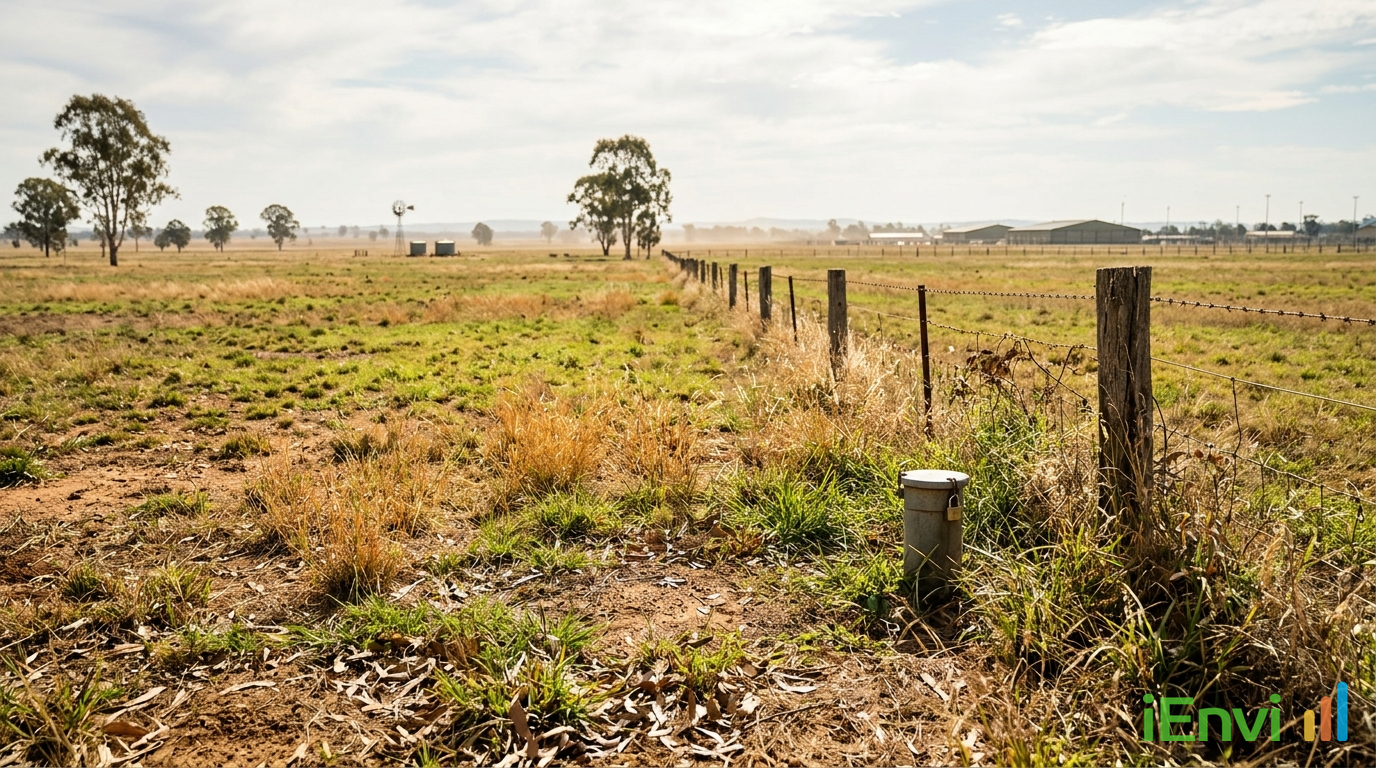
The Australian Government formally established the Oakey Working Group (OWG) on 17 November 2026. The group will steer PFAS remediation and land use responses around Swartz Barracks (Army Aviation Centre Oakey) on Queensland’s Darling Downs. It operates under the Commonwealth’s PFAS National Coordinating Body, and its first meeting is scheduled for December 2026. According to the ministerial media release, the OWG is the second site-specific coordination body established nationally. The first was the Williamtown Working Group in New South Wales, launched in late 2025.
The membership tells you where the group is likely to focus. Five local community members have been appointed: Braden Bullock, Jayne Thorpe, Darren and Anita Polzin, and Judy Byers. They sit alongside the Department of Defence, the Department of Agriculture, Fisheries and Forestry (DAFF), the Queensland Department of Environment, Tourism, Science and Innovation (DETSI), First Nations representatives and agricultural industry stakeholders. Defence has managed PFAS at Oakey for years. Agriculture and the state environmental regulator now share the table with it.
Several groups have a direct stake. Developers, landholders, lenders, conveyancing lawyers and councils in the Toowoomba region should expect the questions asked about PFAS-affected land around Oakey to change. The Commonwealth has framed the group as moving from containment and monitoring towards on-ground remediation and agricultural land recovery. That shift will affect what investigation data is considered adequate, how risk is characterised, and how land is valued and transacted.
Key details
The OWG responds to recommendations of the Commonwealth Independent Review of Land Uses Around Key Defence Bases Impacted by PFAS. According to the release, the group’s stated remit covers three areas:
- progressing local on-ground remediation pathways
- managing soil and groundwater impacts stemming from Swartz Barracks
- addressing agricultural market-access concerns for primary producers in the Darling Downs
The release describes the approach as co-designed with community, rather than set by Defence alone.
DAFF’s inclusion is the most technically significant feature of the membership. It brings the food chain into the formal governance of the site. Of the common PFAS, PFOS and PFHxS bioaccumulate more readily than PFOA. For agricultural land, the exposure pathways that matter therefore extend well beyond bore water ingestion. They include soil to pasture to livestock transfer, uptake into crops and home-grown produce, and residues in meat, milk and eggs. Dietary exposure in Australia is benchmarked against the Food Standards Australia New Zealand (FSANZ) tolerable daily intakes:
- 20 ng/kg bw/day for PFOS and PFHxS combined
- 160 ng/kg bw/day for PFOA
Water criteria have also tightened since much of the legacy Oakey data was collected. In 2025 the National Health and Medical Research Council revised the Australian Drinking Water Guidelines. The new health-based guideline values are:
- 0.008 µg/L for PFOS
- 0.03 µg/L for PFHxS
- 0.2 µg/L for PFOA
- 1 µg/L for PFBS
These replace the previous combined PFOS plus PFHxS value of 0.07 µg/L and the earlier PFOA value of 0.56 µg/L. A groundwater result that passed screening against the previous values may now exceed the revised criteria. For PFOS, a result just under the old combined value of 0.07 µg/L would be almost nine times the new PFOS value of 0.008 µg/L.
For soil, the PFAS National Environmental Management Plan (PFAS NEMP) 2.0, published by the Heads of EPAs Australia and New Zealand (HEPA), sets the human health investigation levels:
- PFOS plus PFHxS: 0.009 mg/kg for residential with garden or accessible soil, 1 mg/kg for public open space, and 20 mg/kg for commercial and industrial land
- PFOA: 0.1 mg/kg for residential with garden or accessible soil, 10 mg/kg for public open space, and 50 mg/kg for commercial and industrial land
The NEMP 2.0 ecological indirect exposure value for PFOS of 0.01 mg/kg is particularly relevant to grazing land. It is intended to protect organisms higher in the food chain, including livestock and wildlife exposed through secondary consumption. The NEMP has no dedicated agricultural land use category. For that reason, site-specific risk assessment under the National Environment Protection (Assessment of Site Contamination) Measure (NEPM 2013) remains the main tool for farm-scale decisions.
Australian context
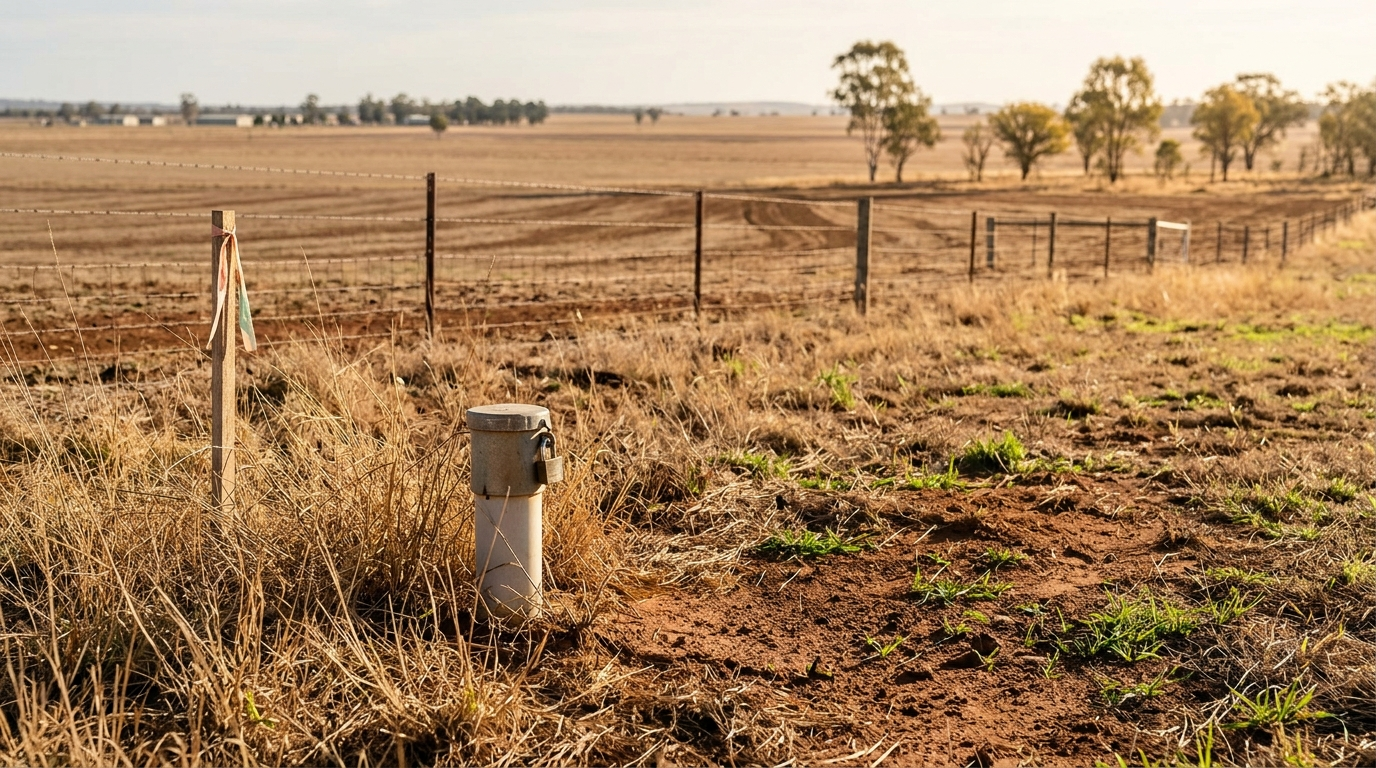
The OWG reflects a national governance model that the Commonwealth is now rolling out to Defence-affected communities. Williamtown came first in late 2025. Oakey is second. The common thread is tiered co-regulation: Commonwealth agencies, state regulators and community members working in one forum. This differs from the earlier approach, in which Defence led investigations and consulted the community periodically. Defence remains a member of the group and keeps its role at the site, but it now works alongside agriculture, the state regulator and the community. For practitioners, the decisions made at Oakey are likely to become reference points for any future working groups.
In Queensland, any on-ground remediation, soil movement, stockpiling, treatment or disposal will sit under the Environmental Protection Act 1994 (Qld), administered by DETSI. Several obligations and controls apply:
- The general environmental duty and the duty to notify environmental harm apply to contractors and landholders as well as to Defence.
- Off-base land may be considered for entry on the Environmental Management Register or Contaminated Land Register, depending on the risk profile.
- PFAS-impacted soil reuse and waste classification will follow the PFAS NEMP, read alongside Queensland’s own guidance.
What this means for landholders and practitioners
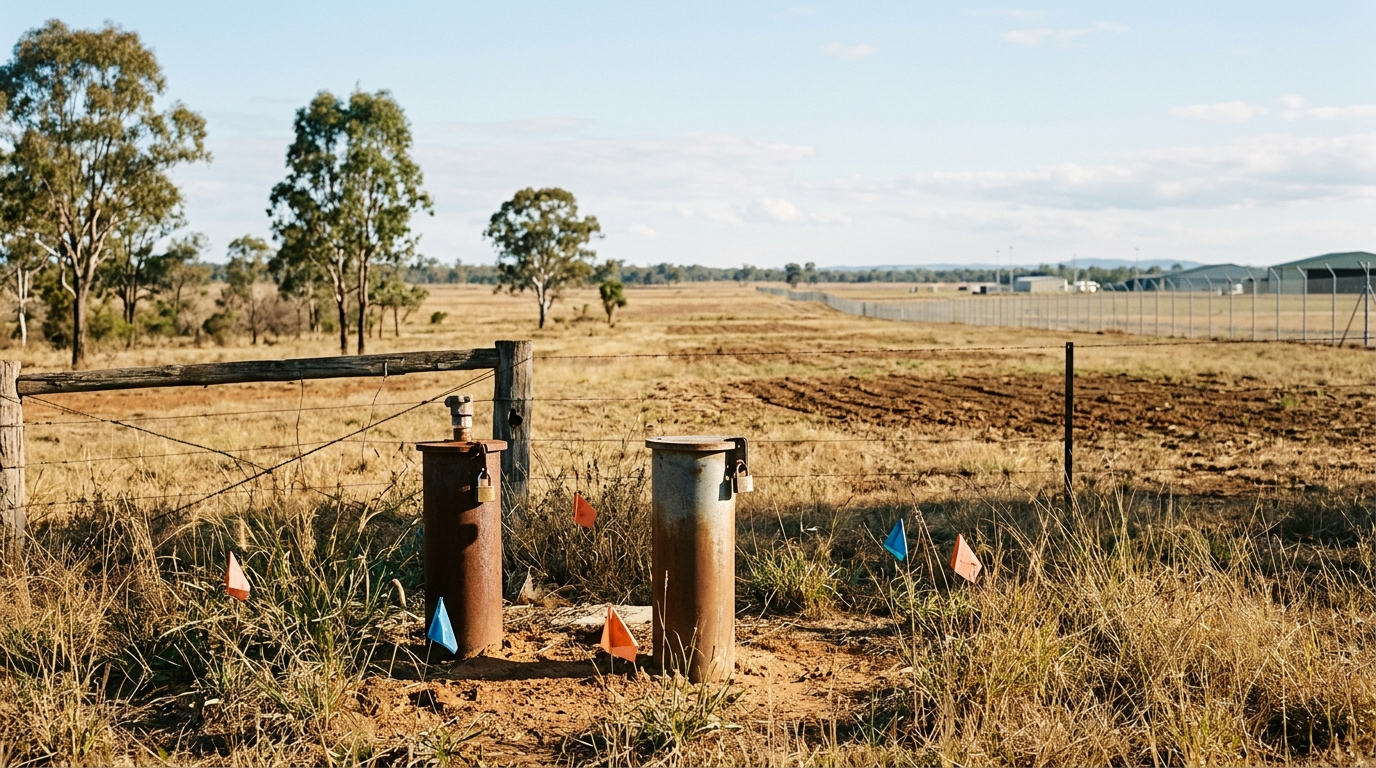
Anyone holding PFAS data for land around Oakey should check it against the 2025 drinking water values rather than the superseded ones. Results that were previously below the guideline may no longer be. On farms, investigations will need to look at soil, pasture, livestock and produce, not just bore water, given DAFF’s role and the group’s focus on market access. Because the NEMP has no agricultural land use category, site-specific risk assessment under NEPM 2013 will carry most of the weight in those decisions. Councils, lenders and conveyancers in the Toowoomba region should watch the group’s early outputs, as they are likely to shape how PFAS-affected land around Oakey is assessed and transacted.
References and related sources
- Primary source: www.minister.defence.gov.au
- PFAS National Environmental Management Plan (NEMP)
- NEPM Assessment of Site Contamination
- Queensland Department of Environment
How iEnvi can help
iEnvi provides specialist consulting services relevant to this topic. Our team includes CEnvP Site Contamination Specialists with experience across contaminated land, groundwater, remediation, ecology, and regulatory compliance.
- iEnvi remediation services
- iEnvi groundwater services
- iEnvi expert services and independent review services
This is an iEnvi Machete news summary. Prepared by iEnvi to summarise the source article for contaminated land, groundwater, remediation, approvals and site risk professionals.
Published: 17 Nov 2026
Need advice on this topic? Speak to an iEnvi expert at info@ienvi.com.au or 1300 043 684, or contact us online.
Need advice on this issue? iEnvi provides practical, senior-led environmental consulting across contaminated land, remediation, ecology and environmental risk.
Team credentials Environmental management plans Contaminated land advice Remediation services Talk to iEnvi