
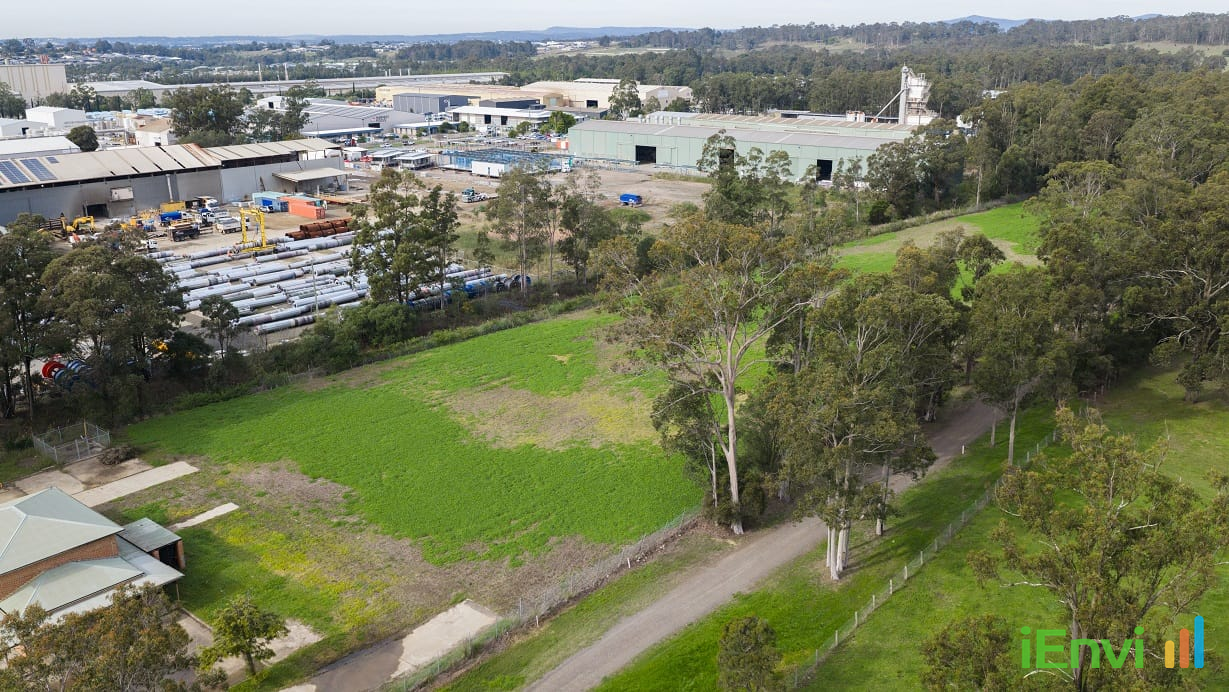
Overview of the Truegain Rutherford Waste Oil Facility Remediation
The NSW Government has officially completed the $19 million, two-stage remediation of the former Truegain waste oil processing facility in Rutherford, marking the end of a decade-long environmental liability that blighted the Maitland community and surrounding Hunter Valley region. The project, delivered by Property and Development NSW’s Waste Assets Management Corporation (WAMC), is one of the largest state-led contaminated land remediation programmes completed in regional New South Wales in recent years. The site has now been validated as safe and suitable for future commercial or industrial redevelopment, resolving what had become one of the most severely contaminated industrial properties in the Hunter region.
The Truegain facility, a 1.2-hectare property, was abandoned in 2016 after the operator lost its trade waste permit, had its Environment Protection Licence (EPL) suspended by the NSW EPA, and subsequently entered liquidation. With no solvent party able or willing to remediate the site, the financial and legal burden fell to the state. The scale of contamination left behind, including thousands of tonnes of toxic liquid waste, hundreds of storage vessels, and deeply contaminated soils, made this a genuinely high-risk and complex legacy liability requiring careful project staging and regulatory oversight.
For contaminated land practitioners, environmental auditors, site developers, and in-house counsel operating across NSW and other Australian jurisdictions, this project offers a substantive and well-documented case study. It illustrates how staged remediation programmes can successfully resolve even extreme legacy contamination, and it reinforces the practical application of key regulatory frameworks including the National Environment Protection (Assessment of Site Contamination) Measure 2013 (NEPM 2013), the NSW Protection of the Environment Operations (Underground Petroleum Storage Systems) Regulation 2019, and the NSW Contaminated Land Management Act 1997 (CLM Act).
Key details of the Truegain Rutherford remediation project
The remediation was executed in two distinct and sequential stages, each targeting different contamination types and site infrastructure. Stage 1, completed in late 2023, focused on the removal of liquid and semi-liquid hazardous wastes and the demolition of above-ground infrastructure. This stage involved the removal of more than 11,000 tonnes of toxic industrial liquid waste and sludge that had accumulated from years of waste oil processing operations. Critically, it also included the demolition and removal of more than 400 storage tanks and intermediate bulk containers (IBCs) that had been left onsite following the operator’s abandonment. The sheer volume of liquid waste and the number of individual storage vessels involved placed this Stage 1 programme among the most logistically complex industrial clean-ups conducted in regional NSW.
Stage 2, completed in late July 2026, addressed the residual solid-phase contamination and critical underground infrastructure. Approximately 15,000 tonnes of heavily contaminated soil and hydrocarbon-impacted concrete slabs were excavated and disposed of in accordance with the NSW EPA Waste Classification Guidelines. This required systematic waste characterisation sampling to assign appropriate waste categories and direct material to appropriately licensed facilities. In parallel, a 50,000-litre underground storage tank (UST) was decommissioned and physically removed from the site. The decommissioning of the UST was governed by the NSW Protection of the Environment Operations (Underground Petroleum Storage Systems) Regulation 2019, which mandates specific protocols for tank emptying, cleaning, purging of vapours, and subsequent validation of the excavated void through soil and groundwater sampling to confirm the absence of residual petroleum hydrocarbons.
Validation of the site following Stage 2 works was conducted against the NEPM 2013 framework, specifically targeting Health Screening Levels (HSLs) and Ecological Screening Levels (ESLs) applicable to commercial and industrial land use, designated as Setting D under the NEPM 2013 schedules. The NEPM 2013 Health Screening Levels for Setting D reflect land uses where less soil contact is expected compared to residential settings, but where groundwater and ecological receptor protection remains a critical component of the assessment. Residual contaminants assessed would have included Total Petroleum Hydrocarbons (TPH) fractionated across the carbon ranges, benzene, toluene, ethylbenzene, and xylenes (BTEX), and potentially heavy metals associated with waste oil processing, including lead, zinc, and barium. The successful completion of validation indicates that residual concentrations across the site now fall within acceptable thresholds for commercial and industrial end use.
The total project cost of $19 million reflects the genuine financial exposure that legacy contamination from defaulting industrial operators can create for the state. Under the NSW CLM Act 1997, the EPA has authority to issue Remediation Orders and to recover costs from responsible parties, but where those parties are insolvent or otherwise unable to meet their obligations, the state must absorb the remediation liability or allow contamination to remain and migrate. The WAMC was the appropriate vehicle for state intervention given its mandate to manage problematic waste-related assets, and this project confirms the scale of investment that can be required when private operator accountability fails entirely.
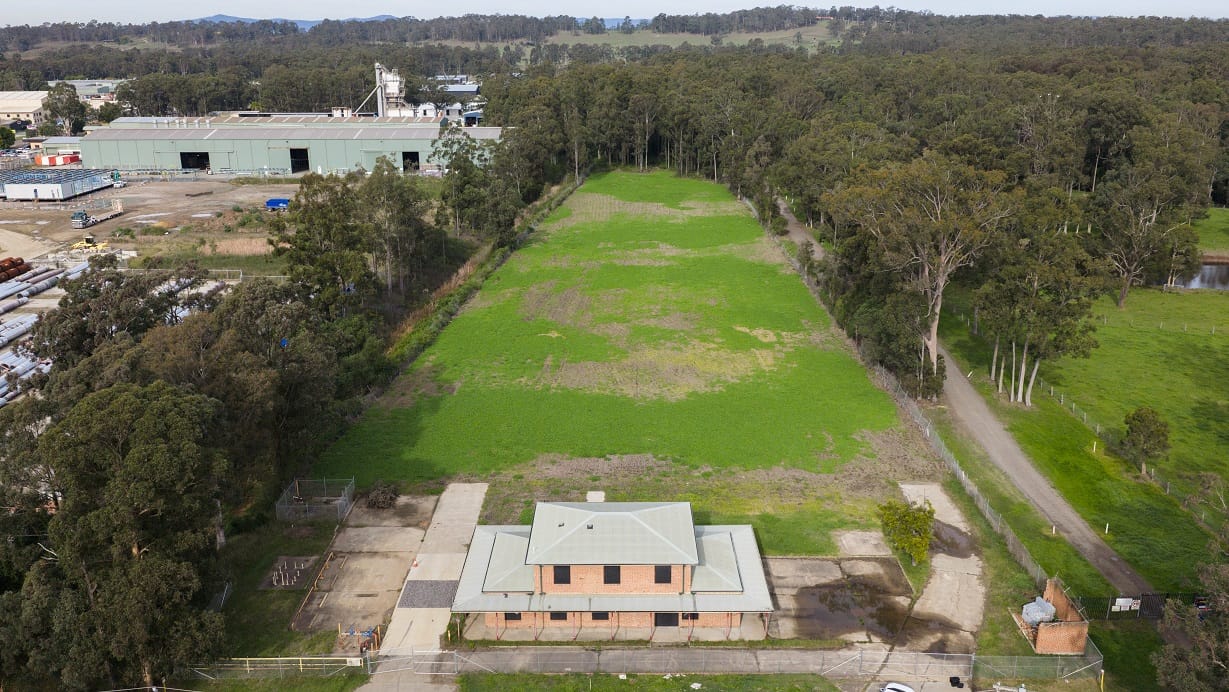
Australian context: legacy industrial contamination, WAMC intervention, and the NEPM 2013 validation pathway
The Truegain remediation sits within a broader national pattern of legacy industrial contamination cases where private operator insolvency has transferred environmental liability to state or territory governments. Across Australia, contaminated sites left behind by insolvent operators represent a persistent challenge for regulators, with remediation costs frequently exceeding available cost-recovery mechanisms. The Truegain project demonstrates that state-led intervention, when structured through an appropriately mandated body such as WAMC and delivered against a clearly defined regulatory validation framework, can achieve successful outcomes even for sites carrying extreme contamination loads. The NEPM 2013 validation pathway, with its risk-based screening levels calibrated to intended land use, provides a nationally consistent and defensible basis for confirming remediation completion — a model that continues to underpin contaminated land practice across all Australian jurisdictions.
References and related sources
- Primary source: newy.com.au
- newcastleweekly.com.au
- NEPM Assessment of Site Contamination
How iEnvi can help
iEnvi provides specialist consulting services relevant to this topic. Our team includes CEnvP Site Contamination Specialists with experience across contaminated land, groundwater, remediation, ecology, and regulatory compliance.
- iEnvi remediation services
- iEnvi groundwater services
- iEnvi expert services and independent review services
This is an iEnvi Machete news summary. Prepared by iEnvi to summarise the source article for contaminated land, groundwater, remediation, approvals and site risk professionals.
Published: 28 Jul 2026
Need advice on this topic? Speak to an iEnvi expert at info@ienvi.com.au or 1300 043 684, or contact us online.
Need advice on this issue? iEnvi provides practical, senior-led environmental consulting across contaminated land, remediation, ecology and environmental risk.
UPSS and petroleum site services Team credentials Contaminated land services Remediation services Talk to iEnvi