

Overview
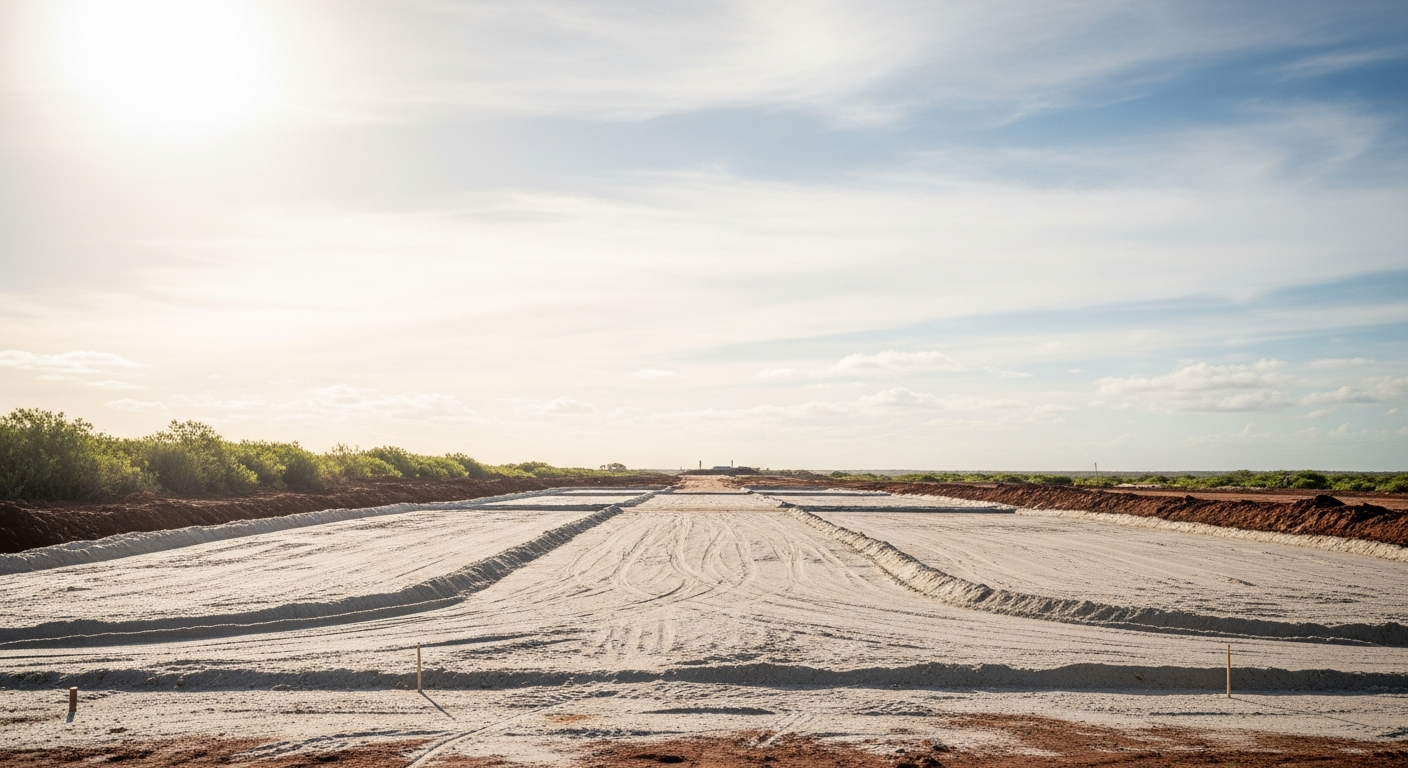
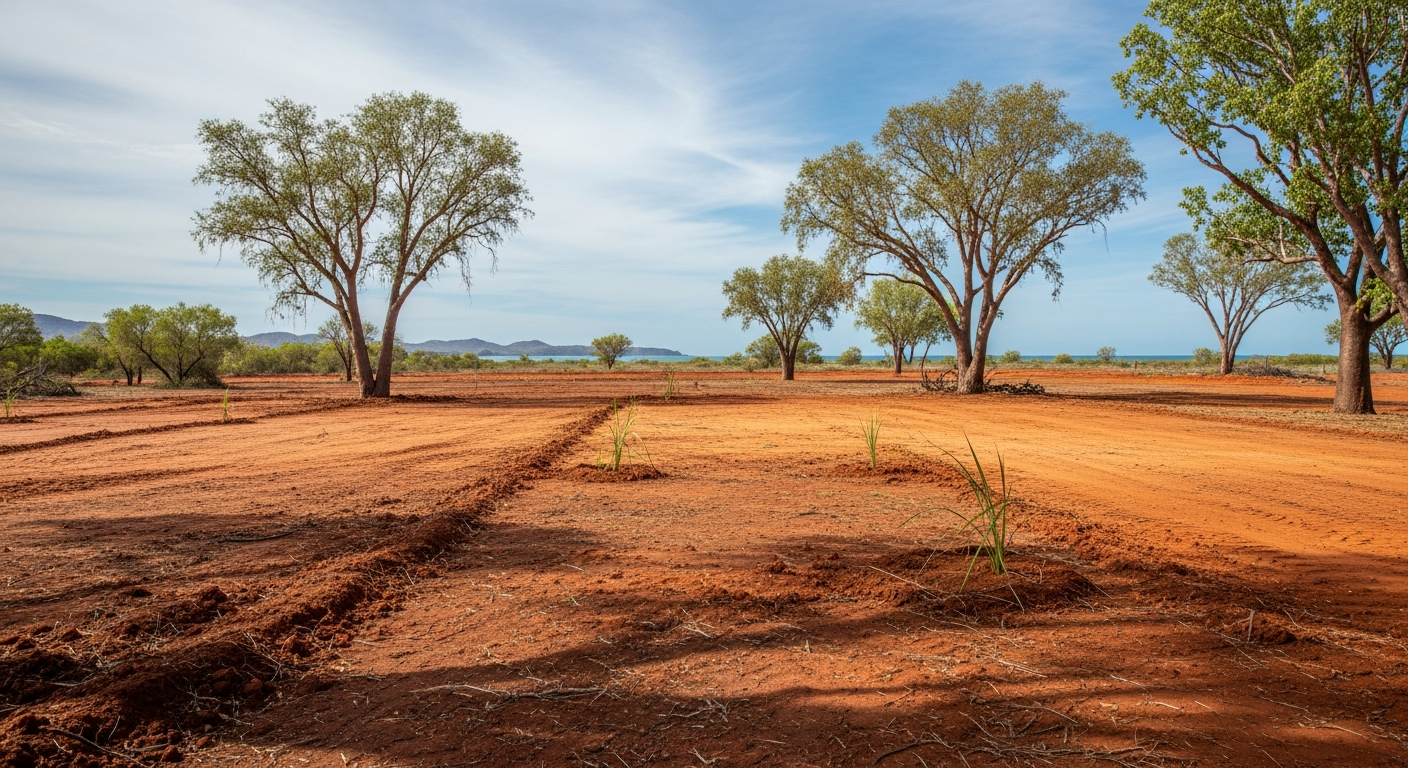
The Shire of Broome announced on 24 July 2024 the successful completion of environmental remediation works at the BRAC1 site, a key milestone that clears the way for construction of the new Broome Youth Precinct. The remediation, executed by a licensed contractor under close regulatory oversight from the Western Australian Department of Water and Environmental Regulation (DWER), the WA Department of Health (DoH), and WorkSafe WA, represents the conversion of a legacy contaminated land liability into a safe community asset for one of Australia’s most geographically isolated regional centres. The project is now entering its next phase, with construction of the youth precinct able to proceed following site validation.
For environmental consultants, local government authorities, and land developers, the Broome BRAC1 project is a substantive case study in managing the full lifecycle of a contaminated public-use site from regulatory engagement through to validated remediation outcomes. The discovery of unexpected legacy asbestos contamination during active excavation, the need for multi-agency regulatory alignment across three separate WA government bodies, and the use of municipal waste facility revenues to fund unanticipated cost overruns each represent challenges that are far more common in Australian remediation practice than project budgets and programmes typically acknowledge. The project’s resolution of all three without halting construction or imposing a ratepayer levy makes it a noteworthy precedent.
A secondary finding of historical interest accompanied the remediation work. Contractors excavated three relic aircraft engines and an associated trolley from the BRAC1 site. These artefacts, likely dating to the Second World War given Broome’s strategic significance as an aviation hub during that period, have since been donated to local historical preservation. Their discovery adds an important dimension to the site’s characterisation history and serves as a reminder that legacy fill and historical land use investigations in regional areas must account for wartime and post-war infrastructure that may not appear in available documentary records.
Key details of the BRAC1 remediation and unexpected asbestos contamination
The BRAC1 remediation was conducted under the regulatory framework of the Contaminated Sites Act 2003 (WA) and the Contaminated Sites Regulations 2006 (WA), which govern the assessment, remediation, and reporting of contaminated land in Western Australia. DWER administers this legislation and holds responsibility for issuing site classification decisions and approving remediation action plans for notifiable sites. For public-use developments of this nature, particularly those involving sensitive receptors such as children and young people, the validation criteria embedded in a Remediation Action Plan (RAP) must align with the Health Investigation Levels set out in Schedule B1 of the National Environment Protection (Assessment of Site Contamination) Measure 2013 (NEPM 2013, as amended). Schedule B1 provides the investigation-level benchmarks for soil and groundwater that inform whether a site is suitable for a given land use classification, with recreational and open-space uses typically requiring more conservative health-based thresholds than industrial land uses.
The discovery of unexpected legacy asbestos during the excavation phase introduced a significant complication to the project’s scope, cost, and regulatory obligations. Under Chapter 8 of the Work Health and Safety (General) Regulations 2022 (WA), the management of asbestos encountered during excavation or demolition works triggers a specific set of duties, including identification, risk assessment, the use of licensed asbestos removalists for friable asbestos, and the preparation and maintenance of an asbestos register and removal control plan. WorkSafe WA’s involvement in this project reflects the occupational health and safety dimensions of in-situ asbestos discovery, which run parallel to, but are legally distinct from, the environmental contamination obligations managed by DWER. The concurrent oversight by DoH further confirms that the site’s end use as a youth precinct placed it firmly in the category of sensitive receptor land use, where validated health outcomes must be demonstrated to the satisfaction of the public health authority as well as the environmental regulator.
Waste classification and disposal of asbestos-containing material (ACM) and other contaminated soils excavated during the works would have been subject to DWER’s Waste Classification System, administered under the Waste Avoidance and Resource Recovery Act 2007 (WA). In Western Australia, the classification of excavated contaminated soils for off-site disposal is not governed solely by the NEPM 2013 but requires assessment against DWER’s own waste classification guidance, which determines whether material is categorised as inert, putrescible, or prescribed industrial waste and directs which licensed facilities can legally receive it. Asbestos-containing soils carry a specific classification and must be disposed of at a facility licensed to receive that waste type, with documentation requirements that form part of the validation evidence submitted to DWER at project close-out.
The financial mechanism used to absorb the remediation cost overruns is a notable element of the project’s delivery model. The Shire of Broome funded the unexpected expenditure through surplus revenue generated by commercial and gate transactions at its own Waste Management Facility. This approach did not require a supplementary rates levy or a deferral of the capital programme. The precise quantum of the cost overrun has not been disclosed publicly, but the Shire’s ability to draw on waste facility revenues demonstrates that waste management operations, when run with sufficient commercial discipline, can provide local governments with a degree of financial resilience when remediation projects encounter unforeseen ground conditions.
References and related sources
- Primary source: www.broome.wa.gov.au
- broome.wa.gov.au
- kalamunda.wa.gov.au
- www.wa.gov.au
- NEPM Assessment of Site Contamination
How iEnvi can help
iEnvi provides specialist consulting services relevant to this topic. Our team includes CEnvP Site Contamination Specialists with experience across contaminated land, groundwater, remediation, ecology, and regulatory compliance.
- iEnvi contaminated land services
- iEnvi remediation services
- iEnvi asbestos services
- iEnvi expert services and independent review services
This is an iEnvi Machete news summary. Prepared by iEnvi to summarise the source article for contaminated land, groundwater, remediation, approvals and site risk professionals.
Published: 28 Jul 2026
Need advice on this topic? Speak to an iEnvi expert at info@ienvi.com.au or 1300 043 684, or contact us online.
Need advice on this issue? iEnvi provides practical, senior-led environmental consulting across contaminated land, remediation, ecology and environmental risk.
Team credentials Contaminated land services Remediation services Groundwater services Talk to iEnvi