

New DCCEEW Bioregional Planning Framework Explained
On 9 April 2026, the Department of Climate Change, Energy, the Environment and Water (DCCEEW) published its updated Bioregional Planning framework, marking a key implementation milestone under the Environment Protection Reform Bills passed in late 2025. The updated guidance formally sets out how Commonwealth environmental approvals will transition away from the longstanding project-by-project referral model under the Environment Protection and Biodiversity Conservation Act 1999 (Cth) (EPBC Act) toward a landscape-scale, regional assessment structure. For environmental practitioners, developers, infrastructure planners, and legal advisers operating across Australia, this represents the most substantive structural reform to Commonwealth environmental assessment in more than two decades.
The core mechanism introduced by the framework is the creation of legally enforceable bioregional zones. These zones divide mapped regions into distinct categories: development zones, where specified project types including renewable energy, residential housing, and critical minerals extraction can proceed rapidly without triggering individual EPBC Act referrals; and conservation zones, where development actions are strictly prohibited to protect high-value biodiversity. Critically, the framework confirms that existing bioregional plans will be comprehensively updated to align with the new National Environmental Standards, meaning historical mapping can no longer be relied upon as a baseline for project planning or due diligence purposes.
Pilot programmes are already advancing under the framework. The Queensland Government is preparing for public consultation on draft bioregional plans later in 2026, which will serve as an early test case for how the zoning system interacts with state-level planning instruments and approval pathways. For environmental planners, ecologists, lawyers, and their clients, the implications are immediate and wide-ranging. The advisory function in project development has fundamentally shifted: regional biodiversity mapping must now be interrogated during the earliest feasibility stages, well before capital commitments are made or project designs are finalised.
Key Details of the DCCEEW Bioregional Planning Framework and National Environmental Standards
The updated Bioregional Planning framework is a direct implementation instrument for the Environment Protection Reform Bills 2025, which collectively form the legislative backbone of Australia’s Nature Positive reform agenda. The Bills reformed the EPBC Act to enable landscape-scale planning as an alternative to the project-by-project referral and assessment process that has defined Commonwealth environmental regulation since 1999. Under the reformed architecture, bioregional plans are not advisory documents. They are legally enforceable instruments that define what can and cannot occur within a mapped region, and they do so with reference to the National Environmental Standards that now govern the acceptable conditions for approval.
The zoning structure is binary and binding. Development zones identify areas where specified project types can proceed with a streamlined or expedited approval pathway, effectively pre-clearing the regional biodiversity assessment burden for eligible project categories. Conservation zones, by contrast, carry a hard prohibition. There is no mechanism within the framework to negotiate offsets, vary conditions, or seek ministerial discretion to progress a project located within a designated conservation zone. This is a categorical departure from the previous model, under which proponents could, in principle, propose offset packages to compensate for impacts on matters of national environmental significance (MNES), regardless of a project’s location within the broader landscape.
All existing bioregional plans will be updated to align with the new National Environmental Standards. The framework does not provide a transitional grace period that would allow reliance on pre-reform mapping for active projects or pending referrals. This has immediate implications for projects in the feasibility or pre-planning phase that were scoped against older biodiversity data or zoning assumptions. The Queensland pilot is particularly significant because Queensland contains some of Australia’s most ecologically complex and developmentally active regions, including the Cape York Peninsula, the wet tropics, and significant critical minerals provinces in North Queensland. The outcomes of the Queensland public consultation process will likely inform how DCCEEW and other state governments calibrate the interaction between bioregional zones and existing state planning scheme provisions.
The framework also signals a change in the role of site-specific ecological surveys. Under the previous model, flora and fauna assessments conducted at the project site were often the primary evidentiary basis for an EPBC Act referral and subsequent assessment. Under the bioregional model, site-level surveys remain relevant, but they are subordinate to the regional mapping. A favourable site-level survey result cannot override a conservation zone designation. Conversely, a project located within a development zone benefits from the regional pre-assessment, reducing the evidentiary burden that proponents would otherwise need to discharge at the project level. This has direct consequences for how ecological surveys are scoped, timed, and weighted in project feasibility assessments.
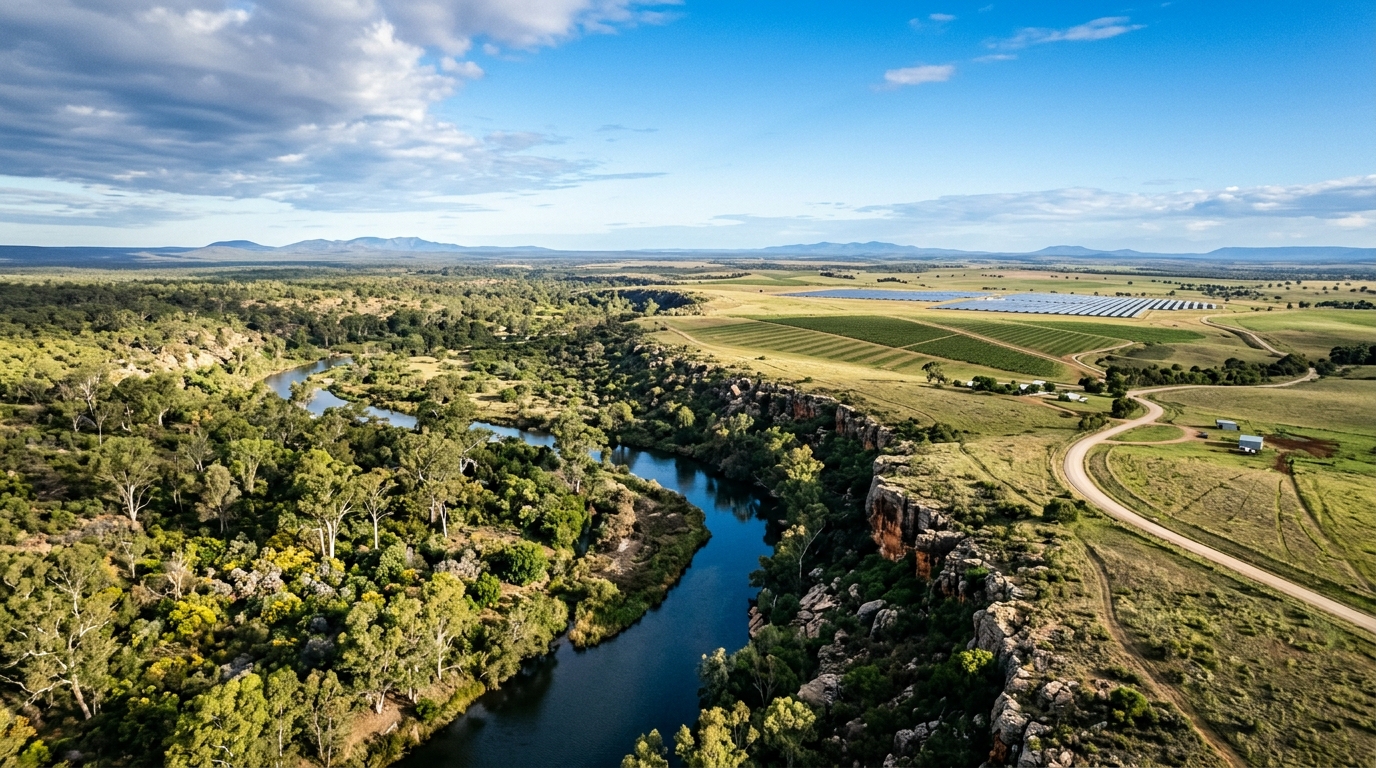
Australian Context: How the Bioregional Framework Interacts with Existing EPBC Act Referral Obligations and State Planning Instruments
Australia’s current EPBC Act framework requires proponents to self-refer actions that are likely to have a significant impact on a matter of national environmental significance. These MNES include threatened species and ecological communities, migratory species, Ramsar wetlands, world heritage properties, national heritage places, and the Commonwealth marine environment.
References and related sources
- Primary source: www.dcceew.gov.au
- EPBC Act
How iEnvi can help
iEnvi provides specialist consulting services relevant to this topic. Our team includes CEnvP Site Contamination Specialists with experience across contaminated land, groundwater, remediation, ecology, and regulatory compliance.
- iEnvi due diligence services
- iEnvi remediation and validation services
- iEnvi expert services and independent review services
This is an iEnvi Machete news summary. Prepared by iEnvi to summarise the source article for contaminated land, groundwater, remediation, approvals and site risk professionals.
Published: 14 Apr 2026
Need advice on this topic? Speak to an iEnvi expert at info@ienvi.com.au or 1300 043 684, or contact us online.
Need advice on this issue? iEnvi provides practical, senior-led environmental consulting across contaminated land, remediation, ecology and environmental risk.
Team credentials Flora and fauna assessment Contaminated land services Remediation services Talk to iEnvi