
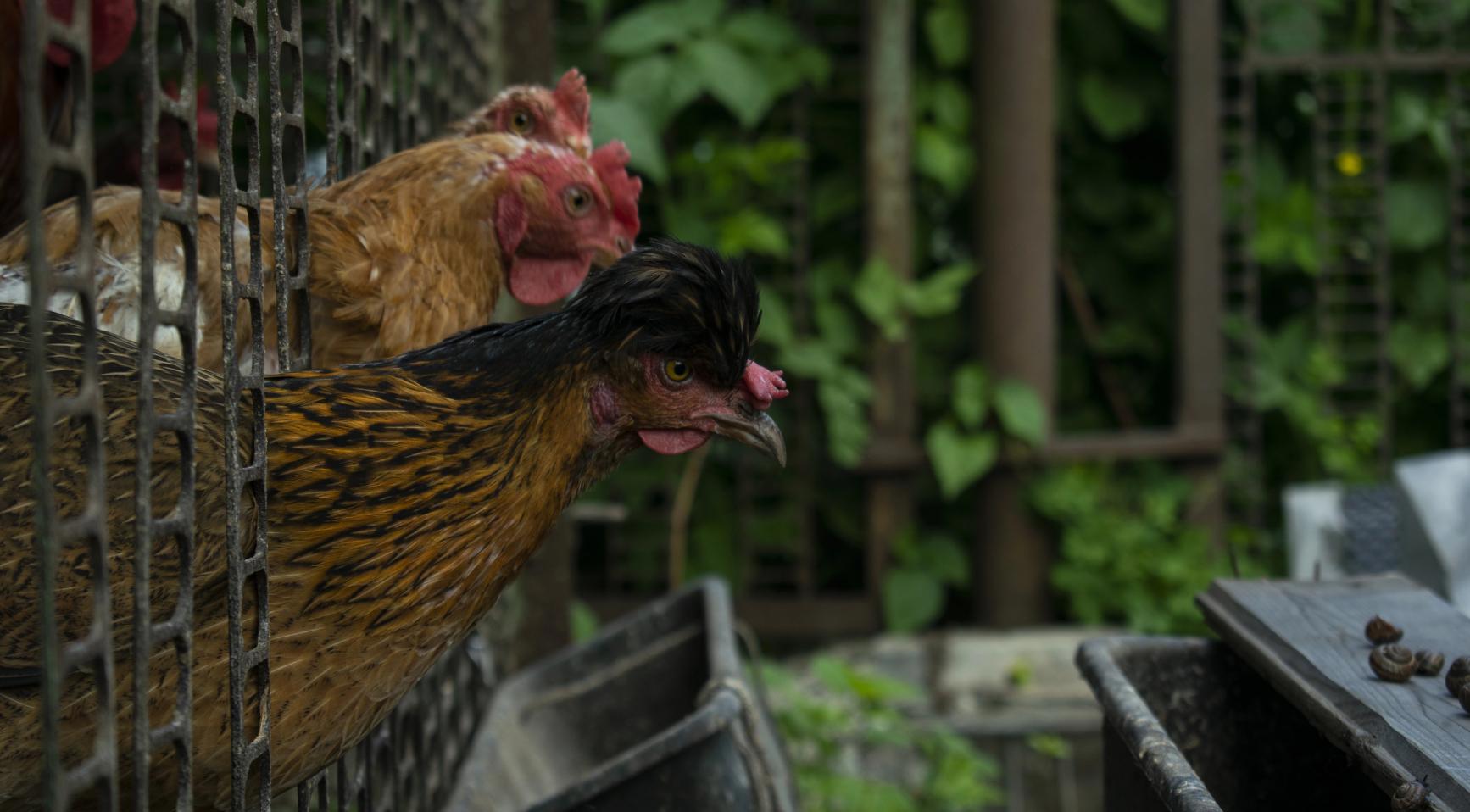
How PFAS Bioaccumulates in Backyard Eggs
In March 2026, the Dutch National Institute for Public Health and the Environment (RIVM) released a comprehensive study confirming that backyard chicken eggs across the Netherlands contain elevated concentrations of per- and polyfluoroalkyl substances (PFAS). The critical breakthrough of this research lies in the identification of soil-dwelling organisms, specifically earthworms, as the primary bioaccumulation vector carrying these synthetic chemicals from the soil matrix into the poultry food chain. This finding shifts the focus of environmental risk assessments away from standard primary exposure pathways, such as contaminated drinking water or commercial poultry feed, which the RIVM study confirmed were not significant contributors to the high PFAS levels observed in the analysed eggs.
For Australian environmental consultants, property developers, local government planners, and environmental lawyers, this research has immediate, far-reaching implications. It demonstrates that standard residential land-use assumptions, which often overlook secondary exposure pathways, may be insufficient to protect human health. As peri-urban developments continue to expand into historical agricultural and industrial zones across Australia, the popularity of backyard food production, including hobby poultry, introduces a highly efficient exposure pathway that can bypass traditional site management controls and default soil screening criteria.
This development requires a sophisticated understanding of how persistent organic pollutants migrate through terrestrial food webs. Site investigations that rely solely on comparing soil and groundwater concentrations to default guideline values may inadvertently overlook significant risks to human health. By confirming that chickens with greater outdoor foraging space produced eggs with the highest PFAS concentrations, the RIVM study highlights the need for a more dynamic, pathway-based approach to contaminated land assessment and site characterisation in Australia.
Soil-Invertebrate Pathways in PFAS Exposure
The RIVM study represents one of the most comprehensive investigations into diffuse PFAS contamination in domestic food production to date. Researchers collected and analysed a total of 801 backyard chicken eggs from various locations across the Netherlands. To identify the exact transmission pathways, the scientific team systematically sampled and tested multiple environmental media within the chickens’ habitats. This included commercial chicken feed, drinking water, straw, coop construction materials, surface soil, and local soil invertebrates, with a particular focus on earthworms and other soil-dwelling organisms.
The laboratory analysis revealed a direct correlation between the PFAS profiles found in soil-dwelling worms and those detected in the poultry eggs. While PFAS concentrations in the soil, drinking water, straw, and coop materials were comparatively low, the earthworms exhibited significant bioaccumulation of these substances. Because chickens are active foragers that readily consume earthworms and other invertebrates, these organisms act as highly concentrated biological delivery systems. This pathway explains why hens allowed to roam freely across larger outdoor areas, where they had greater access to soil invertebrates, produced eggs with much higher PFAS concentrations than those confined to smaller or paved runs.
A technically challenging finding from the RIVM research is the high degree of temporal variability in PFAS levels within individual eggs. Testing revealed that contamination levels fluctuated significantly from day to day, even when collected from the same hen under identical environmental conditions. This variability means that single-egg sampling or limited snapshot testing is statistically unreliable for profiling human health risks or establishing long-term exposure trends. To obtain a scientifically defensible characterisation of risk, practitioners must utilise multi-egg composite sampling or sequential testing protocols over extended periods.
The study also highlighted that the physical and chemical properties of different PFAS compounds influence their bioaccumulation behaviour in soil systems. Long-chain perfluorooctane sulfonate (PFOS) and perfluorooctanoic acid (PFOA) have a high affinity for organic matter and proteins, making them highly bioaccumulative in soil-dwelling invertebrates. Because earthworms continuously ingest soil and organic debris, they accumulate these compounds in their tissues at concentrations several times higher than the surrounding soil matrix. When poultry ingest these worms, the contaminants are absorbed and preferentially partition into the lipid-rich and protein-rich yolk of the eggs, leading to biomagnification.
Implications for Australian Contaminated Land Guidelines
In Australia, the assessment and management of contaminated sites are governed by the National Environment Protection (Assessment of Site Contamination) Measure 1999, as amended in 2013 (NEPM 2013), and the PFAS National Environmental Management Plan (PFAS NEMP). Schedule B4 of the NEPM 2013 outlines the development of a Conceptual Site Model (CSM) as the foundation of any rigorous contaminated land assessment. A critical requirement of the CSM is the identification of all complete and potentially complete exposure pathways. However, in standard practice, the secondary pathway of soil to soil-invertebrate to poultry to human egg consumption is frequently omitted or undervalued, with consultants focusing primarily on direct soil ingestion and groundwater consumption.
The default Health Investigation Levels (HILs) for residential land use with garden or accessible soil (HIL-A) assume a certain level of direct soil ingestion by children and adults, along with limited homegrown produce consumption. However, these default calculations do not account for the extreme bioaccumulation and biomagnification of contaminants through terrestrial food chains.
References and related sources
- Primary source: nltimes.nl
- PFAS National Environmental Management Plan (NEMP)
- NEPM Assessment of Site Contamination
- Australian Drinking Water Guidelines
How iEnvi can help
iEnvi provides specialist consulting services relevant to this topic. Our team includes CEnvP Site Contamination Specialists with experience across contaminated land, groundwater, remediation, ecology, and regulatory compliance.
- iEnvi groundwater services
- iEnvi remediation and validation services
- iEnvi expert services and independent review services
This is an iEnvi Machete news summary. Prepared by iEnvi to summarise the source article for contaminated land, groundwater, remediation, approvals and site risk professionals.
Published: 17 Jun 2026
Need advice on this topic? Speak to an iEnvi expert at info@ienvi.com.au or 1300 043 684, or contact us online.
Need advice on this issue? iEnvi provides practical, senior-led environmental consulting across contaminated land, remediation, ecology and environmental risk.
Team credentials Environmental management plans Contaminated land advice Remediation services Talk to iEnvi