
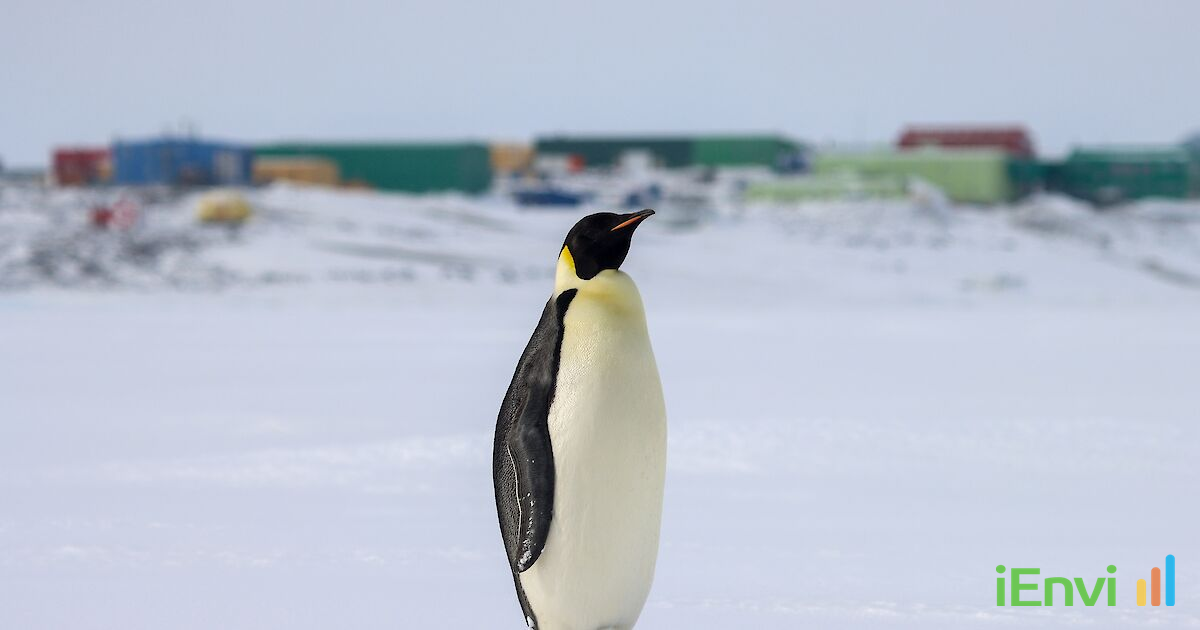
Environmental Approvals for Davis Station Upgrades
On 21 July 2026, the Australian Antarctic Division (AAD) announced that formal environmental authorisation had been granted for the Davis Critical Infrastructure Works (DCIW), the first major package of construction activity under the broader Antarctic Infrastructure Renewal Program (AIRP). The approval clears the way for on-station works to commence in November 2026 at Davis research station, one of three permanent Australian stations on the Antarctic continent. This milestone is significant not only for Australia’s sovereign presence in Antarctica but for the environmental and engineering disciplines that had to satisfy some of the most stringent regulatory thresholds applicable to any infrastructure project in the world.
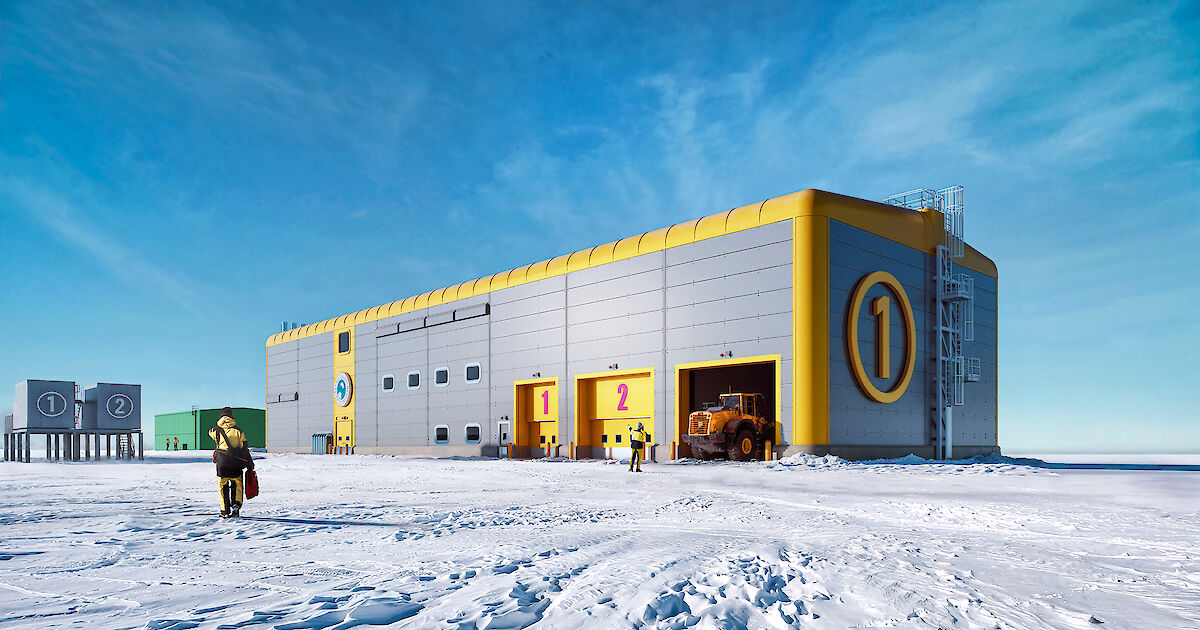
The project is being designed and delivered by the Antarctic Infrastructure Renewal (AIR) Alliance, a collaborative arrangement between the AAD, Bouygues Construction Australia, Mott MacDonald Australia, and Stantec Australia. The first stage of works will replace end-of-life water, power, and mechanical services infrastructure at Davis, beginning with a new seawater intake system and a reverse osmosis water production plant. Critically, the approval also mandates comprehensive environmental remediation of legacy contamination at the station and requires that all waste materials generated during construction be returned to Australia for recycling or lawful disposal, effectively closing the loop on environmental impact in a jurisdiction where there is no local waste management infrastructure whatsoever.
For environmental practitioners advising on complex infrastructure projects, this approval is worth examining carefully. It demonstrates how rigorous early-phase environmental planning, science-led ecological assessment, and collaborative project delivery can navigate dual regulatory obligations under both domestic Commonwealth legislation and binding international treaty frameworks. The Davis station approval also reinforces a direction of travel in Australian environmental regulation more broadly: legacy contamination cannot be left in place simply because remediation is difficult, and waste closure obligations must be designed into project scope from the outset, not treated as a post-construction afterthought.
Key details of the Davis Critical Infrastructure Works approval
The environmental authorisation for the DCIW was issued under two distinct but complementary legal frameworks. Under domestic law, the project required assessment under the Environment Protection and Biodiversity Conservation Act 1999 (Cth) (EPBC Act), which governs actions that may have a significant impact on matters of national environmental significance. Concurrently, the project was assessed under the Antarctic Treaty (Environment Protection) Act 1980 (Cth) (ATEP Act), specifically subsection 12N(2), which implements Australia’s obligations under the Protocol on Environmental Protection to the Antarctic Treaty, commonly known as the Madrid Protocol. The requirement to satisfy both frameworks simultaneously is a defining feature of any substantial infrastructure project on Australian Antarctic Territory, and it substantially elevates the complexity and lead time of the environmental assessment process.
The Madrid Protocol’s procedural requirements obliged the project proponent to complete an Initial Environmental Evaluation (IEE) before works could proceed. An IEE is the intermediate tier of environmental assessment under the Protocol’s three-tiered system, sitting above a Preliminary Assessment but below the more comprehensive Comprehensive Environmental Evaluation (CEE). The IEE process requires the proponent to identify potential environmental impacts, assess their significance against defined criteria, and demonstrate that the proposed activity is designed to minimise or avoid those impacts. For the DCIW, this meant detailed ecological assessment of the marine environment around Davis station, given that the first construction package includes a new seawater intake system with direct physical interaction with the nearshore marine zone, which supports seals, seabirds, and invertebrate communities of conservation significance under the Protocol.
The legacy contamination remediation component of the approval is particularly notable. Davis station, like all long-established Antarctic research facilities, carries a burden of historical contamination from fuel spills, waste disposal practices, and the use of materials that predate modern environmental standards. The authorisation mandates that this contamination be addressed as part of the DCIW scope, not deferred to a future programme. The requirement that all waste materials be physically returned to Australia for recycling or disposal reflects both the Protocol’s prohibition on waste disposal in Antarctica and the practical reality that there are no licensed treatment or landfill facilities within Australian Antarctic Territory. Every tonne of contaminated soil, demolition debris, and construction waste must be containerised, shipped north across the Southern Ocean, and processed through Australian waste management facilities. The logistical and cost implications of this constraint are substantial and must be factored into project budgets from the earliest planning stages.
The AIR Alliance structure itself merits attention as a project delivery model. By integrating the AAD’s scientific and operational expertise with Bouygues Construction Australia’s construction capability, Mott MacDonald Australia’s engineering consultancy, and Stantec Australia’s environmental and design services, the Alliance model allows environmental risk management to be embedded in engineering decision-making rather than applied as a compliance overlay after design is complete. This integration of environmental assessment into the design process is a direct response to the dual regulatory obligations the project faces, and it offers a replicable model for other major infrastructure proposals where environmental complexity and construction risk must be managed together from the outset.
References and related sources
- Primary source: www.antarctica.gov.au
- antarctica.gov.au
- antarctica.gov.au
How iEnvi can help
iEnvi provides specialist consulting services relevant to this topic. Our team includes CEnvP Site Contamination Specialists with experience across contaminated land, groundwater, remediation, ecology, and regulatory compliance.
- iEnvi remediation services
- iEnvi contaminated land investigation services
- iEnvi expert services and independent review services
This is an iEnvi Machete news summary. Prepared by iEnvi to summarise the source article for contaminated land, groundwater, remediation, approvals and site risk professionals.
Published: 26 Jul 2026
Need advice on this topic? Speak to an iEnvi expert at info@ienvi.com.au or 1300 043 684, or contact us online.
Need advice on this issue? iEnvi provides practical, senior-led environmental consulting across contaminated land, remediation, ecology and environmental risk.
Team credentials Contaminated land services Remediation services Groundwater services Talk to iEnvi